
Many homeowners believe all drainage systems separate sewage from rainwater, but that’s not always true. Combined drainage systems carry both through the same pipes, a common setup in older areas like Poole. Understanding how these systems work helps you prevent blockages, avoid costly repairs, and protect local waterways. This guide explains what combined drainage systems are, their risks, maintenance responsibilities, and practical solutions tailored for Poole properties.
Table of Contents
- What Is A Combined Drainage System?
- Challenges And Risks With Combined Drainage Systems
- Homeowner Responsibilities And Maintenance Tips For Poole Properties
- Practical Solutions And Innovations To Reduce Combined Drainage Problems
- Find Professional Drainage Solutions In Poole
- What Is A Combined Drainage System? — Frequently Asked Questions
Key takeaways
| Point | Details |
|---|---|
| Combined systems carry both types of waste | Foul sewage and surface water travel through a single pipe network, typical in older Poole neighbourhoods. |
| Heavy rain causes overflows | System overloads lead to Combined Sewer Overflows discharging untreated effluent into rivers and streams. |
| Homeowners maintain private drains | You’re responsible for drains on your property; Wessex Water manages public sewers affecting multiple homes. |
| Green solutions reduce overflow risks | Rain gardens and permeable paving decrease surface water volume entering combined systems. |
| Regular maintenance prevents blockages | Mindful usage and professional inspections keep combined drainage flowing and reduce environmental hazards. |
What is a combined drainage system?
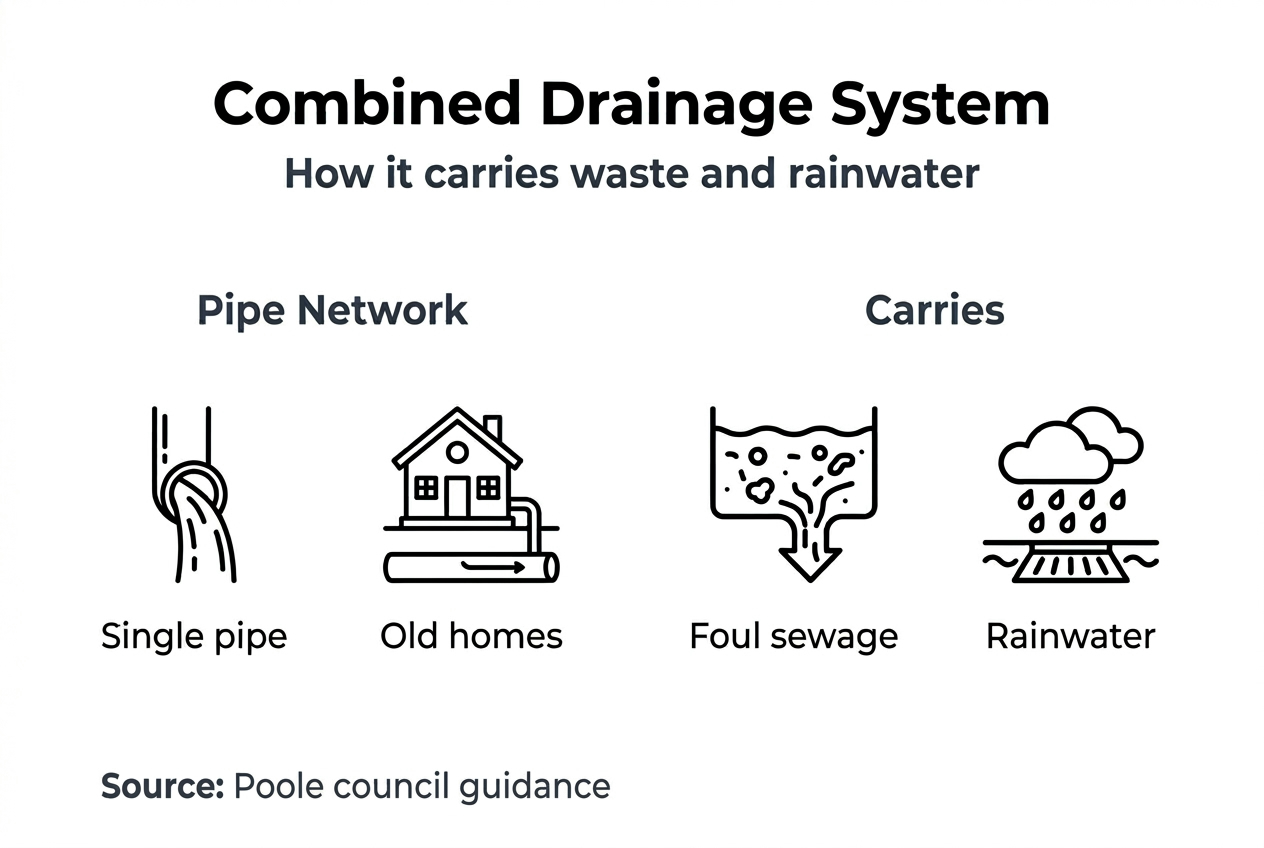
A combined drainage system carries both foul sewage and surface water in a single pipe network. You’ll find this setup throughout Poole’s older neighbourhoods, installed decades ago when simpler infrastructure made economic sense. When you flush the toilet or rainwater runs off your roof, everything flows through the same underground pipes to treatment facilities.
These systems differ significantly from modern separate drainage. Separate systems use distinct pipes for sewage and stormwater, allowing rainwater to discharge directly into waterways without treatment. Combined systems were initially cheaper to install, requiring only one set of pipes rather than two parallel networks.
The key components include:
- Underground pipes ranging from 100mm to several metres in diameter
- Manholes providing access points for inspection and maintenance
- Discharge points connecting to treatment works or overflow locations
- Pumping stations moving wastewater through low-lying areas
Many Poole properties built before the 1970s rely on combined drainage. The system made perfect sense when rainfall patterns were predictable and development density lower. Modern challenges arise when heavy downpours overwhelm capacity, leading to problems we’ll explore next. Understanding your drainage system type helps you maintain it properly.
Challenges and risks with combined drainage systems
Combined Sewer Overflows pose the biggest threat to these systems. When heavy rainfall causes combined sewer overflows, treatment plants cannot process the sudden volume. The system releases excess flow directly into rivers and coastal waters to prevent sewage backing up into homes.
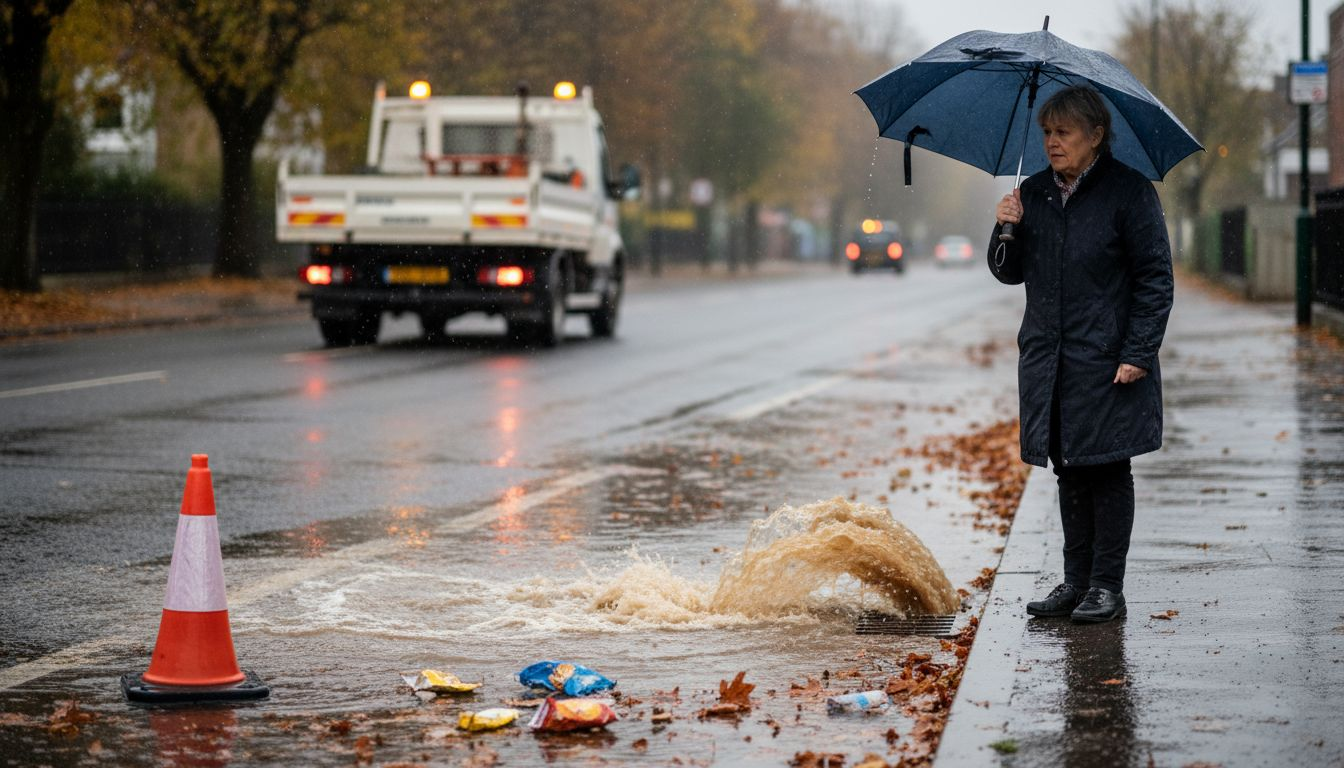
These overflow events carry serious consequences. Untreated sewage mixes with stormwater, polluting Poole Harbour and local streams. CSOs create water pollution and pose health hazards when swimming or fishing in affected areas. The Environment Agency monitors overflow frequency, with some Poole discharge points activating dozens of times annually.
Blockages amplify these risks significantly. When pipes clog with fat, wipes, or tree roots, capacity drops further. Heavy rain then triggers overflows more quickly. Common blockage causes include:
- Cooking fat solidifying inside pipes
- Wet wipes marketed as flushable but not breaking down
- Tree root intrusion through pipe joints
- Collapsed sections in aging Victorian-era pipes
- Silt accumulation from road runoff
Pro Tip: Never pour cooking oil down sinks. Let it cool, then bin it. A single litre of oil can contaminate one million litres of water and contributes directly to the fatbergs that trigger overflows.
Environmental damage extends beyond visible pollution. Fish populations decline when oxygen levels drop after overflow events. Bacteria counts spike, closing beaches for days. Property values near frequently overflowing outfalls may suffer. The combined effect creates a cycle where inadequate maintenance increases overflow frequency, worsening water quality and creating more drain blockages throughout Poole.
Climate change intensifies these challenges. More frequent intense rainfall events push systems designed for historical weather patterns beyond their limits. Understanding why drains get blocked helps you take preventative action before problems escalate.
Homeowner responsibilities and maintenance tips for Poole properties
Determining who fixes drainage problems starts with identifying ownership boundaries. Homeowners are responsible for drains on their property; Wessex Water manages public sewers affecting multiple homes. If only your property experiences problems, the drain likely sits within your boundary and fixing it falls to you.
Check whether neighbours face similar issues before reporting problems. A blockage affecting several homes indicates a public sewer issue requiring Wessex Water involvement. Solo problems typically mean private drainage needs attention. Look for these warning signs:
- Slow draining sinks, baths, or toilets throughout your home
- Gurgling sounds when water drains away
- Unpleasant odours near drains or inspection chambers
- Standing water in gardens after moderate rainfall
- Visible sewage backing up through gullies or manholes
Preventative maintenance protects your combined drainage investment. Schedule professional inspections every three to five years, particularly for properties over 30 years old. Regular checks identify developing problems before they cause expensive emergencies or contribute to overflow events.
Pro Tip: Map your drainage system layout now, noting manhole locations and pipe directions. During emergencies, this information saves valuable time and helps drainage specialists diagnose problems faster.
Simple daily habits prevent most blockages. Scrape plates into bins before washing. Use sink strainers to catch food debris. Only flush toilet paper and human waste. Redirect roof downpipes to soakaways where possible rather than combined drains. These small changes collectively reduce system burden.
Consider booking a CCTV drain survey if your Poole property was built before 1980. Older pipes may contain defects, root intrusion, or misaligned joints that gradually worsen. Early detection allows repairs before complete failure occurs, saving thousands in emergency excavation costs.
Practical solutions and innovations to reduce combined drainage problems
Green infrastructure offers modern alternatives to traditional hard engineering approaches. Rather than simply enlarging pipes, these solutions reduce the volume of water entering combined systems in the first place. The comparison reveals significant differences:
| Solution type | Installation cost | Maintenance needs | Environmental benefit | Overflow reduction |
|---|---|---|---|---|
| Traditional pipe enlargement | High | Low | None | Moderate |
| Rain gardens | Moderate | Moderate | High | High |
| Permeable paving | Moderate to high | Low | Moderate | Moderate |
| Soakaways | Low to moderate | Low | Moderate | High |
| Green roofs | High | Moderate | Very high | Moderate |
Rain gardens reduce stormwater runoff by allowing water to soak naturally into soil rather than rushing into drains. You can create a simple version in your garden by designating a shallow planted area where downpipes discharge. Native plants absorb water whilst roots create channels improving soil infiltration.
Permeable paving replaces solid concrete or tarmac with materials allowing water to percolate through. Block paving with wide joints, gravel driveways, or specialist permeable products all work effectively. Water filters through surface layers into substrate beneath, recharging groundwater rather than overwhelming combined drains during storms.
Homeowners can take immediate action:
- Disconnect downpipes from combined drains and direct them to lawns or rain gardens
- Replace impermeable surfaces with gravel or permeable alternatives when renovating
- Install water butts collecting roof runoff for garden use
- Create shallow depressions planted with moisture-loving species
- Remove unnecessary concrete or paving allowing more natural drainage
These modifications lessen Combined Sewer Overflow frequency by keeping surface water out of sewage pipes. Every cubic metre diverted to natural drainage reduces treatment burden and overflow risk. Over time, widespread adoption across Poole neighbourhoods could significantly improve water quality in local waterways.
Long-term benefits extend beyond pollution reduction. Natural drainage solutions increase property resilience against flooding, enhance biodiversity, and reduce water bills when rainwater harvesting replaces mains water for gardens. Initial investment pays back through lower maintenance costs and environmental improvements. Explore comprehensive drainage solutions tailored for local conditions.
Find professional drainage solutions in Poole
Maintaining combined drainage systems requires specialist knowledge and equipment. Professional services keep your drains flowing efficiently, preventing the blockages that trigger overflows and protecting Poole’s waterways from pollution.

Regular drain unblocking services clear accumulated debris before complete blockages form. High-pressure water jetting removes fat deposits, scale, and root intrusion that gradually restrict flow. Scheduled maintenance costs far less than emergency callouts when sewage backs up into your home.
Comprehensive drainage inspections using CCTV cameras reveal hidden problems inside pipes. Specialists identify cracks, misaligned joints, and structural defects invisible from the surface. Early detection allows targeted repairs preventing expensive excavation later. Local experts understand the specific challenges facing Poole’s aging infrastructure, from Victorian-era pipes to modern installations. Experienced drainage specialists provide rapid response when emergencies strike, protecting your property and preventing environmental damage.
What is a combined drainage system? — frequently asked questions
Can I prevent blockages in a combined drainage system at home?
Yes, through careful disposal habits and regular maintenance. Never pour fats, oils, or grease down sinks as they solidify inside pipes. Only flush toilet paper and human waste, binning wipes even if labelled flushable. Use sink strainers catching food debris and clean them regularly into your rubbish bin.
What should I do if my neighbour’s drain affects my property?
First, speak with your neighbour to confirm they’re experiencing similar problems. If multiple properties are affected, it’s likely a public sewer issue requiring Wessex Water attention. Contact them directly rather than attempting repairs yourself. Keep records of conversations and problem dates for reference.
How does heavy rain impact combined drainage systems in Poole?
Intense rainfall quickly fills pipes designed for normal sewage flow plus moderate stormwater. When capacity is exceeded, Combined Sewer Overflows activate to prevent sewage backing into homes. These discharge untreated effluent into Poole Harbour and local streams, causing temporary pollution until flows return to normal levels.
Who is responsible for blocked drains outside my property?
It depends on whether the drain serves only your property or multiple homes. Private drains within your boundary remain your responsibility even if located outside. Public sewers serving several properties fall under Wessex Water management. Check the sewer maps on their website or contact them for clarification if uncertain.
Are green solutions like rain gardens suitable for Poole homes?
Absolutely, particularly for properties with gardens or driveways. Poole’s relatively free-draining soils in many areas work well for infiltration-based solutions. Rain gardens planted with native species thrive in local conditions whilst reducing surface water entering combined drains. Even small interventions like redirecting a single downpipe provide measurable benefits when adopted widely across neighbourhoods.