
You might think a bottle of chemical cleaner can fix any blocked drain, but emergency drainage situations demand immediate professional expertise. Relying on DIY solutions during genuine crises often worsens blockages, damages pipes, and escalates repair costs. This guide explains what emergency drainage truly entails, common causes, warning signs, professional solutions, and practical prevention strategies to protect your Poole property from costly disasters.
Table of Contents
- Understanding Emergency Drainage: Definition And Scope
- Causes And Mechanisms Of Emergency Drainage
- Recognising Signs And Symptoms Of Emergency Drainage
- Professional Emergency Drainage Services And Techniques
- Health And Property Risks From Delayed Emergency Drainage
- Practical Immediate Actions For Homeowners Facing Drainage Emergencies
- Common Misconceptions About Emergency Drainage
- Preventing Emergencies: Maintenance And Monitoring Strategies
- Reliable Emergency Drainage Solutions In Poole
- Frequently Asked Questions
Key takeaways
| Point | Details |
|---|---|
| Emergency drainage requires immediate professional response | Urgent blockages or failures need swift specialist intervention to prevent property damage. |
| User behaviours cause over 83% of blockages | Flushing inappropriate materials and pouring fats down drains creates most emergencies. |
| Multiple blocked fixtures signal main sewer problems | Simultaneous clogging indicates serious blockages requiring immediate attention. |
| Delaying treatment increases damage and costs | Postponing professional help raises risks of structural harm and expensive repairs. |
| Practical actions reduce harm before professionals arrive | Shutting off water and avoiding affected fixtures minimises damage whilst awaiting specialists. |
Understanding emergency drainage: definition and scope
Emergency drainage refers to urgent professional response addressing critical blockages, backflows, or system failures threatening immediate property damage or health hazards. Unlike routine maintenance scheduled at your convenience, emergencies demand rapid specialist intervention to prevent escalating harm.
Common triggers requiring emergency drainage services in Poole include:
- Sewage backflow contaminating living spaces
- Overflowing toilets flooding bathrooms
- Burst pipes releasing water internally
- Multiple fixtures simultaneously blocked
- Foul odours indicating sewage accumulation
The distinction between routine and emergency drainage centres on timing and severity. Regular maintenance involves planned inspections and preventive work, whilst emergencies strike without warning and require immediate action. Ignoring emergency signs risks structural damage to foundations, wall saturation causing damp and mould, and health hazards from bacterial contamination.
Professional emergency services operate around the clock because drainage failures don’t respect business hours. When your main sewer line blocks at midnight or your basement floods during a storm, you need specialists who respond promptly with proper equipment and expertise. Attempting DIY fixes during genuine emergencies often worsens the situation, pushing blockages deeper or damaging aging pipes beyond simple repair.
Causes and mechanisms of emergency drainage
Understanding root causes helps prevent emergencies and explains why professional intervention proves essential. Research reveals that approximately 83.1% of drain blockages stem from user behaviour, including flushing inappropriate materials and pouring fats, oils, and grease down drains. These substances solidify in pipes, gradually narrowing passages until complete blockage occurs.
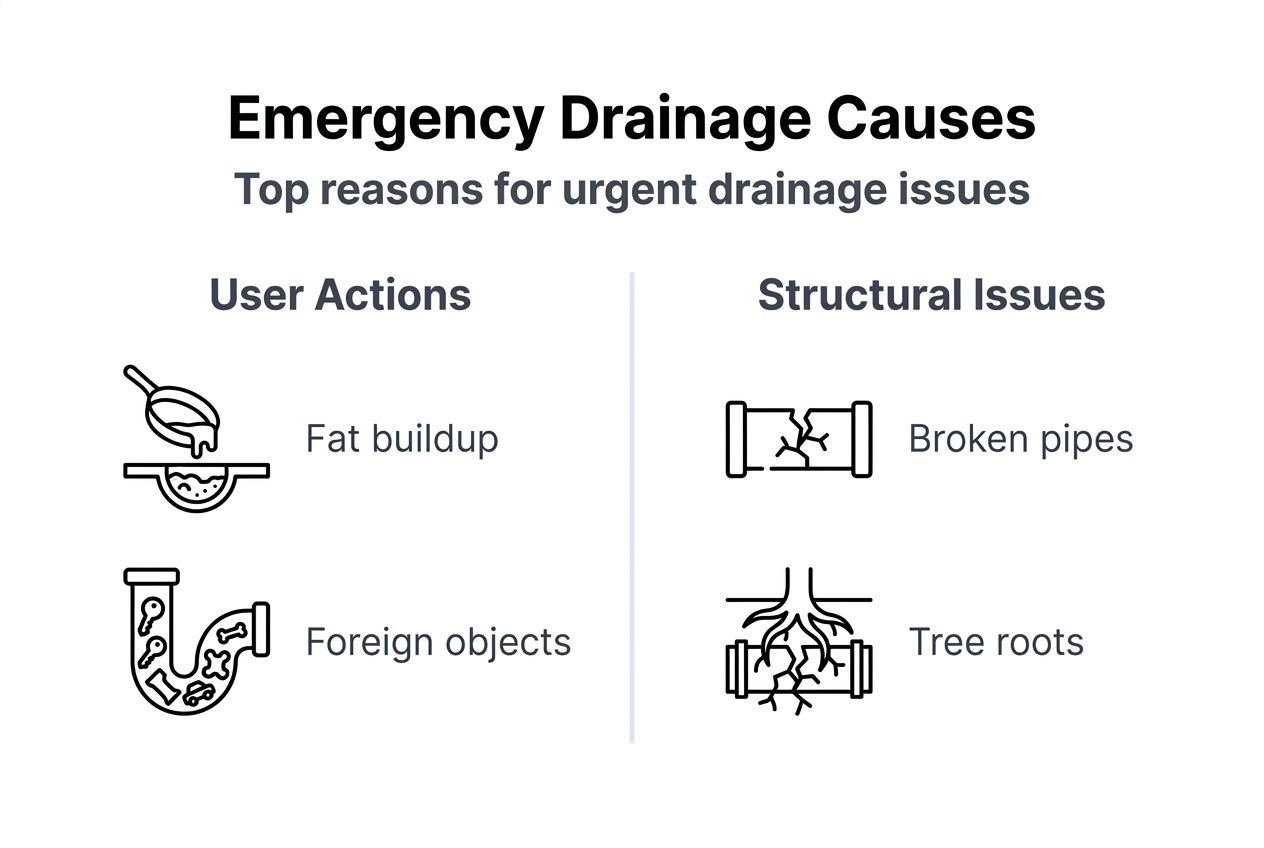
The table below illustrates primary causes and their contribution to emergency drainage services in Poole:
| Cause Category | Contribution Percentage | Common Examples |
|---|---|---|
| User behaviour | 83% | Fats, oils, grease, inappropriate items flushed |
| Structural damage | 10% | Cracked pipes, root intrusion, collapsed sections |
| Environmental factors | 7% | Debris accumulation, heavy rainfall overwhelming systems |
Beyond user habits, structural causes include aging pipes susceptible to cracks and collapses, tree roots infiltrating joints seeking moisture, and ground movement shifting pipe alignment. Poole’s historic areas feature older drainage infrastructure particularly vulnerable to root intrusion and material degradation.
Environmental factors compound existing weaknesses. Autumn leaves blocking gullies, heavy storms overwhelming capacity, and debris washed into systems during flooding all trigger emergencies. When multiple factors combine, such as fat deposits narrowing pipes already compromised by root intrusion, minor issues rapidly escalate into critical failures requiring immediate professional response.
Recognising signs and symptoms of emergency drainage
Early recognition enables swift action before minor problems become catastrophic. Multiple fixtures clogging simultaneously suggests main sewer blockage rather than isolated issues. If your toilet won’t flush whilst your shower drains slowly and your kitchen sink backs up, you’re facing an emergency requiring immediate specialist attention.
Warning signs demanding urgent response include:
- Foul sewage odours throughout property
- Gurgling noises from drains and toilets
- Overflowing toilets with rising water levels
- Slow drainage across multiple fixtures
- Water pooling around external drains
- Visible sewage backing up through drains
Pay particular attention to gurgling sounds when water drains elsewhere in your property. These noises indicate trapped air displaced by blockages, signalling problems developing within your drainage system. Similarly, persistent foul smells suggest sewage accumulation even without visible overflow.
Overflowing toilets represent critical emergencies. When flushing causes water to rise rather than drain, stop using the toilet immediately and contact emergency drainage specialists. Continued flushing worsens overflow, spreading contaminated water across floors and potentially into walls and subfloors.
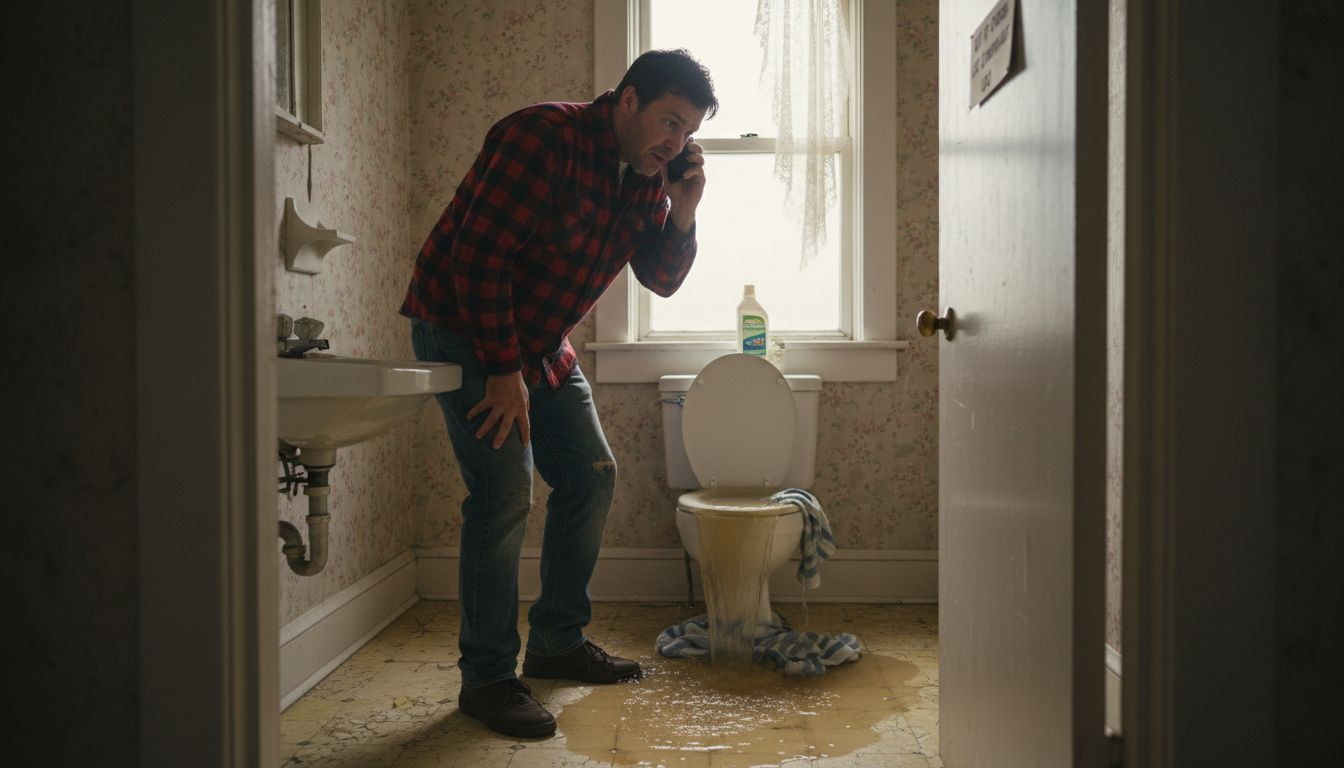
Don’t dismiss slow drainage as minor inconvenience. Gradual slowing indicates progressive blockage that will eventually cause complete failure. Acting whilst drainage remains partially functional allows professionals to address problems before sewage backs up into living spaces. Recognising these signs of blocked drains every homeowner should know prevents emergencies through timely intervention.
Professional emergency drainage services and techniques
Modern drainage specialists employ sophisticated techniques ensuring rapid, effective resolution whilst minimising property disruption. High-pressure water jetting blasts away stubborn blockages including fatbergs and root masses, restoring full flow without damaging pipes. This method proves particularly effective for emergency drainage services in Poole properties with severe accumulations.
CCTV drain surveys provide precise diagnosis by inserting cameras into drainage systems, revealing exact blockage locations and underlying structural problems. This technology eliminates guesswork, allowing targeted intervention and preventing unnecessary excavation.
When pipes suffer damage, no-dig relining techniques repair sections without disruptive excavation. Specialists insert resin-coated liners that cure in place, creating seamless new pipe surfaces within existing structures. This approach proves especially valuable in Poole’s historic areas where traditional excavation would damage period features or prove prohibitively expensive.
The table below compares emergency drainage methods:
| Method | Best For | Advantages | Limitations |
|---|---|---|---|
| High-pressure jetting | Severe blockages, fatbergs | Rapid clearing, no chemicals | Requires specialist equipment |
| CCTV surveys | Diagnosis, inspection | Precise location identification | Doesn’t remove blockages itself |
| No-dig relining | Damaged pipes | Minimal disruption, permanent repair | More expensive than simple unblocking |
| Excavation repair | Major collapses | Complete pipe replacement possible | Disruptive, costly, time-consuming |
Pro Tip: Request CCTV surveys during emergency callouts to identify underlying causes beyond immediate blockages, preventing repeat failures and enabling targeted preventive maintenance.
Response times matter critically during emergencies. Research shows rapid professional response arrives within 1-2 hours during weekday hours and 2-4 hours after hours, minimising damage through swift intervention. This speed explains why attempting prolonged DIY fixes proves counterproductive when facing genuine emergencies.
Health and property risks from delayed emergency drainage
Postponing professional intervention allows minor problems to escalate into serious damage affecting structure, health, and finances. Structural consequences include pipe cracking from pressure buildup, internal flooding saturating walls and floors, and foundation weakening as water undermines supporting ground.
Stagnant sewage creates health hazards through bacterial contamination including E. coli and Salmonella. Exposure occurs through direct contact with contaminated water or inhalation of airborne particles. Accumulated water also attracts pests including rats and insects, introducing additional disease vectors into your property.
Research confirms that delaying emergency drainage interventions increases risks of structural damage including pipe cracking, flooding inside properties, and extensive costly repairs. What begins as manageable blockage becomes catastrophic failure requiring emergency plumbing, flood remediation, and structural repairs.
Financial impacts compound over time:
- Emergency callout fees increase with severity
- Property damage repairs escalate exponentially
- Temporary accommodation costs during major works
- Decreased property value from drainage history
- Insurance premium increases following claims
Damp and mould resulting from water infiltration pose long-term health risks including respiratory problems and allergic reactions. Addressing these consequences costs substantially more than preventing them through timely emergency drainage response.
Practical immediate actions for homeowners facing drainage emergencies
When drainage emergencies strike, taking correct immediate action reduces damage whilst awaiting professional arrival. Follow these steps:
- Turn off your main water supply immediately to prevent additional water entering blocked systems and worsening overflow.
- Cease using all affected drains and fixtures to avoid pushing blockages deeper or increasing sewage backup.
- Attempt safe minor debris removal only if you can see and easily reach obstructions without tools or chemicals.
- Contact emergency drain unblocking workflow specialists immediately, providing clear descriptions of symptoms and affected areas.
Avoid pouring chemical cleaners during emergencies. These products rarely clear serious blockages, may react dangerously with accumulated sewage, and can damage aging pipes. Chemical solutions prove particularly ineffective against fatbergs or root intrusions requiring mechanical removal.
Research indicates that immediate homeowner actions include turning off water supply, ceasing fixture use, attempting safe minor clearing if possible, and calling professionals without delay. These steps align with guidance for safely managing emergencies before specialist arrival.
Pro Tip: Document symptoms with photographs and notes detailing when problems started, which fixtures are affected, and any unusual smells or sounds to help professionals diagnose issues quickly upon arrival.
Whilst awaiting specialists, protect property by placing towels around overflowing areas, moving valuables away from affected zones, and ensuring vulnerable occupants avoid contaminated spaces. Don’t attempt removing toilet bowls, disassembling pipe joints, or forcing tools deep into drains, as these actions often worsen damage. Simple surface clearing using plungers on accessible blockages represents the limit of safe DIY intervention during emergencies. For systematic approaches to minor issues, consult guides on how to unblock drains safely at home outside emergency contexts.
Common misconceptions about emergency drainage
Several persistent myths delay appropriate emergency responses, worsening damage and increasing costs. Understanding these misconceptions helps homeowners make better decisions during crises.
Misconception: Slow drainage is safe to ignore until complete blockage occurs. Correction: Gradual slowing signals progressive blockage that will inevitably cause emergency failure. Addressing problems whilst drainage remains partially functional proves far easier and cheaper than waiting for catastrophic backup.
Misconception: Chemical drain cleaners effectively clear serious blockages. Correction: Chemicals rarely dissolve fatbergs or root masses causing emergencies. These products may damage aging pipes through corrosive action whilst failing to restore drainage, wasting precious time before inevitable professional intervention.
Misconception: DIY fixes always resolve emergencies effectively without specialists. Correction: Improper DIY attempts often push blockages deeper, damage pipes through excessive force, or worsen problems by introducing inappropriate materials. Professional equipment and expertise prove essential for genuine emergencies requiring high-pressure jetting, CCTV diagnosis, or structural repairs.
Some homeowners believe emergencies only occur in older properties with aging infrastructure. Modern homes face drainage emergencies from user behaviour regardless of pipe age. Flushing inappropriate items or pouring fats down drains causes blockages in new and old systems alike.
Another myth suggests waiting until regular business hours saves money on emergency callout fees. This false economy ignores escalating damage costs far exceeding premium rates for after-hours service. Sewage backing up into living spaces for hours causes substantially more expensive remediation than immediate professional response.
Preventing emergencies: maintenance and monitoring strategies
Proactive measures significantly reduce emergency drainage risks, protecting properties through regular attention and sensible habits. Schedule annual CCTV drain surveys identifying developing problems before they cause failures. Early detection of root intrusion, pipe degradation, or accumulating deposits enables planned maintenance rather than emergency response.
Proper disposal practices prevent most user-caused blockages:
- Never pour fats, oils, or grease down drains; collect in containers for refuse disposal
- Flush only toilet paper and human waste; bin everything else including wipes labelled flushable
- Install sink strainers catching food debris before entering drainage systems
- Educate household members about correct disposal preventing accidental blockages
Seasonal maintenance addresses environmental factors before they trigger emergencies. Clear leaves from gutters and external drains each autumn, preventing accumulation during winter storms. Inspect outdoor drainage after heavy rainfall, removing visible debris and ensuring water flows freely.
Arrange professional inspections for aging or vulnerable pipes, particularly in properties over 30 years old or with known root intrusion history. Specialists assess structural integrity, recommend preventive repairs, and identify sections requiring monitoring or replacement.
Pro Tip: Maintain a drainage log recording inspection dates, problems encountered, and solutions applied to track recurring issues and demonstrate proper maintenance for insurance claims.
Consider drainage inspection Dorset services as part of property purchase surveys, ensuring hidden drainage problems don’t become your unexpected emergency. Regular maintenance costs substantially less than emergency interventions whilst protecting property value and avoiding disruption from unexpected failures.
Reliable emergency drainage solutions in Poole
When drainage emergencies strike your Poole property, swift professional intervention prevents escalating damage and costly repairs. Blocked Drains Poole provides comprehensive emergency services utilising modern techniques including high-pressure jetting and CCTV surveys, ensuring rapid, effective resolution with transparent pricing and no hidden fees.

Our specialists respond promptly to emergencies throughout Poole and surrounding Dorset areas, operating around the clock to address urgent drainage failures whenever they occur. From immediate unblocking to permanent repairs, our emergency drain unblocking workflow ensures systematic, thorough resolution preventing repeat problems.
We combine traditional expertise with advanced technology, following proven drain unblocking procedure 2026 standards delivering effective results whilst minimising property disruption. Our comprehensive drainage inspection Dorset services identify underlying causes, enabling targeted preventive maintenance that protects your property long term. Contact our emergency team immediately when drainage problems threaten your Poole home.
Frequently asked questions
What is the difference between emergency and regular drainage?
Emergency drainage addresses urgent failures threatening immediate property damage or health hazards, requiring rapid professional response regardless of time. Regular drainage maintenance involves scheduled inspections and preventive work planned at convenient times. Emergency situations demand instant action, whilst routine maintenance follows predictable schedules.
How quickly should I call a professional if I suspect a drainage emergency?
Contact professionals immediately upon noticing emergency signs including multiple blocked fixtures, overflowing toilets, or sewage backup. Research shows rapid professional response arrives within 1-2 hours during weekdays and 2-4 hours after hours. Swift action minimises damage and reduces repair costs substantially.
Can I attempt DIY fixes in an emergency drainage situation?
DIY attempts during genuine emergencies often worsen damage by pushing blockages deeper or damaging pipes through improper techniques. Only attempt safe surface clearing of visible debris you can easily reach. Always contact professional emergency services promptly rather than prolonging DIY efforts that delay proper resolution. Consult drain repair guide effective DIY solutions for minor non-emergency situations only.
What preventive measures can reduce emergency drainage risks?
Regular professional inspections including CCTV surveys identify developing problems before they cause emergencies. Proper disposal of fats and inappropriate materials prevents most user-caused blockages. Seasonal clearing of outdoor drains and gutters addresses environmental factors. Annual drainage inspection Dorset services significantly lower emergency risks through early problem detection and preventive maintenance.