
Blocked drains can turn any Poole home upside down, especially when you live in an older property with fragile clay pipes and vulnerable underground systems. Quick action matters more than ever, as ignoring a blockage risks costly damage and stressful disruption. This guide helps you assess the situation, choose safe unblocking methods, and restore drainage flow — so you can protect your property and get things running smoothly again. Understanding vulnerable pipework means fewer surprises and safer solutions for your home’s wellbeing.
Table of Contents
- Step 1: Assess Blockage Location And Risk
- Step 2: Prepare Appropriate Unblocking Tools
- Step 3: Apply Safe Manual Or Mechanical Clearing
- Step 4: Inspect Drainage Flow For Full Restoration
Quick Summary
| Essential Insight | Detailed Explanation |
|---|---|
| 1. Assess blockage type and location | Identify which drains are affected to determine if the issue is localised or systemic, influencing your next steps. |
| 2. Gather unblocking tools ahead of time | Have essential tools ready, such as a plunger and plumbing snake, to facilitate quick responses to blockages. |
| 3. Use controlled techniques for clearing | Apply gentle pressure when using tools to avoid damaging pipes, especially in older systems susceptible to issues. |
| 4. Inspect drains after clearing | Verify that water drains smoothly and inspect for hidden damage after a blockage has been cleared to prevent future problems. |
| 5. Document your findings | Keep a record of what you encountered, including timing and observed behaviours, for future reference or professional help. |
Step 1: Assess blockage location and risk
Knowing where your blockage sits and how serious it is determines your next action. A blocked drain affecting just one sink behaves very differently from a blockage in your main soil pipe. You’ll need to gather some basic information before calling a professional or attempting a fix yourself.
Start by identifying which drains are affected. Is it only the downstairs toilet, or are multiple fixtures throughout your home struggling? Does water back up when you flush, or does it drain slowly? These observations tell you whether you’re dealing with a localised issue or something affecting your entire system.
Check for visible warning signs:
- Gurgling sounds from pipes when water drains
- Slow drainage in multiple areas simultaneously
- Water pooling around outdoor gullies or inspection covers
- Unpleasant odours coming from drains
- Soggy patches in your garden or yard
Older Poole properties often have clay pipework underground that’s prone to tree root ingress and collapse. If your home was built before the 1970s, consider this when assessing risk. A blockage in a 50-year-old pipe carries different implications than one in modern plastic pipework.
Locate your inspection covers if you can. These small circular lids sit in your garden or driveway and give access to your drainage system. Lift the cover carefully and look inside. If water is backed up, you’ve found where the problem lies. This simple observation narrows down whether the blockage is before or after that point.
Risk assessment matters because:
Here is a comparison of blockage types and the actions they typically require:
| Blockage Type | Typical Location | Level of Risk | Recommended Action |
|---|---|---|---|
| Surface blockage | Sink, bath, single toilet | Low | Use plunger or basic drain snake |
| Main soil pipe blockage | Outdoor drain, whole house | High | Consider CCTV, call a professional |
| Tree root ingress | Underground clay pipes | Very high | Specialist equipment required |
| Structural pipe damage | Any part of system | Critical | Professional repair essential |
- A surface-level blockage needs basic clearance
- Deep blockages may require CCTV investigation and specialist equipment
- Structural damage to pipes changes your repair options entirely
- Risk of property damage increases with delay
This is where a drain CCTV survey provides definitive answers. Instead of guessing what’s happening 10 metres underground, cameras show exactly where the problem sits and what caused it.
Document what you’ve found and note the timing. Did this start suddenly or gradually? Is it recurring? This information helps professionals diagnose the issue faster.
Pro tip: Take photos of any pooling water, soggy patches, or backed-up drains before they worsen. These images help drainage specialists understand what’s happened and assess risk more accurately when you contact them.
Step 2: Prepare appropriate unblocking tools
Having the right tools before you start makes the difference between a quick fix and hours of frustration. Different blockages require different approaches, and you’ll want to assess what you’re dealing with before grabbing equipment. Some issues need only a plunger, whilst others demand specialist gear you may not own.
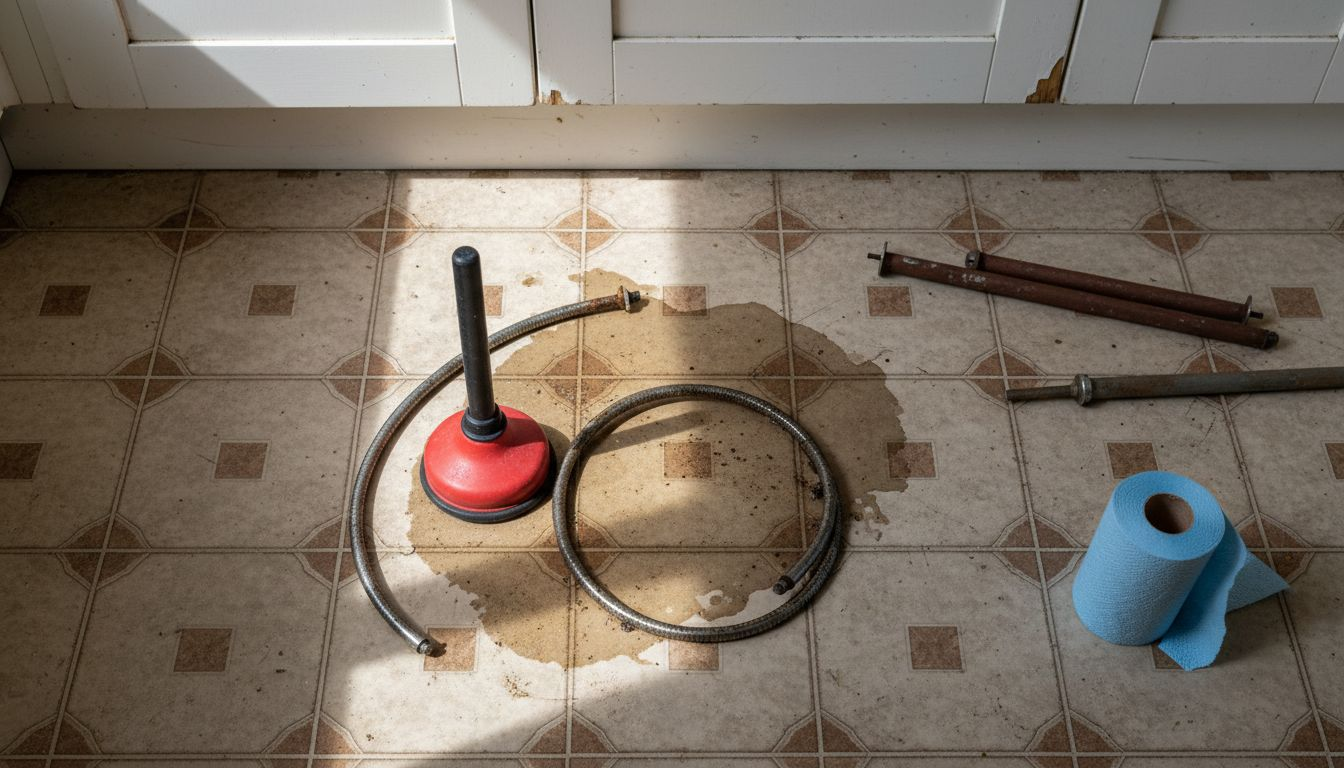
Start with what most homes already have. A standard plunger works brilliantly for surface blockages in sinks, baths, and toilets. Fill the sink or bath with enough water to cover the plunger cup, then pump vigorously. The pressure and suction shift minor blockages remarkably well. If your blockage clears after a few attempts, you’ve solved it without spending money.
If the plunger doesn’t work, consider a plumbing snake or drain rod. These flexible tools push through blockages or hook debris and pull it back out. You can buy basic plastic versions inexpensively, though they work better for surface-level clogs. For deeper blockages in your main drainage system, hire professionals with motorised drain rods that pack considerably more force.
Tools to have ready for basic attempts:
The table below summarises key tools for unblocking drains and their best uses:
| Tool Name | Best Use Case | Effectiveness | Caution |
|---|---|---|---|
| Plunger | Surface clogs in sinks/toilets | Very effective | Not suitable for deep blockages |
| Plumbing snake | Shallow debris or hair | Moderate | Avoid forcing in narrow bends |
| Drain rods | Outdoor and main drains | High for deep clogs | Risk of pipe damage in untrained hands |
| Chemical cleaner | Organic surface blockages | Limited, short-term | Harmful to old clay and plastic pipes |
- Rubber plunger (cup style, not flange)
- Bucket for water and debris
- Torch to see inside inspection covers
- Rubber gloves and old towels
- Safety glasses if using chemical products
- Plumbing snake or drain auger
Chemical drain cleaners exist, but proceed cautiously. They’re aggressive on blockages yet hazardous to handle and damaging to older pipes. Poole’s historic clay pipework particularly suffers from chemical use. If you choose this route, follow instructions meticulously and wear protective equipment.
For serious blockages, understanding how to unblock drains safely at home helps you recognise when to stop and call professionals. Attempting to force a stubborn blockage risks damaging your pipes further.
The safest approach for deep blockages involves professional equipment. Drain rods in untrained hands can puncture pipes, creating far costlier problems than the original blockage.
Assemble your kit now, before water starts backing up everywhere. Laying out your tools means you’re ready to act instantly when a blockage hits, rather than scrambling through cupboards whilst water overflows.
Pro tip: Keep a small toolkit permanently stored near your inspection covers or under the kitchen sink. Include a plunger, torch, bucket, and gloves so you’re always ready for emergencies without wasting time searching for equipment.
Step 3: Apply safe manual or mechanical clearing
Now it’s time to actually tackle the blockage. The key is working methodically and gently, avoiding aggressive techniques that damage your pipes. Whether you’re using a plunger or drain rod, controlled pressure beats brute force every time.
Start with your plunger if you haven’t already. Position it firmly over the drain opening, ensuring a complete seal. Fill the sink or bath with enough water to submerge the cup. Push down and pull up in quick, forceful motions for about 20 seconds, then check if water drains. Repeat this cycle up to five times before moving to other methods.
If plunging fails, a drain rod or snake becomes your next option. Feed the rod slowly into the drain, rotating gently as you push forward. You’ll feel resistance when it hits the blockage. Continue rotating and pushing without forcing, as excessive pressure can crack older pipework. Once you feel it break through, pull the rod back slowly, which often hooks debris and brings it to the surface.
Safe clearing techniques to follow:
- Never use excessive force or sudden jerking motions
- Rotate rods gently rather than pushing straight through
- Work in short bursts, checking progress between attempts
- Wear gloves and protect your eyes from splashing water
- Stop immediately if you feel unexpected resistance
- Consider enzyme-based drain cleaners for organic blockages instead of harsh chemicals
Applying gentle but firm techniques ensures you clear the blockage without puncturing or cracking pipes underneath. This distinction matters especially in Poole’s older properties where clay pipes are fragile.
Work steadily for 10 to 15 minutes maximum before reassessing. If the blockage won’t shift, stop and call professionals. Continuing beyond this point risks turning a simple blockage into a costly pipe repair.
The difference between success and disaster often comes down to knowing when to stop. Skilled professionals have equipment and training you lack. There’s no shame in handing over the job.
Once water starts draining freely, flush thoroughly with clean water to wash away remaining debris and confirm the blockage is fully cleared.
Pro tip: After clearing a blockage, pour boiling water down the drain followed by a cup of baking soda and white vinegar. Let it sit for 30 minutes, then flush with hot water. This cleans the pipe walls and helps prevent future build-up.
Step 4: Inspect drainage flow for full restoration
Clearing the blockage is only half the battle. You need to confirm the drain is fully restored and check for any damage caused during the clearing process. A thorough inspection now prevents problems from returning within days.
Start by running water through all affected drains. Turn on taps slowly and watch how quickly water disappears. It should drain smoothly without gurgling, backing up, or pooling. Test multiple fixtures simultaneously to ensure your entire system is working properly. If you had a toilet blockage, flush several times and listen for any unusual sounds.
Next, check your inspection covers again. Lift them and look inside to see if water is flowing freely through the pipes. The water level should drop steadily rather than sitting stagnant. If water remains backed up, the blockage may not be fully cleared, or there could be additional obstructions further down the line.
Signs your drain is fully restored:
- Water drains immediately without hesitation
- No gurgling or bubbling sounds from pipes
- Inspection covers show flowing water, not stagnant pools
- No unpleasant odours returning within hours
- All fixtures drain at normal speed
- No visible water pooling in your garden
Pay attention to whether the problem recurs within 24 to 48 hours. Recurring blockages suggest a deeper issue like tree roots, structural damage, or ongoing debris accumulation. This is when professional intervention becomes necessary, and drainage inspection services can identify what’s actually happening beneath your property.
If you used a drain rod, inspect it carefully as you retrieve it. Look for signs of damage like dents, cracks, or broken sections. These indicate your pipe may have been stressed during clearing. Even if water flows now, hidden damage could cause future problems.
A successfully cleared drain restores normal flow instantly. If improvement is gradual or partial, something else is wrong. Trust your observations.
Document your findings. Note the date, what you did, how long it took, and what the results were. This record proves helpful if you need professional assistance later or if similar issues develop.
Pro tip: After confirming full restoration, pour a bucket of water down each drain and time how long it takes to disappear completely. Document this baseline. If draining noticeably slows in future weeks, you’ll know a new blockage is forming before it becomes serious.
Trust Blocked Drains Poole for Expert Emergency Drain Unblocking Solutions
Dealing with a blocked drain in your Poole home can feel overwhelming, especially when slow drainage, unpleasant odours or water pooling signal deeper issues beneath the surface. As highlighted in the Emergency Drain Unblocking Workflow article, recognising the type of blockage and applying safe clearing methods are crucial but can be challenging with Poole’s older clay pipe infrastructure and complex drainage networks. When you encounter persistent blockages or any signs of main soil pipe problems, professional help is often the best way to protect your property from costly damage.
At Blocked Drains Poole, we specialise in delivering fast, reliable and transparent drainage services tailored for the unique challenges faced by homes in Poole and surrounding Dorset. Whether you need a thorough drain CCTV survey to pinpoint hidden blockages or urgent unblocking assistance, our expert team uses the latest techniques and equipment to restore flow safely and efficiently without risking further pipe damage. Our 24/7 emergency response ensures you are never left waiting when drainage issues strike unexpectedly.

Dont let a blocked drain escalate beyond repair. Act now to secure professional inspection, unblocking and repair services from the trusted local specialists at Blocked Drains Poole. Schedule your service or request an emergency callback today and gain peace of mind knowing your drainage system is in capable hands.
Frequently Asked Questions
How can I identify the location of a blockage in my drainage system?
You can identify the location of a blockage by checking which drains are affected, looking for visible signs like gurgling sounds, or slow drainage in multiple areas. Start by noting the behaviours of your fixtures to help narrow down the potential problem areas.
What tools should I prepare for unblocking drains in my home?
Prepare tools like a standard plunger, plumbing snake, and drain rods for effective unblocking. Ensure you have these tools ready so you can act promptly when a blockage occurs, saving you time and frustration.
How do I safely use a plunger to clear a blockage?
To use a plunger effectively, position it over the drain opening and ensure a complete seal, filling the sink with enough water to cover the cup. Pump vigorously for about 20 seconds; if the water drains afterwards, you’ve successfully cleared the blockage.
When should I consider calling a professional for drain unblocking?
Consider calling a professional if your blockage persists after 10 to 15 minutes of attempts to clear it or if you suspect structural damage to your pipes. Getting expert help can prevent further damage and complications in your drainage system.
What signs indicate that my drain is fully restored?
Check for smooth drainage without gurgling sounds or pooling water after clearing a blockage. If water flows freely and there are no unpleasant odours, your drain is likely fully restored and functioning well.
How can I prevent future blockages in my drains?
Prevent future blockages by regularly cleaning your drains and avoiding disposing of substances that can cause clogs, like grease or thick food scraps. Pouring boiling water and a mixture of baking soda and vinegar down your drains every few weeks can also help keep them clear.