
Most Poole homeowners will face a drainage problem at some point, and the causes are rarely mysterious. From fats poured down kitchen sinks to tree roots creeping into Victorian-era pipework, the main types of drainage issues include blockages from fats, oils, and greases, inappropriate flushed items, root intrusion, collapsed pipes, and surface water flooding. What makes Poole particularly challenging is its mix of ageing infrastructure, clay soils, and coastal silt from the harbour. This guide walks you through how to spot problems early, understand what’s causing them, and choose the right solution before a minor inconvenience becomes a costly repair.
Table of Contents
- How drainage problems are identified
- Blockages from fats, oils, and grease (FOG)
- Inappropriate items flushed or poured into drains
- Tree root intrusion and plant-related blockages
- Collapsed, broken, or misaligned pipes
- Surface water flooding and pooling
- Comparison of solutions: diagnosing and repairing drainage issues in Poole
- Expert solutions for drainage issues in Poole
- Frequently asked questions
Key Takeaways
| Point | Details |
|---|---|
| FOG and non-flushables dominate | Most drain blockages come from fats, oils, grease, and inappropriate items like wet wipes. |
| Root and pipe problems are rising | Root intrusion and pipe collapses are increasing, especially in coastal and clay soil areas. |
| Inspection and maintenance are crucial | CCTV surveys and regular drain cleaning prevent expensive emergencies. |
| Different solutions suit different issues | Jetting, rodding, CCTV, and relining offer specific fixes based on the drainage problem. |
| Professional help maximises results | Local experts in Poole can quickly diagnose and repair drainage issues for lasting peace of mind. |
How drainage problems are identified
Spotting a drainage issue early is the single most effective way to keep repair costs down. The signs are usually obvious once you know what to look for.
Common symptoms include:
- Persistent foul odours from drains or manholes
- Slow-draining sinks, baths, or showers
- Gurgling sounds from toilets or waste pipes
- Water pooling in the garden or on hard surfaces
- Damp patches on walls or floors near drainage runs
A quick visual check of your external manholes and gullies can reveal a lot. Blocked or overflowing chambers, visible debris, or standing water are all red flags. For anything below ground, specialist tools are essential. CCTV drain surveys send a camera through the pipework and give a precise picture of what’s happening inside, whether that’s a partial blockage, a crack, or a root intrusion. Our drainage inspection checklist is a useful starting point if you want to carry out a structured visual assessment yourself.
The scale of the problem nationally is significant. The UK experiences around 300,000 sewer blockages per year, costing water companies £100 million. Early diagnosis, using the right drainage terminology and assessment methods, prevents small faults from escalating into full pipe failures.
Blockages from fats, oils, and grease (FOG)
Once problems are identified, the most frequent culprit is FOG build-up. Cooking fats, oils, and grease are liquid when hot but solidify as they cool inside your pipes, gradually narrowing the bore until flow stops entirely.
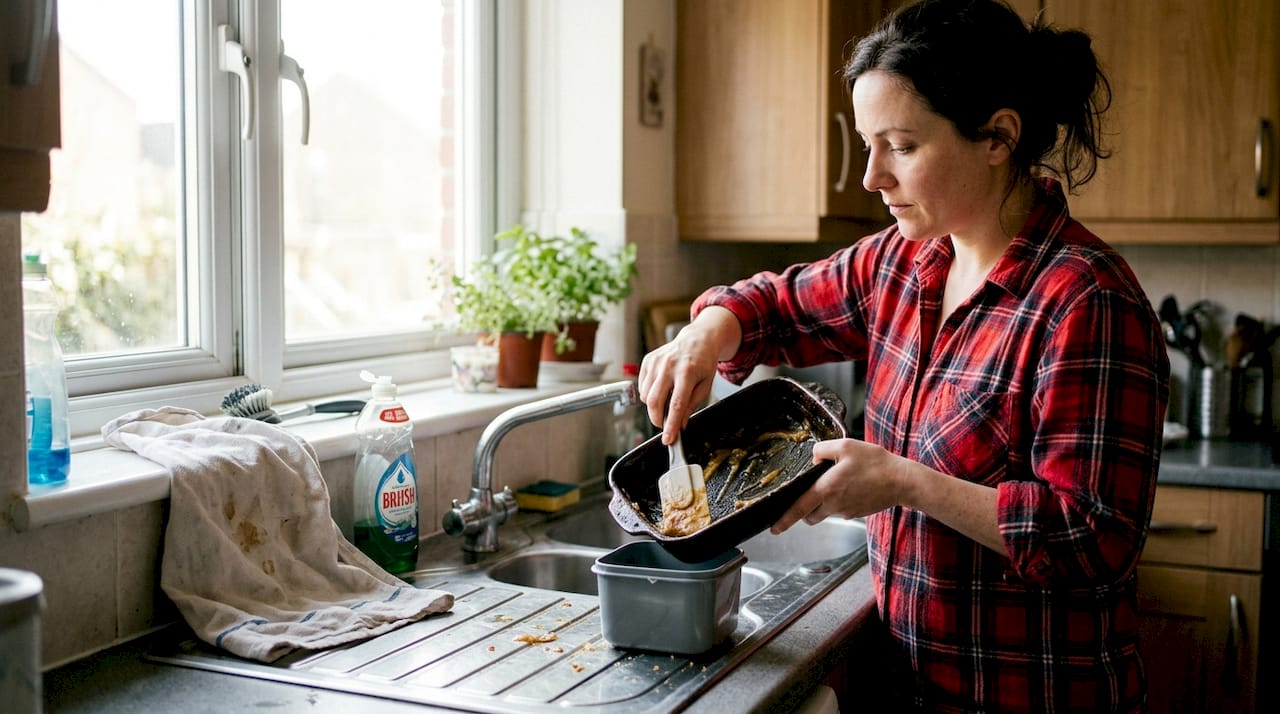
FOG blockages account for 37.5% of all drain issues in the UK. In Poole, the problem is compounded by silt carried in from the harbour, which binds with solidified grease and creates particularly stubborn deposits in older clay pipes.
Practical steps to reduce FOG build-up:
- Allow cooking fats to cool and solidify, then bin them
- Wipe greasy pans with kitchen paper before washing
- Fit a grease trap under commercial kitchen sinks
- Run hot water and a small amount of washing-up liquid through drains weekly
- Schedule professional high-pressure jetting annually if you cook frequently
Pro Tip: Never pour fat down the drain even if you follow it with boiling water. The fat simply re-solidifies further down the pipe where it’s harder to reach.
For ongoing prevention, our drain maintenance steps guide covers a simple routine that takes less than ten minutes a month. If a blockage has already formed, professional jetting is far more effective than chemical cleaners, which rarely penetrate a solid FOG mass. You can also explore the full range of drainage solutions available for Poole properties.
Inappropriate items flushed or poured into drains
FOG isn’t the only hazard; everyday non-flushables are an equally common problem. Wet wipes, sanitary products, cotton pads, and dental floss are among the most frequent offenders. They don’t break down in water the way toilet paper does, and they snag on any rough surface inside a pipe.
33.3% of blockages stem from inappropriate flushed items such as wet wipes. Even products labelled “flushable” often fail to disintegrate quickly enough to pass safely through older pipework.
Items that should never go down a drain or toilet:
- Wet wipes and baby wipes
- Sanitary towels and tampons
- Cotton wool and cotton buds
- Nappies
- Cooking oils and food scraps
- Medication and chemical waste
Pro Tip: Place a small lidded bin next to every toilet in your home. It removes the temptation to flush non-flushables and costs almost nothing to implement.
If you’re unsure what counts as safe to flush, our drainage terminology guide explains the difference between foul water, surface water, and combined systems, which affects what can safely enter each drain type. For a broader look at what causes blockages in Poole homes, see our guide to common drainage issues. If a toilet blockage has already occurred, a specialist toilet repair service can resolve it without causing further damage to the pan or pipework.
Tree root intrusion and plant-related blockages
Beyond household habits, nature plays a role, especially root intrusion. Tree roots are drawn to the moisture and nutrients inside drainage pipes. Once a root finds even a hairline crack in a joint, it grows inward and can eventually fill the entire pipe bore.
Roots account for 8.3% of blockages, and in Poole’s older residential streets, where mature trees line Victorian-era drainage runs, this figure is likely higher. Coastal saltwater corrosion also weakens pipe joints, making them more vulnerable to root entry.
How root intrusion is typically managed:
- CCTV survey to confirm root presence and assess pipe condition
- Mechanical root cutting to clear the immediate blockage
- High-pressure jetting to flush debris
- Pipe relining or patching to seal the entry point
- Scheduled follow-up surveys to monitor regrowth
| Method | Best for | Approximate cost |
|---|---|---|
| Root cutting | Active blockage removal | £150–£300 |
| Pipe relining | Sealing cracks without excavation | £500–£1,500 |
| Excavation and replacement | Severely damaged sections | £1,000–£3,000+ |
For real-world examples of how root intrusion is repaired in Poole, see our drainage repairs examples. Our guide to modern drain repair methods also covers no-dig techniques that avoid disrupting driveways and gardens.
Collapsed, broken, or misaligned pipes
When roots aren’t the cause, physical pipe collapse often is, especially for older properties in Poole. Pitch fibre pipes, commonly installed in the 1950s and 1960s, delaminate over time and collapse inward. Clay pipes, while more durable, crack under ground movement, which is a real concern given Poole’s clay-heavy soils.
Misaligned pipes cause 12.5% of blockages, and clay soils that shrink and swell with seasonal moisture changes are a significant contributing factor locally.
A CCTV survey before any repair work is not optional in Poole. Without it, you risk spending money on jetting a pipe that’s already collapsed, which achieves nothing and delays the correct fix.
Repair options compared:
| Repair method | Suitable for | Disruption level | Cost range |
|---|---|---|---|
| Pipe relining | Cracked or slightly collapsed pipes | Low, no dig | £500–£2,000 |
| Patch lining | Isolated damage | Very low | £300–£800 |
| Full replacement | Severely collapsed sections | High, excavation needed | £1,500–£5,000+ |
Our step-by-step drain inspection guide explains what a CCTV report should include and how to interpret the findings. Understanding why drainage repairs matter for property value and structural integrity is also worth reading before committing to a repair method. For related plumbing concerns, a tap or shower head replacement can sometimes be linked to pressure issues caused by partially blocked supply lines.
Surface water flooding and pooling
Not all drainage issues are hidden underground; surface flooding is equally problematic. When heavy rainfall hits impermeable surfaces like patios, driveways, and flat roofs, the water has nowhere to go if the drainage system is undersized or blocked.
Surface flooding in clay soil areas is a notable issue in coastal Poole, where the ground’s low permeability means rainwater sits on the surface rather than soaking away. For multi-unit properties and those near the harbour, this can cause repeated damage to foundations, paths, and outbuildings.
Effective surface water management options:
- French drains: Perforated pipes in gravel-filled trenches that redirect water away from buildings
- Soakaways: Underground chambers that allow water to disperse gradually into surrounding soil
- SuDS (Sustainable Drainage Systems): A broader approach using permeable paving, swales, and retention ponds to manage runoff at source
- Regular gully and channel clearing: Prevents surface drains from backing up during heavy rain
SuDS systems are particularly well suited to Poole’s coastal environment but do require regular maintenance to remain effective. Our guide to drainage solution types covers each option in detail, and our drain inspection essentials page explains what to check before and after heavy rainfall.
Comparison of solutions: diagnosing and repairing drainage issues in Poole
With all issue types covered, it’s useful to compare solutions side by side, particularly for Poole scenarios where ageing infrastructure and coastal conditions affect which approach works best.
| Solution | Best use case | Typical cost (2026) | DIY possible? |
|---|---|---|---|
| High-pressure jetting | FOG, debris, soft blockages | £150–£250 | No |
| Rodding | Simple blockages near access points | £80–£145 | Sometimes |
| CCTV survey | Diagnosis before any repair | £100–£275 | No |
| Pipe relining | Cracked or root-damaged pipes | £500–£2,000 | No |
| Excavation and replacement | Collapsed sections | £1,500–£5,000+ | No |
| French drain installation | Surface water management | £800–£2,500 | Rarely |
The general rule in Poole is: CCTV first, then treatment. Jetting a collapsed pipe wastes money and can worsen the damage. Rodding alone rarely clears a FOG blockage fully. Matching the solution to the confirmed diagnosis is what separates a lasting fix from a temporary one. Our drain repair examples show real Poole cases, and our drain solution types guide helps you understand which approach suits your property.
Expert solutions for drainage issues in Poole
If you’ve worked through this guide and recognise any of these issues at your property, the next step is a professional assessment. Attempting to clear a blockage without knowing its cause is one of the most common reasons drainage problems return within weeks.

At Blocked Drains Poole, we offer full CCTV inspections, high-pressure jetting, pipe relining, and emergency callouts across Poole and the surrounding Dorset area, with no call-out fees and upfront pricing. Our drain unblocking procedure page explains exactly what to expect when you call us out. For planned maintenance or a first-time inspection, our drainage inspection service is the right starting point. If you prefer to tackle smaller issues yourself first, our drain repair guide covers safe DIY options and tells you clearly when to call in a specialist.
Frequently asked questions
What is the most common cause of drainage blockages in Poole?
FOG blockages account for 37.5% of drain issues across the UK, making fats, oils, and grease the leading cause in Poole homes and businesses alike.
How can I prevent tree root intrusion in my property’s drains?
Scheduling a CCTV drain survey every one to two years allows early detection of root entry before it becomes a full blockage, saving significantly on repair costs.
Are collapsed pipes a big problem for Poole homes?
Yes. Ageing pitch fibre and clay pipes, combined with Poole’s shrink-swell clay soils, make collapsed or misaligned pipes a frequent issue, and professional inspection is essential before any repair work begins.
What’s the price range for unblocking a drain in Poole?
Typical 2026 costs are £150–£250 for jetting, £80–£145 for rodding, and £100–£275 for a CCTV survey, depending on access and pipe condition.
What’s the best way to prevent surface water flooding?
French drains, soakaways, and SuDS systems are the most effective long-term solutions, provided they are maintained regularly to handle Poole’s heavy rainfall events.