
Most homeowners ignore their drains until disaster strikes. Yet routine maintenance prevents 90% of emergencies whilst neglect multiplies costs tenfold. This guide reveals why drainage repairs are essential for protecting your Poole home, the warning signs you cannot afford to miss, and practical steps to maintain your drainage system effectively. Understanding these fundamentals saves you from structural damage, health hazards, and emergency repair bills that could devastate your budget.
Table of Contents
- Key takeaways
- Why timely drainage repairs are crucial for Poole homes
- Common signs that indicate your drains need prompt attention
- Modern repair methods and maintenance to extend drainage system life
- How to apply proactive drainage care to protect your Poole home
- Get professional drainage repair services in Poole
- Frequently asked questions about drainage repairs
Key Takeaways
| Point | Details |
|---|---|
| Timely repairs save costs | Prompt drainage maintenance prevents major damage and avoids emergency expenses. |
| Regular inspections detect problems early | Annual checks can catch leaks, blockages and wear before they worsen. |
| Health risks from drains | Unattended drainage issues can cause sewage exposure and mould, harming family health. |
| Modern repair methods minimise disruption | Modern drainage repairs minimise disruption to daily life while restoring drainage function quickly. |
Why timely drainage repairs are crucial for Poole homes
Delaying drainage repairs transforms minor inconveniences into catastrophic failures. Water seeping from damaged pipes saturates foundations, weakening structural integrity and creating subsidence risks. You might notice cracks appearing in walls or doors sticking in frames. These symptoms indicate serious underlying drainage problems requiring immediate attention.
Blocked or damaged drains create dangerous health hazards through sewage backup and stagnant water accumulation. Raw sewage contains harmful bacteria like E. coli and salmonella that pose severe health risks to your family. Stagnant water breeds mosquitoes and encourages mould growth, triggering respiratory problems and allergic reactions. The damp conditions attract vermin seeking water sources, compounding hygiene concerns.
Neglected drainage issues result in costs up to ten times higher due to secondary damages. Emergency repairs during evenings or weekends command premium rates whilst you scramble for temporary accommodation. Water damage ruins flooring, furniture, and personal belongings. Structural repairs after foundation damage cost thousands more than prompt drain repairs would have required.
Pro Tip: Schedule regular drain inspections annually to catch problems early, especially if your Poole home has older drainage infrastructure common in established neighbourhoods.
Poole’s aged drainage systems face unique challenges from Victorian-era pipework, tree root intrusion, and ground movement. Understanding the drainage inspection role helps you appreciate why proactive maintenance matters more than reactive emergency responses. The difference between controlled repairs and crisis management affects both your wallet and wellbeing.
“Prevention costs pennies whilst emergency repairs demand pounds. Regular drainage maintenance represents the smartest investment any homeowner can make.”
Homeowners who prioritise early detection avoid the stress and expense of drainage emergencies. Simple vigilance combined with professional expertise protects your property value and family health. The question is not whether drainage problems will occur but when, making preparation essential rather than optional.
Common signs that indicate your drains need prompt attention
Slow draining sinks, toilets, or showers signal partial blockages developing in your drainage system. Water pooling around plug holes or taking minutes to clear indicates restricted flow. You might hear gurgling sounds as air trapped behind blockages escapes through fixtures. These symptoms worsen gradually until complete blockages occur, often at the most inconvenient times.
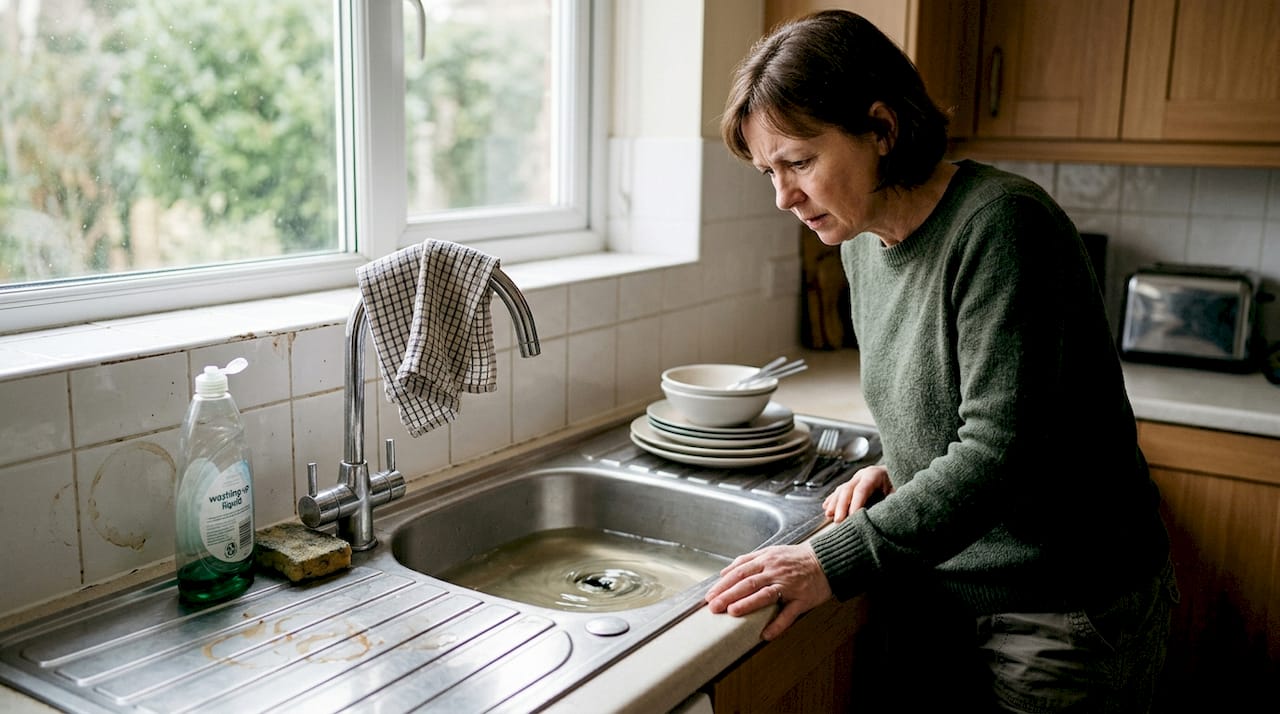
Unpleasant odours from drains or damp ground around your property reveal leaks or sewage problems. Foul smells resembling rotten eggs indicate sewer gas escaping through damaged pipes or dried traps. Persistent musty odours near external walls suggest underground leaks saturating soil. Fresh sewage smells mean immediate professional attention is essential before health hazards escalate.
Pooling water or patches of unusually lush grass indicate underground leaks feeding moisture to specific areas. You might notice soft, boggy ground where it should be firm or vegetation thriving inexplicably in certain spots. These signs reveal water escaping from damaged pipes below ground level. Winter freezing and thawing cycles accelerate pipe deterioration, making spring an ideal time for signs of blocked drains inspection.
Recognising early symptoms like slow drainage, foul odours, or damp patches prevents serious damage requiring extensive repairs. Homeowners who act quickly save thousands compared to those who wait until emergencies force action. The longer you delay, the worse problems become and the higher costs climb.
Pro Tip: Check outdoor drains and manholes monthly for obvious damages, debris accumulation, or unusual water levels that indicate developing problems requiring professional assessment.
Multiple fixtures draining slowly simultaneously suggests main drain blockages rather than isolated problems. When your toilet, shower, and sink all exhibit symptoms, the issue lies deeper in your drainage system. Common drainage repairs examples include root intrusion, collapsed pipes, and sediment accumulation blocking main lines.
- Persistent slow drainage despite using plungers or chemical cleaners
- Foul odours that return shortly after cleaning drains
- Unusual sounds like gurgling or bubbling from multiple fixtures
- Damp patches on walls, ceilings, or around the property perimeter
- Sudden increases in water bills suggesting hidden leaks
These warning signs demand professional investigation before minor issues escalate into emergencies. Ignoring symptoms hoping they resolve themselves guarantees more expensive repairs later whilst risking property damage and health hazards.
Modern repair methods and maintenance to extend drainage system life
Non-intrusive methods like drain relining repair damaged pipes without excavation, preserving your garden and driveway. Technicians insert resin-coated liners into existing pipes, creating seamless new pipes within old ones. The process takes hours rather than days, minimising disruption whilst providing guarantees exceeding traditional replacements. You avoid the mess, expense, and landscape restoration associated with digging up pipes.
Regular inspection and cleaning prevent blockages whilst prolonging drain lifespan significantly. Routine maintenance prevents 90% of drainage emergencies, drastically cutting repair disruptions and costs. Professional cleaning removes accumulated grease, soap residue, and debris before they cause complete blockages. High-pressure water jetting clears pipes thoroughly without damaging them, restoring full flow capacity.
| Aspect | Traditional Repair | Modern Methods |
|---|---|---|
| Disruption | Extensive excavation required | Minimal, often completed in hours |
| Cost | Higher due to labour and restoration | Lower overall with faster completion |
| Guarantee | Typically 1-2 years | Often 10+ years for relining |
| Garden impact | Significant damage requiring restoration | Virtually none with access points |
| Completion time | Several days to weeks | Same day for most repairs |
Pro Tip: Schedule periodic CCTV drain surveys to detect developing issues before symptoms appear, allowing planned repairs rather than emergency responses that cost significantly more.
Modern drain repair methods combine advanced technology with practical efficiency. CCTV cameras inspect pipes internally, identifying precise problem locations and causes. This diagnostic accuracy eliminates guesswork, ensuring targeted repairs that address root causes rather than symptoms. You receive video evidence showing exactly what requires attention and why.
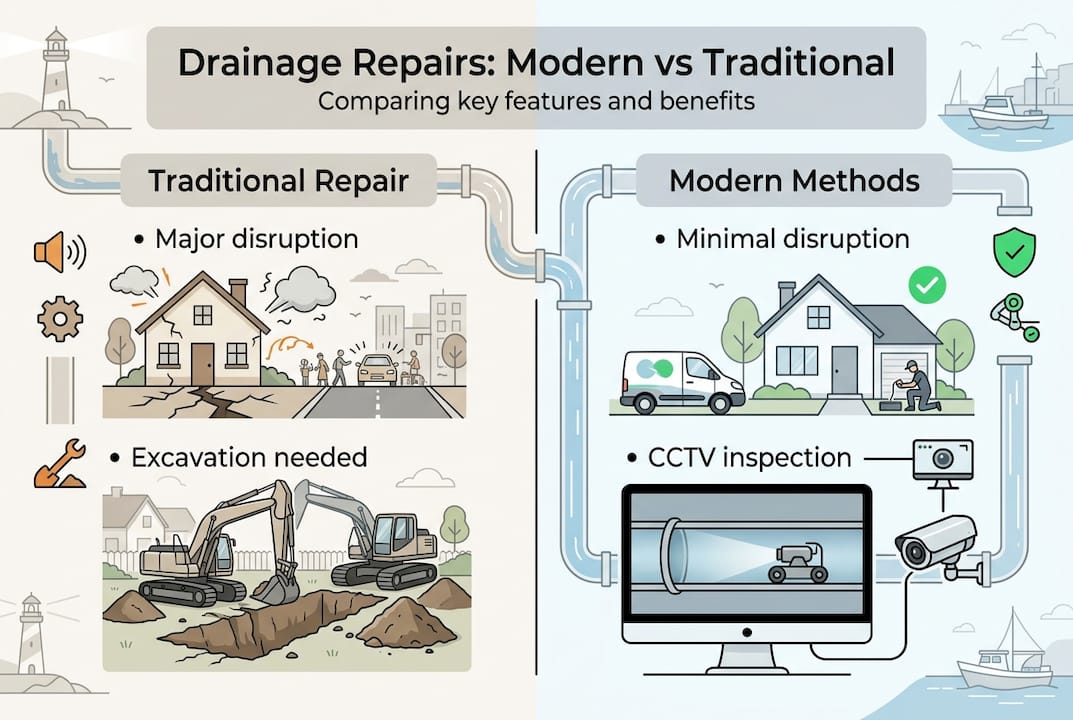
Drain relining benefits extend beyond immediate repairs to long-term performance improvements. The seamless liner prevents root intrusion, eliminates joints where blockages typically form, and resists corrosion better than traditional materials. Your drainage system gains decades of reliable service without the disruption and expense of complete replacement.
Implementing a maintenance programme protects your investment whilst avoiding emergencies:
- Schedule annual professional inspections using CCTV technology to assess pipe condition and identify developing issues before they cause problems
- Arrange regular cleaning sessions removing accumulated debris, grease, and sediment that restrict flow and encourage blockages
- Address minor repairs promptly before they escalate into major failures requiring emergency intervention and expensive solutions
- Consult drainage specialists about preventive measures specific to your property’s age, location, and drainage infrastructure characteristics
- Keep detailed records of inspections, cleaning, and repairs to track system health and plan future maintenance effectively
Understanding the importance of regular inspection transforms drainage from a crisis-driven concern into a manageable aspect of home maintenance. Proactive care costs less annually than a single emergency repair whilst eliminating the stress and disruption emergencies cause.
How to apply proactive drainage care to protect your Poole home
Regularly inspect visible drains using a comprehensive checklist covering all accessible components. Check outdoor gullies for debris accumulation, damaged grates, or unusual odours indicating problems. Examine manhole covers for proper seating and signs of ground movement. Look for vegetation growing near drain runs that might indicate root intrusion. Inside, test all fixtures for proper drainage speed and listen for unusual sounds.
Establish routine cleaning schedules preventing sediment build-up and blockages before they restrict flow. Monthly hot water flushing removes grease and soap residue from kitchen and bathroom drains. Quarterly professional cleaning for main drains handles deeper accumulations beyond household methods. Annual comprehensive cleaning addresses the entire system, ensuring optimal performance year-round.
Preventative maintenance strategies significantly reduce costly drainage emergencies through systematic care. Consistent attention catches problems early when repairs cost less and cause minimal disruption. You gain peace of mind knowing your drainage system receives proper care rather than hoping problems do not occur.
Identify when professional help is essential rather than attempting DIY solutions that might worsen problems:
- Conduct monthly visual inspections of all accessible drains, manholes, and external drainage features, noting any changes or concerning symptoms
- Implement weekly preventive measures like hot water flushing and drain strainer cleaning to minimise debris entering the system
- Monitor drainage performance continuously, tracking any gradual changes in flow speed or unusual sounds that indicate developing issues
- Consult professionals immediately when symptoms persist despite basic maintenance or when you observe serious warning signs requiring expert assessment
- Follow the drainage inspection checklist systematically to ensure comprehensive coverage of all potential problem areas
Never ignore these warning signs demanding immediate professional attention:
- Multiple fixtures draining slowly simultaneously
- Sewage backing up into sinks, toilets, or showers
- Persistent foul odours despite cleaning efforts
- Visible water pooling around the property foundation
- Sudden unexplained increases in water bills
- Unusual sounds like gurgling from multiple drains
Knowing why call a drain specialist prevents DIY disasters that escalate costs and damage. Professionals possess diagnostic equipment, expertise, and insurance that homeowners lack. They identify root causes rather than treating symptoms, ensuring lasting solutions rather than temporary fixes.
Poole’s unique drainage challenges from aged infrastructure and coastal conditions require specialist knowledge. Victorian-era pipes, root intrusion from mature trees, and ground movement from clay soils create problems beyond typical drainage issues. Local specialists understand these factors, applying appropriate solutions that account for regional characteristics affecting drainage performance.
Get professional drainage repair services in Poole
When drainage problems threaten your Poole home, professional expertise makes the difference between quick resolution and prolonged disruption. Our comprehensive drain unblocking procedure combines advanced technology with proven techniques, ensuring efficient, lasting results without unnecessary excavation or expense.

CCTV drain surveys detect hidden drainage issues before damage worsens, providing video evidence showing exactly what requires attention. This diagnostic accuracy eliminates guesswork whilst enabling targeted repairs that address root causes. You receive clear explanations and transparent pricing before any work begins, ensuring informed decisions about your property.
Modern drain repair methods minimise disruption whilst extending drain life significantly beyond traditional approaches. Our local expertise with Poole’s aged drainage infrastructure ensures appropriate solutions for your specific situation. We understand the challenges Victorian-era pipework presents and apply techniques that work reliably in coastal Dorset conditions. Fast response times and transparent service mean you get help when you need it most.
Frequently asked questions about drainage repairs
How quickly should I act when I suspect a drainage problem?
Act immediately when you notice drainage symptoms to prevent escalation into emergencies. Prompt drain repairs cost significantly less than emergency interventions whilst avoiding secondary damage to your property. Early action protects your home and budget.
What are the benefits of a CCTV drain survey for my home?
CCTV surveys provide accurate diagnosis of drainage problems without excavation, showing precise locations and causes of issues. You receive video evidence enabling informed repair decisions whilst avoiding unnecessary work. Surveys detect developing problems before symptoms appear, allowing planned maintenance rather than emergency responses.
Can I attempt DIY drainage repairs safely?
Basic maintenance like cleaning drain strainers and hot water flushing is safe, but significant blockages or repairs require professional expertise. DIY attempts often worsen problems or miss underlying causes, leading to repeated issues and higher eventual costs. Professionals possess proper equipment, diagnostic tools, and insurance protecting you from liability.
How often should drains be inspected to avoid costly repairs?
Annual professional inspections using CCTV technology detect problems early whilst monthly homeowner checks of visible drains catch obvious issues. Following a comprehensive drainage inspection checklist ensures thorough coverage. Older properties or those with mature trees nearby benefit from more frequent professional assessments.
When is it essential to call a drainage specialist?
Call specialists immediately when multiple fixtures drain slowly, sewage backs up, persistent odours occur despite cleaning, or you notice pooling water around your property. These symptoms indicate serious problems requiring professional diagnosis and repair. Delaying professional help escalates damage and costs whilst risking health hazards from sewage exposure.