
Many homeowners believe drainage problems will sort themselves out or remain manageable if left alone. This dangerous misconception leads to widespread deterioration and higher costs down the line. Poole’s aging infrastructure makes swift action even more essential, as older pipes deteriorate rapidly once compromised. This guide reveals why immediate drain repairs protect your property investment, explains how modern inspection technology identifies issues before they escalate, and provides practical steps to maintain healthy drainage systems for years ahead.
Table of Contents
- Understanding The Risks Of Delayed Drain Repairs
- How Cctv Drain Surveys Guide Accurate, Effective Repairs
- Choosing Between Repair And Replacement: Expert Considerations For Aged Drainage
- Practical Steps To Ensure Lasting Drain Health After Repairs
- Get Expert Drain Repair Help In Poole Today
- Frequently Asked Questions About Prompt Drain Repairs In Poole
Key takeaways
| Point | Details |
|---|---|
| Act quickly | Prompt repairs prevent escalating damage and significantly higher costs later |
| Use technology | CCTV inspections identify precise issues before selecting appropriate repair methods |
| Consider age | Aged systems require careful repair approaches to avoid causing additional harm |
| Weigh options | Short-term fixes may work initially, but replacements often save money long-term |
| Seek expertise | Professional advice ensures safe, lasting drainage solutions tailored to your property |
Understanding the risks of delayed drain repairs
When you notice slow draining sinks or gurgling sounds, postponing professional help feels tempting. Minor blockages seem inconvenient rather than urgent. Yet these early warning signs indicate problems that worsen exponentially without intervention.
A small crack in your drainage pipe allows soil particles to enter gradually. Water flow carries these particles away initially, but the crack widens under pressure. Within months, tree roots detect moisture and force their way through the opening. The blockage grows as roots expand, trapping debris and restricting flow further. Eventually, the pipe collapses entirely, requiring excavation and replacement rather than simple repairs.
Poole homes face particular vulnerability due to common drainage issues specific to the area. Many properties built before 1980 contain pitch fibre pipes, which deteriorate faster than modern materials. These pipes deform and collapse when exposed to prolonged moisture, creating blisters and delamination that trap waste.
Consider the financial progression:
- Initial blockage clearing: £150-£300
- Crack repair with relining: £800-£1,200
- Partial pipe replacement: £2,000-£3,500
- Full system replacement with excavation: £4,000-£8,000
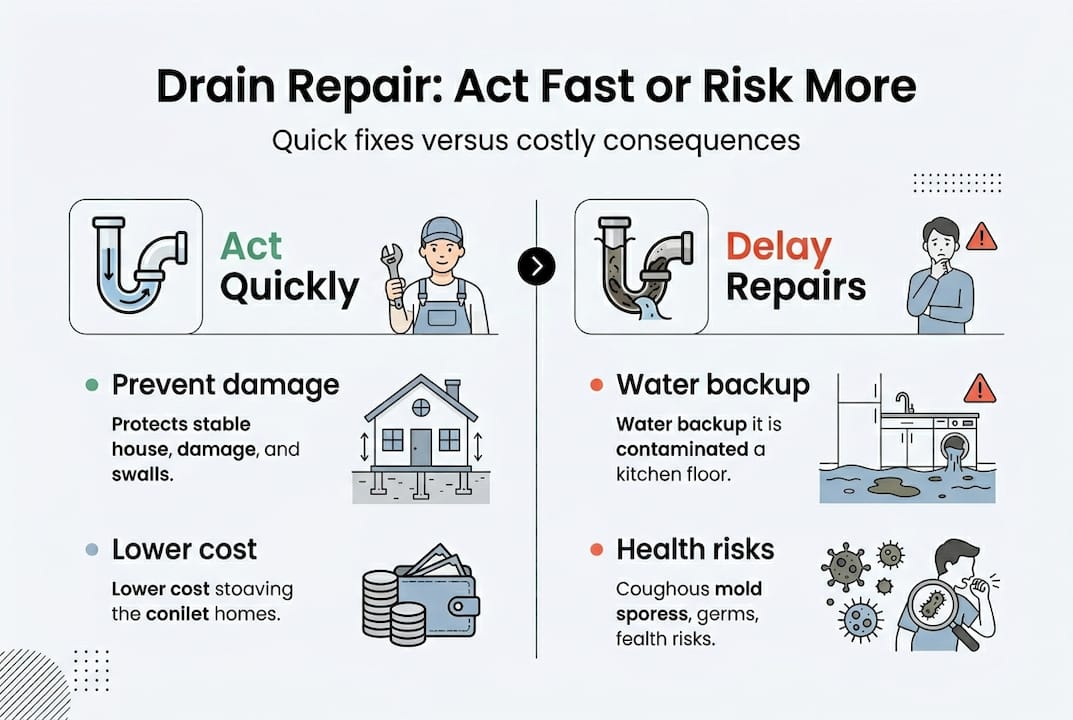
Delaying drain repair leads to higher costs as damage spreads beyond the initial problem area. What starts as localised deterioration becomes system-wide failure requiring extensive work.
Ignoring drainage problems doesn’t make them disappear. Every day of delay allows water damage, soil erosion, and structural compromise to advance. The £200 you save today by waiting often becomes £5,000 in emergency repairs tomorrow.
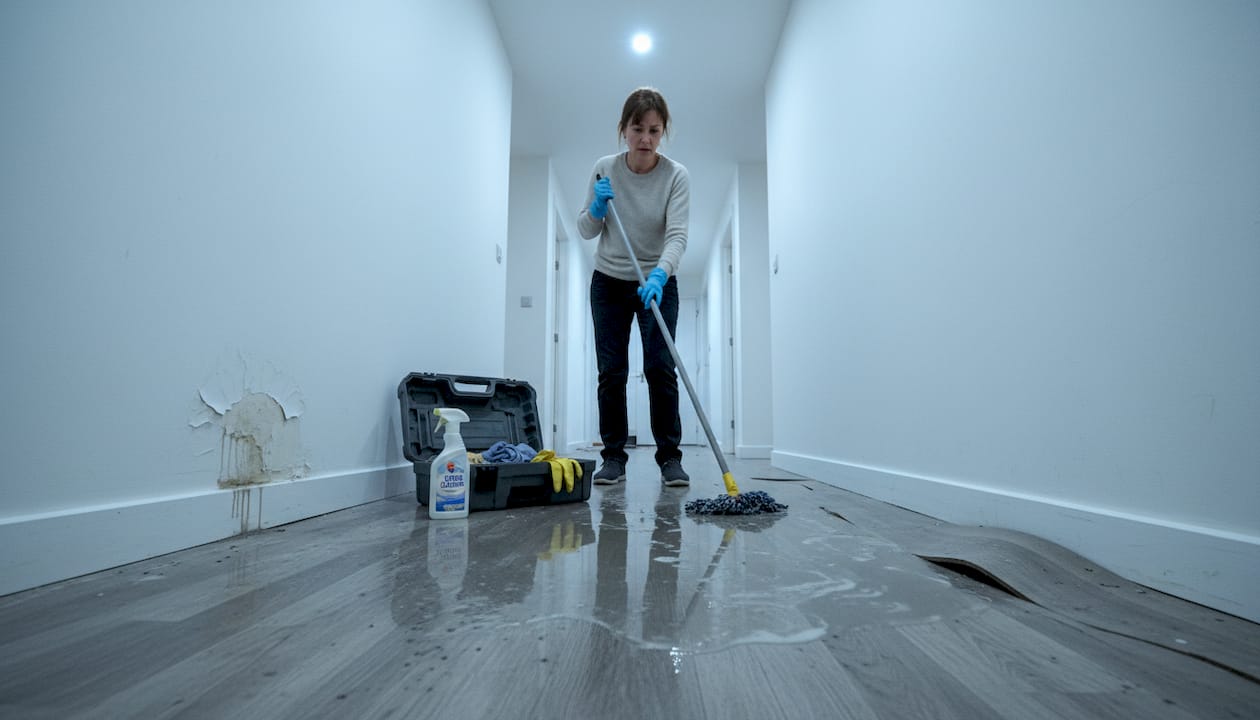
Water backing up into your home causes secondary damage to floors, walls, and foundations. Sewage contamination creates health hazards requiring professional decontamination. Insurance claims become complicated when delayed maintenance contributed to the damage. Acting promptly when you first notice symptoms protects both your property value and your family’s wellbeing.
How CCTV drain surveys guide accurate, effective repairs
Guessing at drainage problems wastes money on ineffective solutions. Modern CCTV technology eliminates uncertainty by providing clear visual evidence of what’s happening inside your pipes. A waterproof camera travels through your drainage system, recording high-definition footage that reveals blockages, cracks, root intrusion, and structural defects.
The inspection process takes one to three hours depending on system complexity. Technicians insert the camera through existing access points, avoiding unnecessary excavation. Real-time monitoring allows immediate identification of problem areas, with GPS tracking marking exact locations for targeted repairs. You receive a detailed report with timestamped footage showing every issue discovered.
This diagnostic precision matters enormously for aged drainage systems. CCTV drain surveys reveal whether your pipes can withstand aggressive clearing methods or require gentler approaches. Fragile pitch fibre pipes shatter under high-pressure water jetting, turning a simple blockage into catastrophic pipe failure. The survey identifies pipe material, condition, and structural integrity before any repair work begins.
Benefits of thorough inspection include:
- Pinpointing exact blockage locations without exploratory digging
- Identifying hidden damage invisible from surface symptoms
- Determining whether repairs or replacement offer better value
- Documenting pre-existing conditions for insurance purposes
- Planning efficient repairs that address root causes, not just symptoms
Pro Tip: Request a comprehensive CCTV drain survey guide before authorising any repair work. The upfront survey cost (typically £150-£300) saves thousands by preventing inappropriate repair methods that damage fragile pipes further.
Always perform CCTV assessments before deciding on repair methods for fragile drainage systems. Aged pipes respond differently to various clearing techniques. Mechanical snaking works well for soft blockages without risking pipe damage. Enzyme cleaners dissolve organic matter gradually without applying dangerous pressure. High-pressure jetting suits modern PVC pipes but destroys deteriorated pitch fibre and clay pipes common in older Poole properties.
The survey footage also reveals whether multiple issues exist beyond the immediate problem. You might call about a blocked toilet, only to discover tree roots have infiltrated three separate pipe sections. Addressing all issues simultaneously proves more cost effective than repeated callouts for problems that could have been resolved together.
Camera inspections provide peace of mind after repairs too. Post-repair surveys confirm work quality and document that your drainage system functions properly. This evidence protects you if problems recur, establishing whether new issues arose or repairs failed to address the original problem adequately.
Choosing between repair and replacement: expert considerations for aged drainage
Facing drainage problems forces a difficult decision: patch the existing system or invest in complete replacement? The right choice depends on pipe condition, damage extent, property plans, and budget constraints. Understanding these factors helps you make informed decisions that balance immediate costs against long-term value.
Several indicators suggest repairs suffice:
- Localised damage affecting less than 30% of the system
- Structurally sound pipes with isolated cracks or blockages
- Recent installation (within 15 years) using quality materials
- No plans for major property renovations soon
- Limited budget requiring phased improvements
Conversely, replacement becomes necessary when:
- Widespread deterioration affects multiple pipe sections
- Repeated repairs fail to resolve recurring problems
- Pipe material (pitch fibre, old clay) nears end of serviceable life
- Planning major renovations that expose drainage routes
- Property sale requires certified drainage system condition
| Repair Option | Typical Cost | Expected Lifespan | Best For |
|---|---|---|---|
| Patch lining | £150-£500 | 5-10 years | Small cracks, isolated damage |
| Sectional relining | £800-£1,500 | 15-25 years | Moderate deterioration, accessible sections |
| Full pipe relining | £2,000-£4,000 | 30-50 years | Good structural condition, widespread minor damage |
| Partial replacement | £2,500-£5,000 | 50+ years | Severely damaged sections, rest of system sound |
| Complete replacement | £4,000-£10,000 | 50-100 years | System-wide failure, outdated materials |
Repairing drains costs less short-term at £150-£1,500, but widespread deterioration makes replacement better long-term value despite higher initial expense of £4,000 or more. Calculate cost per year of service rather than just upfront price. A £5,000 replacement lasting 60 years costs £83 annually, whilst £1,200 repairs repeated every 8 years cost £150 annually.
Pro Tip: Consider your property timeline when choosing between modern drainage repair techniques and full replacement. Planning to sell within five years makes targeted repairs sensible. Staying long-term justifies replacement investment that eliminates ongoing drainage concerns.
Environmental factors also influence decisions. Replacement generates waste from removed pipes but provides decades of trouble-free service. Repairs preserve existing infrastructure but may require repeated interventions using additional materials and energy over time. Modern replacement pipes use recyclable materials and improved designs that reduce future maintenance needs.
Property value considerations matter too. Documented drainage system replacement adds appeal for potential buyers and supports asking prices. Conversely, visible patch repairs or recurring problems raise concerns during property surveys. Understanding types of drain repairs helps you communicate system condition accurately to estate agents and buyers.
Consult your CCTV survey results before finalising repair versus replacement decisions. The footage provides objective evidence of system condition, removing guesswork from this significant investment choice. Experienced drainage specialists interpret survey findings and recommend solutions balancing immediate needs with long-term practicality.
Practical steps to ensure lasting drain health after repairs
Successful repairs or replacement represent just the beginning of maintaining healthy drainage. Proper ongoing care prevents future problems and maximises your investment’s lifespan. These practical maintenance strategies keep your Poole property’s drainage system flowing smoothly for decades.
Establish regular maintenance routines:
- Flush drains weekly with hot water to dissolve grease and soap buildup
- Use enzyme-based cleaners monthly to break down organic matter naturally
- Inspect visible drain covers and grates quarterly for debris accumulation
- Schedule professional inspections every 18-24 months for early problem detection
- Document all maintenance activities and professional service visits
Protect your drainage system through mindful household habits. What goes down your drains directly impacts system health. Avoid disposing these items through sinks or toilets:
- Cooking oils, fats, and grease that solidify in pipes
- Coffee grounds that accumulate and form dense blockages
- Food scraps, even small particles from rinsing plates
- Hair, which tangles and traps other debris
- Wet wipes, cotton buds, and sanitary products labelled flushable
- Harsh chemical cleaners that damage pipe interiors
Pro Tip: Install drain guards in sinks and showers to catch hair and debris before they enter pipes. These inexpensive devices (£3-£8) prevent most common blockages and take seconds to empty weekly.
Using gentle cleaning methods like enzyme cleaners protects fragile pipes better than aggressive techniques. Enzyme products contain beneficial bacteria that digest organic waste without harsh chemicals or pressure. They work slowly but effectively, making them ideal for aged drainage systems requiring careful treatment.
Recognise warning signs indicating emerging problems:
- Slow drainage that gradually worsens over days or weeks
- Gurgling sounds when water drains or toilets flush
- Unpleasant odours from drains despite regular cleaning
- Water backing up in unexpected locations
- Damp patches or subsidence in gardens near drainage routes
- Multiple fixtures draining slowly simultaneously
These symptoms warrant immediate professional assessment. Catching problems early, when they’re still minor, prevents the escalating damage and costs discussed earlier. Don’t wait until complete blockages or backups force emergency callouts.
Maintain detailed records of your drainage system. Document repair work, inspection findings, and maintenance activities. This history helps professionals diagnose recurring issues and proves valuable for insurance claims or property sales. Photograph any visible drainage components and note their locations for future reference.
Seasonal considerations matter for Poole properties. Autumn leaf fall clogs gutters and surface drains, requiring extra vigilance. Winter freezing can crack pipes with residual water. Spring growth sends tree roots seeking moisture in drainage pipes. Summer heavy rainfall tests system capacity. Adjust your maintenance schedule to address these seasonal challenges proactively.
Consider professional maintenance contracts offering regular inspections and priority emergency response. These agreements typically cost £150-£300 annually but provide peace of mind and often include discounted repair rates. For properties with aged drainage systems or previous problems, this investment prevents costly surprises.
Educate everyone in your household about proper drainage care. Children especially need guidance about what belongs in toilets and sinks. Clear communication prevents well-meaning mistakes that cause blockages. Make safe drain unblocking tips accessible so family members know how to respond if minor issues arise.
When problems do occur despite preventive efforts, follow your drain cleaning workflow systematically. Start with simple solutions like plungers for isolated blockages. Progress to enzyme treatments for persistent slow drainage. Call professionals when DIY methods fail or symptoms suggest serious underlying issues. Never attempt repairs beyond your expertise, especially with aged pipe systems vulnerable to damage from improper techniques.
Get expert drain repair help in Poole today
Facing drainage problems feels overwhelming, but professional help resolves issues quickly and effectively. When you need emergency drain unblocking, experienced specialists respond rapidly to prevent damage escalation. Modern equipment and proven techniques clear blockages whilst protecting your pipes from harm.

Comprehensive services address every drainage need, from routine maintenance to complex repairs. Modern drainage repair techniques minimise disruption to your property whilst delivering lasting solutions. Trenchless relining restores pipes without extensive excavation, preserving gardens and driveways. CCTV surveys identify problems accurately before work begins, ensuring appropriate methods for your specific situation.
Ongoing support through regular drain cleaning workflows maintains system health between major services. Scheduled maintenance catches minor issues before they become emergencies, saving money and stress. Transparent pricing and detailed explanations help you understand exactly what work your property needs and why.
Frequently asked questions about prompt drain repairs in Poole
Why is it important to fix drains quickly?
Delayed repairs allow minor problems to escalate into major damage requiring expensive replacement rather than simple fixes. Water damage, structural compromise, and health hazards develop rapidly once drainage systems fail. Prompt action protects your property investment and prevents emergency situations.
How does a CCTV drain survey help?
CCTV drain surveys provide visual evidence of drainage problems without guesswork or unnecessary excavation. Cameras reveal exact blockage locations, pipe condition, and structural defects, allowing targeted repairs using appropriate methods for your pipe material and age. This diagnostic precision saves money by preventing inappropriate repair attempts that damage fragile systems.
What are typical costs for urgent repairs?
Simple blockage clearing costs £150-£300, whilst crack repairs with relining range from £800-£1,500. Partial pipe replacement runs £2,000-£5,000, and complete system replacement costs £4,000-£10,000 depending on property size and access challenges. Acting promptly keeps costs at the lower end by preventing damage escalation.
Can I perform drain repairs myself safely?
Simple maintenance like using plungers or enzyme cleaners works for minor blockages, but actual repairs require professional expertise and equipment. DIY attempts risk damaging aged pipes, especially pitch fibre systems common in older Poole properties. Incorrect repair methods often worsen problems, increasing eventual professional repair costs significantly.
How often should drains be inspected?
Professional inspections every 18-24 months catch developing problems early, particularly for properties with aged drainage systems or previous issues. Schedule inspections more frequently if you notice recurring slow drainage, unusual odours, or other warning signs. Regular maintenance prevents emergencies and extends system lifespan considerably.