
Most homeowners in Poole believe drain repairs inevitably mean torn up gardens, disrupted driveways, and substantial bills for weeks of excavation work. This outdated assumption costs property owners thousands in unnecessary expenses and stress. Modern non-intrusive drain repair methods have transformed how we maintain drainage systems, offering effective solutions without the traditional chaos. This guide explains what non-intrusive repair involves, explores proven techniques like relining and patch repairs, and shows you how to maintain your drains efficiently while avoiding costly excavations.
Table of Contents
- Key takeaways
- Understanding non-intrusive drain repair
- Core techniques used in non-intrusive drain repair
- Benefits of non-intrusive drain repair for Poole homeowners
- How to apply non-intrusive drain repair and maintain your drains
- Find expert non-intrusive drain repair services in Poole
- Frequently asked questions
Key Takeaways
| Point | Details |
|---|---|
| Non intrusive repair | Non intrusive drain repair avoids disruptive excavations by working from existing access points such as manholes or inspection chambers. |
| Relining and patching | Core techniques include relining with resin impregnated liners and patch repairs to seal cracks and restore flow. |
| Cost and disruption savings | Compared with traditional excavation, non intrusive methods can reduce total project costs by around forty per cent and shorten programmes. |
| Ideal for Poole homes | The approach suits Poole properties with space constraints, heritage considerations or established gardens. |
Understanding non-intrusive drain repair
Non-intrusive drain repair represents a fundamental shift in how we approach drainage maintenance. Rather than excavating your property to access damaged pipes, these modern drain repair methods work from existing access points like manholes or inspection chambers. Technicians insert specialised equipment and materials through these entry points, repairing pipes from the inside without disturbing your garden, driveway, or foundations.
Traditional excavation methods require digging trenches along the entire pipe route, removing soil, breaking through concrete or paving, then replacing and reinstating everything after repair. This process typically takes several days, creates substantial mess, and generates significant waste. The disruption affects daily routines, damages landscaping, and often requires additional trades to restore surfaces properly. Costs spiral quickly when you factor in excavation, disposal, pipe replacement, and reinstatement work.
Homeowners and property managers in Poole need drain repairs for various reasons. Ageing Victorian and Edwardian properties throughout the town contain clay pipes that crack over time. Tree roots penetrate these weakened sections, creating blockages and structural damage. Modern properties face different challenges, including ground movement, poor installation, or chemical corrosion from harsh cleaning products. Whatever the cause, addressing damage promptly prevents minor issues escalating into emergency situations requiring costly interventions.
The benefits of choosing non-intrusive methods extend beyond convenience:
- Minimal disruption: Your property remains functional throughout repairs, with no excavation equipment blocking access or creating safety hazards for family members and neighbours
- Cost effectiveness: Eliminating excavation and reinstatement work typically reduces total project costs by 40% whilst delivering comparable or superior durability to traditional replacement
- Environmental advantages: Less waste generation, reduced carbon emissions from machinery, and preservation of existing landscaping and established tree root systems
- Speed: Most non-intrusive repairs complete within a single day, restoring full drainage function quickly without extended project timelines
- Structural preservation: Historic properties maintain original features, and modern homes avoid foundation disturbance that can trigger subsidence or structural movement
These advantages make non-intrusive repair particularly valuable for Poole properties where space constraints, heritage considerations, or established gardens make excavation impractical or undesirable.
Core techniques used in non-intrusive drain repair
Drain relining stands as the most comprehensive non-intrusive repair method. Technicians insert a resin-impregnated liner through existing access points, positioning it precisely within the damaged pipe section. Once in place, they inflate the liner against the pipe walls and cure the resin using hot water, steam, or UV light. This process creates a new pipe within the old one, sealing cracks, preventing root ingress, and restoring structural integrity. Relining can save 40% on costs whilst offering a 50-year lifespan, making it exceptionally cost-effective for long-term drainage management.
The cured liner becomes a smooth, jointless pipe that resists corrosion and root penetration far better than traditional materials. Because the liner bonds to the host pipe, it actually strengthens the overall structure rather than simply patching damage. This technique works brilliantly for pipes ranging from 75mm to 300mm diameter, covering most domestic drainage applications from toilets and sinks through to main sewer connections.
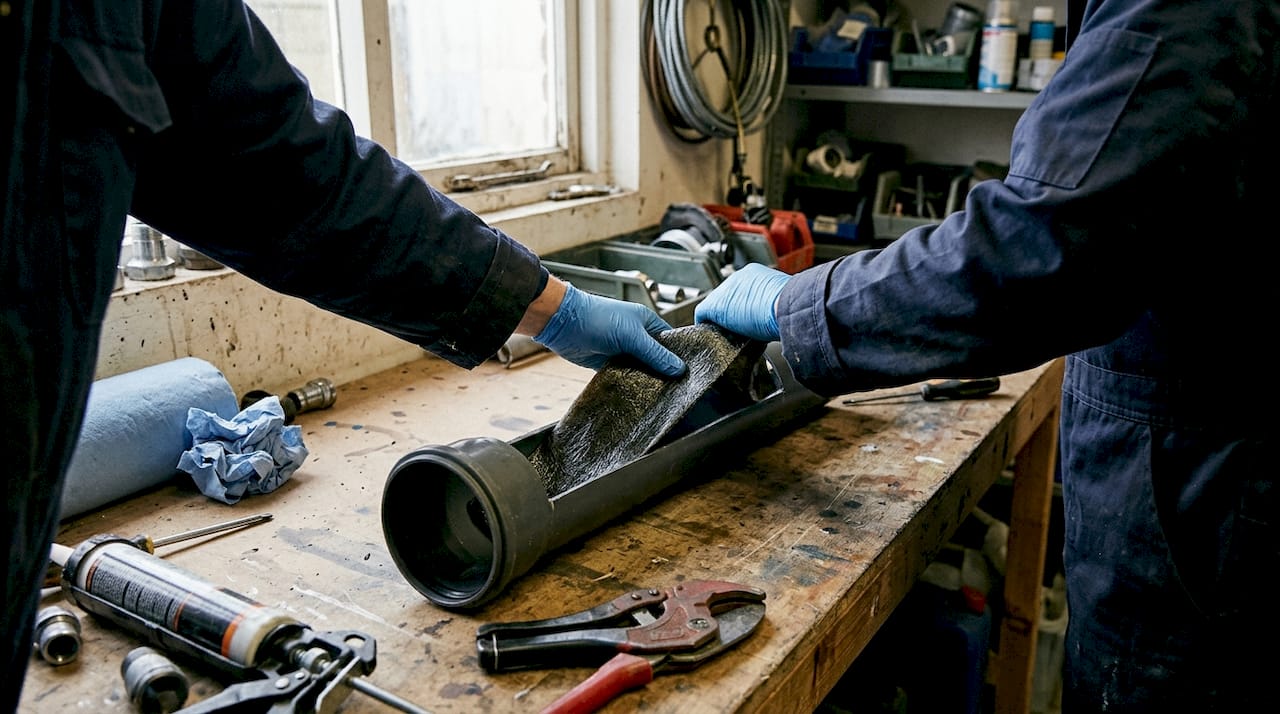
Patch repairs offer targeted solutions for localised damage without treating the entire pipe length. When CCTV surveys identify specific problem areas like a single crack or joint failure, technicians can insert a shorter resin patch to that exact location. This approach proves particularly economical for newer pipes with isolated damage, delivering the same sealing and strengthening benefits as full relining but using less material and completing faster. The patch process takes just hours, making it ideal for urgent repairs that cannot wait for scheduled maintenance windows.
Pro Tip: Always request a CCTV drain survey before committing to any repair method. Visual inspection reveals the exact nature, location, and extent of damage, ensuring you choose the most appropriate and cost-effective solution rather than guessing based on symptoms alone.
Different modern drainage repair techniques in Poole suit various scenarios:
| Technique | Best for | Duration | Lifespan | Relative cost |
|---|---|---|---|---|
| Full drain relining | Multiple defects, ageing pipes, extensive root damage | 4-8 hours | 50+ years | Medium |
| Patch repair | Single crack, isolated joint failure, localised root ingress | 2-4 hours | 50+ years | Low |
| Robotic cutting | Removing root intrusions, clearing joint protrusions | 1-3 hours | Varies | Low |
| Junction reinstatement | Reconnecting lateral connections after relining main pipes | 3-6 hours | 50+ years | Medium |
Robotic cutting technology complements repair methods by preparing pipes properly. Remote-controlled cutting heads remove stubborn root masses, grind away protruding joints, and clean pipe interiors before liner installation. This preparation ensures optimal adhesion and long-term performance. The robots navigate bends and junctions that manual tools cannot reach, providing thorough preparation without excavation.
These techniques work individually or in combination depending on your drainage system’s condition. A comprehensive approach might involve robotic root removal, followed by patch repairs at specific damage points, then full relining of severely degraded sections. Reviewing practical drainage repair examples helps you understand how professionals assess and address complex drainage issues systematically.
Benefits of non-intrusive drain repair for Poole homeowners
Property disruption creates the most immediate concern for homeowners considering drain repairs. Traditional excavation transforms gardens into construction sites, blocks vehicle access, and generates noise and dust that affects both your household and neighbours. Tenanted properties face additional complications, with repairs potentially requiring temporary relocation or rent reductions. Non-intrusive repair methods greatly reduce disruption and environmental impact, allowing normal property use throughout the repair process. Your family continues daily routines without navigating trenches or dealing with contractors constantly moving through living spaces.
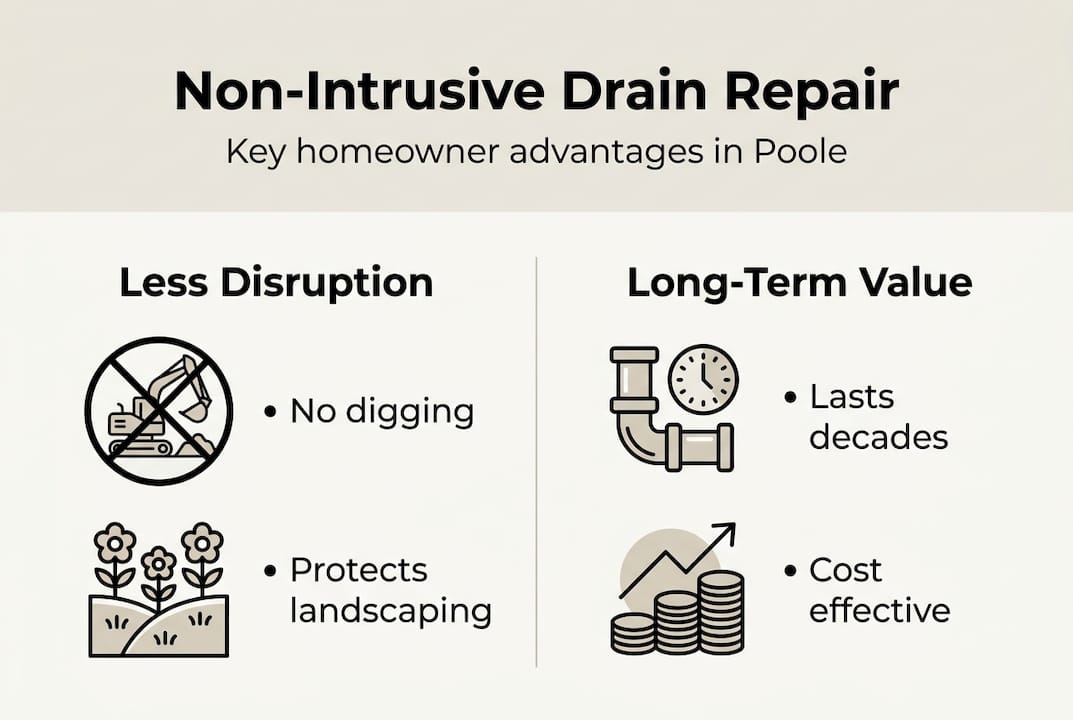
Cost effectiveness extends beyond the immediate repair invoice. Excavation projects require multiple specialists: groundworkers for digging, drainage engineers for pipe replacement, and landscapers or pavers for reinstatement. Each trade adds costs and coordination complexity. Material expenses include not just new pipes but also aggregate for bedding, concrete for reinstatement, and topsoil for garden restoration. Non-intrusive methods eliminate most of these elements, with a single specialist team completing the entire job using primarily the liner materials and curing equipment.
The financial advantage becomes particularly significant for properties with established landscaping, expensive paving, or difficult access. Replacing a mature garden after excavation costs thousands, whilst premium paving materials like natural stone or specialist concrete require exact matching that proves expensive or impossible. Non-intrusive repair preserves these features entirely, protecting your property investment whilst solving drainage problems effectively.
Environmental and community benefits matter increasingly to conscientious homeowners:
- Waste reduction: Traditional pipe replacement generates tonnes of broken clay or concrete pipe, excavated soil, and demolished paving that require disposal in landfill sites
- Carbon footprint: Eliminating excavation machinery, reducing material transportation, and avoiding new pipe manufacturing significantly lowers the repair’s environmental impact
- Ecosystem preservation: Tree roots and established plant systems remain undisturbed, maintaining garden ecology and preventing tree stress that excavation often causes
- Neighbourhood consideration: Reduced noise, dust, and traffic disruption shows respect for neighbours whilst maintaining property values through minimal visible construction activity
“The durability of modern relining technology has revolutionised drainage maintenance. We now provide homeowners with repairs that outlast traditional pipe replacement whilst causing a fraction of the disruption. The 50-year lifespan means most homeowners never face the same drainage problem again.”
Improved system performance represents the ultimate benefit. Relined pipes feature smooth, jointless interiors that promote better flow than original clay pipes with their rough surfaces and imperfect joints. This improved hydraulic performance reduces blockage frequency and helps prevent the slow drainage issues that plague older systems. The seamless construction eliminates the joint gaps where roots typically penetrate, providing long-term protection against the most common cause of drain damage in Poole’s tree-lined streets.
Recognising signs of blocked drains early allows you to address problems before they escalate into emergencies requiring urgent intervention. Regular monitoring combined with professional maintenance keeps your drainage system functioning optimally, maximising the return on your repair investment.
How to apply non-intrusive drain repair and maintain your drains
Arranging professional non-intrusive drain repair follows a straightforward process that ensures appropriate solutions for your specific drainage issues:
-
Initial assessment: Contact a drainage specialist to describe your symptoms, whether slow drainage, recurring blockages, unpleasant odours, or visible damage. They will schedule a convenient inspection appointment, typically within 24-48 hours for non-emergency situations.
-
CCTV survey: Technicians perform a comprehensive video inspection of your drainage system, inserting camera equipment through existing access points to examine pipe condition throughout. Drain CCTV surveys help detect issues early to avoid costly repairs, identifying precise damage locations, severity, and underlying causes.
-
Detailed quotation: Based on survey findings, you receive a comprehensive quote outlining recommended repair methods, expected duration, guaranteed lifespan, and total costs. Reputable specialists provide transparent pricing without hidden charges or call-out fees.
-
Repair scheduling: Once you approve the quotation, the specialist schedules repair work at your convenience. Most non-intrusive repairs complete within a single day, though complex projects involving multiple pipes or extensive damage may require longer.
-
Completion verification: After repair, technicians conduct a final CCTV inspection confirming proper installation and system integrity. You receive before and after footage documenting the transformation, plus warranty documentation covering the repair work.
Preparing your property facilitates efficient repair work and ensures optimal results. Clear access to manholes and inspection chambers by removing plant pots, garden furniture, or stored items. Inform household members about the repair schedule so they can plan bathroom use accordingly, particularly if work affects your main sewer connection. For extensive projects, consider arranging alternative facilities if multiple drains require simultaneous attention.
Proactive maintenance prevents future drainage problems and extends your system’s operational life significantly:
- Mindful disposal: Never flush anything except toilet paper and human waste. Items marketed as “flushable” like wet wipes actually cause blockages and damage. Kitchen sinks should not receive fats, oils, or food waste that solidify within pipes.
- Regular flushing: Monthly hot water flushes help dissolve soap residue and organic buildup before they accumulate into blockages. Pour a kettle of boiling water down each drain, followed by cold water to flush debris through.
- Enzyme treatments: Biological drain cleaners containing beneficial bacteria break down organic matter naturally without the pipe damage harsh chemical cleaners cause. Monthly treatments maintain clear pipes between professional services.
- External vigilance: Monitor external drains and gullies, clearing leaves and debris before they enter the system. Ensure drain covers remain intact and properly seated to prevent foreign objects entering.
- Professional inspections: Schedule CCTV surveys every 3-5 years even without obvious problems. Early detection of developing issues allows planned maintenance rather than emergency repairs, saving money and stress.
Understanding when to contact professionals prevents minor issues escalating into major problems. Persistent slow drainage despite DIY clearing attempts indicates underlying structural issues requiring expert assessment. Multiple drains blocking simultaneously suggests main sewer problems beyond household fixes. Unpleasant odours, especially outside normal trap seal evaporation, often signal cracked pipes allowing sewer gases to escape. Unusual sounds like gurgling when using fixtures indicate ventilation or drainage flow problems needing professional diagnosis.
Consulting a CCTV drain surveys guide helps you understand what inspections reveal and how to interpret findings for informed decision making. For homeowners comfortable with basic maintenance, exploring effective DIY drain repair solutions provides techniques for addressing minor issues before they require professional intervention.
Pro Tip: Maintain a drainage logbook documenting inspection dates, findings, repairs performed, and warranty information. This record helps you track system condition over time, optimises maintenance scheduling, and provides valuable information for future property sales or insurance claims related to drainage issues.
Establishing a relationship with a trusted drainage specialist before emergencies arise ensures rapid response when urgent problems develop. Many companies offer maintenance contracts providing regular inspections, priority emergency callout, and discounted repair rates, delivering peace of mind and long-term cost savings for proactive property managers.
Find expert non-intrusive drain repair services in Poole
When drainage problems affect your Poole property, accessing specialist non-intrusive repair services ensures effective solutions without unnecessary disruption. Professional drainage engineers combine advanced technology with extensive local experience, understanding the unique challenges posed by Poole’s diverse housing stock from Victorian terraces to modern developments. Their expertise in modern drain repair methods delivers lasting solutions tailored to your specific drainage system and property requirements.
Comprehensive services include CCTV surveys identifying exact problem locations, relining and patch repairs addressing structural damage, and preventative maintenance programmes keeping your drains functioning optimally year-round. Emergency response teams operate 24/7, providing rapid assistance when urgent blockages or failures threaten your property. Transparent pricing without hidden charges or call-out fees ensures you understand costs upfront, making informed decisions about your drainage investment. Whether you need routine inspection, planned repair work, or immediate emergency assistance, specialist drainage services deliver professional solutions with minimal inconvenience. Explore the complete emergency drain unblocking workflow to understand how rapid response services protect your property when urgent drainage problems strike.
Frequently asked questions
What exactly is non-intrusive drain repair?
Non-intrusive drain repair fixes damaged pipes from inside using inserted liners or patches, avoiding excavation entirely. Technicians access your drains through existing manholes or inspection chambers, positioning repair materials precisely at damage locations. The process creates a new, durable pipe within the old one without disturbing your property’s surface, gardens, or structures.
How long do non-intrusive drain repairs last?
Properly installed drain liners typically last 50 years or more, often outlasting traditional pipe replacements. The resin materials resist corrosion, root penetration, and ground movement that damage conventional pipes. Most specialists provide substantial warranties covering their work, reflecting confidence in the technology’s longevity and performance under normal operating conditions.
Can non-intrusive methods fix all types of drain damage?
Non-intrusive techniques effectively address cracks, root ingress, corrosion, joint failures, and structural deterioration in pipes ranging from 75mm to 300mm diameter. However, completely collapsed pipes or severely misaligned sections may require excavation for proper repair. A CCTV survey determines whether your specific damage suits non-intrusive solutions or needs alternative approaches.
How much does non-intrusive drain repair cost compared to excavation?
Non-intrusive repairs typically cost 40% less than traditional excavation methods when you factor in digging, pipe replacement, and reinstatement work. Exact savings depend on your property’s specific circumstances, including pipe depth, access difficulty, and surface materials requiring restoration. Most specialists provide detailed quotations comparing both approaches, helping you make informed financial decisions.
Will drain relining reduce my pipe diameter significantly?
Modern relining materials add only 3-6mm to pipe walls, causing minimal diameter reduction that rarely affects drainage performance. The smooth, jointless interior surface actually improves flow compared to rough, damaged original pipes. For most domestic applications, any theoretical capacity reduction is offset by enhanced hydraulic efficiency, maintaining or improving overall drainage function.
How quickly can non-intrusive drain repairs be completed?
Most non-intrusive repairs complete within 4-8 hours for full relining or 2-4 hours for patch repairs, restoring drainage function the same day. Complex projects involving multiple pipes or extensive damage may require longer, though rarely exceeding two days. This speed dramatically reduces disruption compared to excavation projects that typically take several days or weeks including reinstatement work.