
Blocked drains contribute far more to local flooding than most Poole homeowners realise. When gullies clog with debris, grease, or tree roots, they lose up to half their drainage capacity, turning routine rainfall into damaging floods that threaten foundations, gardens, and interiors. This guide explains how blockages worsen flooding in Poole’s unique Victorian drainage network, the financial risks of neglect, and practical steps you can take immediately to safeguard your property from water damage.
Table of Contents
- Key takeaways
- How blocked drains worsen flooding risk in Poole
- Financial and property risks of neglecting blocked drains in Poole
- How Poole council and homeowners share responsibility for drain maintenance
- Practical steps to prevent flooding caused by blocked drains at your Poole property
- Protect your Poole home with expert drain services
- Frequently asked questions
Key Takeaways
| Point | Details |
|---|---|
| Stormwater interception reduced | Blockages can cut intercepted stormwater by 7 to 50 per cent, raising flood depths and expanding surface water on roads and pavements. |
| Property damage and devaluation | Ignoring blocked drains leads to flooding that damages foundations and interiors and can cause property values in Poole to fall by up to 10 to 15 per cent when flooding history is known. |
| Regular inspection reduces risk | Regular professional inspection and maintenance significantly lowers flood risk and reduces repair costs compared with reactive repairs. |
| Public versus private drains | Public drains are maintained by Poole Council, while private drains fall under homeowner responsibility. |
| Prevention methods | CCTV surveys and professional jetting are recommended, and DIY chemical fixes should be avoided to protect ageing pipes. |
How blocked drains worsen flooding risk in Poole
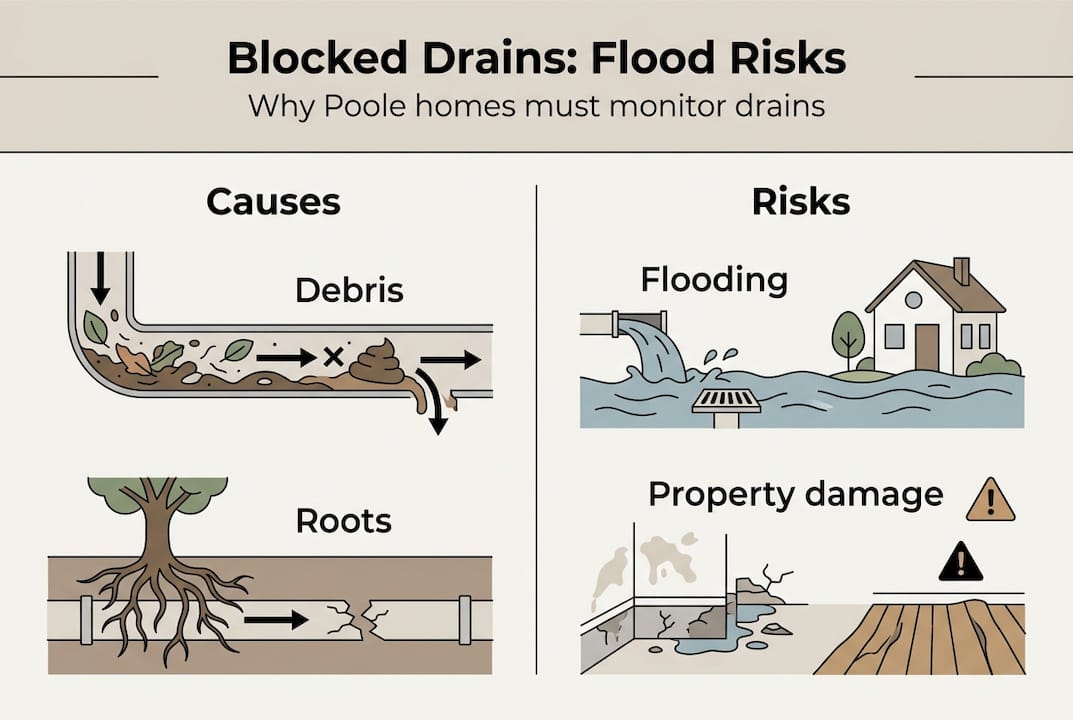
A blocked drain occurs when debris, grease, tree roots, or silt accumulate inside pipes or gullies, restricting water flow. In Poole, the main culprits include fat and oil solidifying in kitchen waste pipes, invasive tree roots penetrating Victorian-era clay pipes, and harbour silt washing into street gullies during storms. When these blockages form, they transform your drainage system from a protective barrier into a flooding liability.
Research shows that blocked drains reduce intercepted stormwater volumes by 7-50% depending on clogging severity, leading to increased flood depths and surface areas. Even partial blockages create dangerous conditions. A gully clogged 30% loses nearly a third of its capacity, meaning more water pools on roads and pavements instead of flowing safely away. Complete blockages turn gullies into decorative features that contribute nothing during the storms when you need them most.
| Blockage severity | Volume reduction | Flood risk increase |
|---|---|---|
| Light (10-25% clogged) | 7-15% capacity loss | Minor pooling, slow drainage |
| Moderate (25-50% clogged) | 15-30% capacity loss | Significant surface water, garden flooding |
| Severe (50-75% clogged) | 30-45% capacity loss | Property threshold flooding, road closures |
| Complete (75-100% clogged) | 45-50% capacity loss | Major flooding, structural damage risk |
The consequences extend beyond immediate flooding. When drains block, water backs up through the system, creating pressure that can crack older pipes and force sewage backwards into properties. During heavy rainfall, blocked gullies cause water to pool on roads and pavements, then flow downhill towards homes. Drainage capacity declines rapidly when river level exceeds 1-2 times outlet diameter, worsening flooding due to blockages, a particular concern in low-lying Poole areas near the harbour where high tides coincide with storms.
Several factors make Poole especially vulnerable to blockage-related flooding:
- Harbour silt and sand wash into street drains during coastal storms, creating stubborn clogs that resist simple flushing
- Victorian drainage infrastructure uses narrow clay pipes prone to root penetration and collapse
- Heavy autumn rainfall overwhelms systems already compromised by summer debris accumulation
- Mature trees throughout residential areas send roots seeking moisture inside drain pipes
Pro Tip: Regular professional cleaning protects ageing pipes far better than DIY chemical treatments. Harsh drain cleaners corrode Victorian-era clay and cast iron pipes, creating weak spots that eventually crack and worsen flooding problems. Professional jetting removes blockages without damaging your drainage infrastructure, especially important for protecting Poole properties with older pipework. Understanding why drains get blocked helps you prevent problems before they escalate into flooding emergencies.
Financial and property risks of neglecting blocked drains in Poole
Ignoring blocked drains creates immediate threats to Poole homes. Flooding from clogged drains saturates foundations, causing subsidence that cracks walls and distorts door frames. Water penetration damages interior finishes, ruins carpets and furniture, and creates damp conditions perfect for mould growth. In severe cases, standing water undermines structural supports, requiring extensive underpinning work costing tens of thousands of pounds.
The financial impact hits homeowners hard. Untreated blockages cause £2,500-£8,000 in annual emergency repairs versus £200-£400 for maintenance, while property values drop 10-15% when flooding history becomes known. Emergency callouts during weekend floods cost double or triple standard rates, and water damage repairs require specialist drying equipment, replastering, redecorating, and often replacing electrical systems exposed to moisture.
“Emergency drain repairs cost 10-20 times more than routine maintenance. A £250 annual inspection and cleaning service prevents £5,000 flood damage repairs, yet most homeowners only call professionals after water enters their property.”
Insurance complications add another layer of financial pain. Insurers increasingly refuse cover for properties with repeated drainage-related flood claims, or impose premiums so high they become unaffordable. Even when covered, excess payments of £500-£1,000 per claim quickly accumulate, and future premiums rise substantially after flood damage.
Key financial risks facing Poole homeowners include:
- Emergency repair bills averaging £3,500 for flood damage from blocked drains
- Emergency drainage callout fees of £200-£400 during storms and weekends
- Insurance excess payments and premium increases totalling thousands over subsequent years
- Property devaluation of 10-15% when flood history appears on searches
- Lost rental income if investment properties become uninhabitable during repairs
- Health costs from mould-related respiratory problems after damp penetration
Recognising warning signs allows intervention before flooding occurs. Watch for these indicators that blocked drains need urgent attention:
- Slow drainage from sinks, baths, or toilets suggesting partial blockages building up
- Gurgling sounds from drains when water flows, indicating air trapped by obstructions
- Foul odours from drains caused by decomposing organic matter stuck in pipes
- Water pooling in gardens or driveways after moderate rainfall
- Visible debris or vegetation growing from gully grates
- Damp patches on internal walls near ground level
The contrast between prevention and cure could not be starker. Annual maintenance through professional drain services costs a fraction of emergency repairs, yet most homeowners wait until water floods their property before taking action. This reactive approach transforms affordable maintenance into financial catastrophe, especially given effective repair solutions exist when problems are caught early.
How Poole council and homeowners share responsibility for drain maintenance
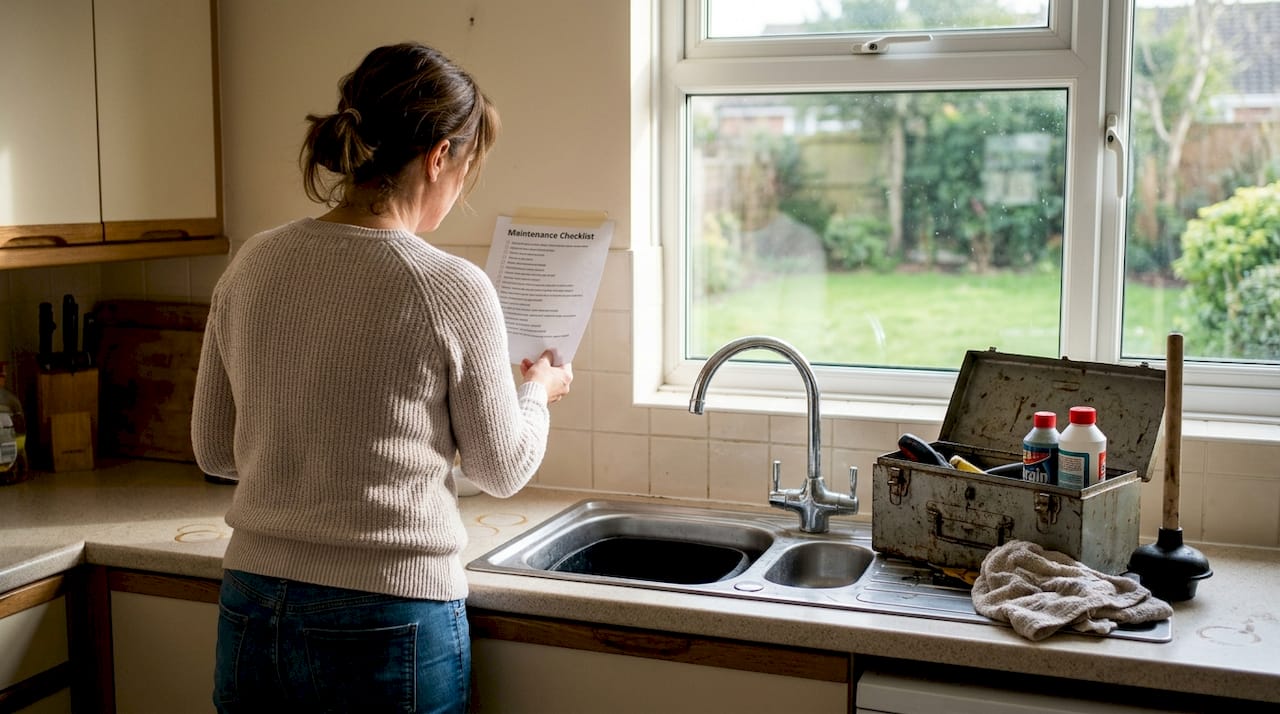
Understanding who maintains which drains prevents dangerous gaps in coverage. Poole Council maintains 58,000+ gullies on a 2-4 year cycle but prioritises emergencies, meaning your street gullies might not receive attention for years unless flooding occurs. The Council focuses on public highway drainage, clearing gullies and maintaining roadside systems that prevent traffic disruption.
Homeowners carry complete responsibility for private drains serving their property. This includes all pipework within your boundary, lateral drains connecting your home to the public sewer, and any gullies or soakaways in your garden. Even if your drain eventually connects to the public system, everything up to that connection point remains your responsibility to inspect, maintain, and repair.
The Council’s maintenance schedule operates on risk-based prioritisation. High-traffic roads and known flooding hotspots receive more frequent attention, while residential side streets often wait the full four years between routine clears. Emergency responses happen when blocked drains cause immediate flooding or safety hazards, but prevention remains largely down to property owners.
Best practices for homeowner drain inspection and maintenance include:
- Conduct visual checks of external gullies and drains monthly, removing visible debris
- Schedule annual CCTV drain surveys to identify hidden blockages before they cause flooding
- Clear gutters and downpipes quarterly to prevent overflow saturating ground drains
- Avoid pouring fats, oils, or food waste down kitchen sinks where they solidify
- Install drain guards over external gullies to catch leaves and prevent blockages
- Keep records of drain layouts and inspection reports for future reference
Pro Tip: Schedule CCTV drain surveys annually to catch early root ingress or grease blockages before they cause flooding. Camera inspections reveal problems invisible from the surface, including hairline cracks where roots enter, partial collapses restricting flow, and grease deposits building towards complete blockage. Early detection allows targeted repairs costing hundreds rather than emergency excavations costing thousands.
Poole’s ageing Victorian drainage infrastructure increases inspection importance. Clay pipes installed 100-150 years ago were never designed for modern usage levels or the fats and chemicals we now pour down drains. These pipes crack with ground movement, allowing tree roots to penetrate and create stubborn blockages that worsen gradually over months. Regular inspection catches these problems while they remain manageable, preventing the catastrophic failures that cause severe flooding.
The division between public and private responsibility sometimes confuses homeowners. If you report a blocked drain to the Council and they determine it sits on private property, they will not clear it regardless of flooding risk. Understanding your drainage layout and maintenance obligations protects you from assuming the Council will prevent flooding when that responsibility actually falls to you.
Practical steps to prevent flooding caused by blocked drains at your Poole property
Taking immediate action protects your property from blockage-related flooding. Follow these steps in order of priority:
- Conduct monthly visual inspections of all external drains, gullies, and grates, removing leaves, twigs, and visible debris by hand
- Clear gutters and downpipes quarterly, ensuring rainwater flows freely away from your property rather than overwhelming ground drains
- Remove nearby rubbish and vegetation that could wash into drains during storms, including grass clippings and garden waste
- Schedule professional high-pressure jetting annually to clear grease, silt, and early-stage root intrusion before blockages form
- Book CCTV drain surveys every 12-18 months to identify structural problems and hidden blockages requiring targeted repair
- Install backwater valves on ground-floor drains to prevent sewage backing up during flood events
Different blockage types require specific removal methods. Chemical treatments rarely work effectively and often damage pipes, while mechanical and professional approaches provide reliable solutions:
| Blockage cause | DIY chemical | Professional jetting | Root cutting | Effectiveness |
|---|---|---|---|---|
| Grease/fat buildup | Poor, damages pipes | Excellent, removes completely | Not applicable | Jetting removes grease safely |
| Tree root intrusion | Ineffective, roots regrow | Temporary only | Excellent, prevents regrowth | Root cutting plus barrier needed |
| Debris/silt | Minimal effect | Excellent, clears thoroughly | Not applicable | Jetting ideal for solid blockages |
| Collapsed pipe | No effect | No effect | No effect | Requires excavation and replacement |
DIY chemical drain cleaners create more problems than they solve in Poole’s Victorian drainage infrastructure. Caustic formulas corrode clay pipes and cast iron joints, creating weak spots that crack under pressure during storms. These chemicals also kill beneficial bacteria in septic systems and soakaways, reducing their effectiveness. Professional services use high-pressure water jetting that removes blockages without chemical damage, protecting your pipes while clearing obstructions completely.
Pro Tip: Backwater valves and flood protection devices require regular maintenance to function during emergencies. These mechanical devices prevent sewage flowing backwards into your property when drains surcharge during flooding, but they contain flaps and seals that stick or corrode if neglected. Test backwater valves quarterly by running water and checking they close properly, and have professionals service them annually to ensure reliable operation when you need protection most.
CCTV drain surveys identify hidden blockages before they cause flooding. Camera inspections reveal problems including:
- Root masses growing inside pipes that will soon cause complete blockage
- Grease deposits narrowing pipe diameter and slowing drainage
- Cracks and joint separations where ground movement has damaged pipes
- Collapsed sections requiring excavation and replacement
- Incorrect falls where pipes slope the wrong direction, causing standing water
Knowing when to call professionals versus attempting home interventions prevents making problems worse. Contact drainage specialists immediately if you experience repeated backups, water flooding from external gullies, foul odours persisting after cleaning, or visible structural damage to drains. Safe home interventions include removing surface debris, clearing gully grates, and using drain rods for shallow blockages within a few metres of access points.
Professional drain unblocking procedures combine camera surveys, high-pressure jetting, and mechanical root cutting to resolve blockages completely. This comprehensive approach identifies the blockage location and cause, removes the obstruction without damaging pipes, and verifies clear flow before completion. Following safe unblocking methods prevents the pipe damage and incomplete clearing that often result from DIY attempts, giving you confidence your drainage system will handle the next storm.
Protect your Poole home with expert drain services
Timely professional drain care prevents the flooding damage that costs thousands to repair. Regular inspections catch problems while they remain minor, affordable fixes rather than major emergencies requiring excavation and reconstruction. Expert services including CCTV surveys, professional cleaning, and emergency unblocking give you confidence your drainage system will protect your property when storms arrive.

Pro Tip: Booking regular inspections and taking immediate action on blockages saves thousands in future repairs. Annual maintenance costs £200-£400 but prevents £5,000+ flood damage, making it the most cost-effective property protection investment available. The detailed drain unblocking procedures and emergency workflows available through specialist services ensure rapid response when urgent problems arise, minimising damage and disruption to your household.
Exploring comprehensive CCTV survey guidance helps you understand what inspections reveal and how early detection prevents flooding. Professional drainage specialists combine decades of experience with modern technology to identify and resolve blockages before they threaten your property, offering peace of mind that your home remains protected from water damage.
Frequently asked questions
What causes blocked drains in Poole?
The most common causes include grease and fat solidifying in kitchen pipes, tree roots penetrating Victorian clay drains, and harbour silt washing into street gullies during coastal storms. Heavy rainfall overwhelms systems already compromised by debris accumulation, while mature trees throughout residential areas send roots seeking moisture inside pipes. Understanding why drains get blocked helps property owners take preventive action before flooding occurs.
Who is responsible for blocked drains, homeowners or the council?
Homeowners carry complete responsibility for all drains within their property boundary and lateral connections to the public sewer. Poole Council maintains public highway gullies and roadside drainage on a 2-4 year cycle, prioritising emergencies over routine maintenance. If a blocked drain sits on private property, the Council will not clear it regardless of flooding risk, making regular inspection and maintenance essential for property protection.
How can I tell if my property’s drains are blocked?
Watch for slow drainage from sinks and toilets, gurgling sounds when water flows, and foul odours from drains. Visible signs include water pooling in gardens after moderate rain, debris accumulating on gully grates, and damp patches on internal walls near ground level. These indicators suggest blockages building that will cause flooding if left untreated, requiring professional inspection to assess severity and prevent damage.
What maintenance can prevent flood risks from blocked drains?
Regular gutter clearance prevents overflow saturating ground drains, while professional jetting removes grease and silt before complete blockages form. Annual CCTV drain surveys identify hidden problems including root intrusion and structural damage, allowing targeted repairs before flooding occurs. Avoid harsh chemical cleaners that corrode Victorian pipes, and never pour fats or food waste down drains where they solidify and create stubborn blockages.
When should I call a professional drain service?
Contact drainage specialists immediately when home remedies fail, water backs up repeatedly, or flood signs appear around your property. Professional help becomes essential for blockages beyond a few metres from access points, when CCTV inspection reveals structural damage, or if you experience sewage backing up during storms. Rapid response reduces repair costs substantially, as effective unblocking procedures prevent minor problems escalating into major flooding that damages foundations and interiors.