
Recurring drains problems often leave Poole homeowners frustrated and worried about mounting repair bills. With historic properties across Poole struggling to keep up with modern standards, old pipework and decades of wear create the perfect conditions for stubborn blockages and structural faults. Approximately 75% of sewer blockages result from everyday materials poured or flushed down drains. This guide highlights practical ways to tackle these persistent issues, helping you protect your home and save money on costly damage.
Table of Contents
- What Is A Blocked Drain? Essential Facts
- Everyday Causes Of Drain Blockages
- Problems Unique To Older Poole Homes
- Risks And Costs Of Ignoring Blockages
- How To Prevent Blocked Drains Effectively
Key Takeaways
| Point | Details |
|---|---|
| Understanding Drain Responsibilities | Homeowners in Poole are typically responsible for internal pipe blockages, while water companies manage lateral drains and main sewer lines. |
| Preventative Measures | Implementing simple practices like using sink strainers and proper waste disposal can significantly reduce the risk of blockages. |
| Risks of Neglect | Ignoring drainage issues can lead to costly repairs and significant property damage, highlighting the importance of regular inspections. |
| Challenges in Older Properties | Historic homes in Poole often face unique drainage issues due to outdated materials and structural vulnerabilities, necessitating careful maintenance. |
What Is A Blocked Drain? Essential Facts
A blocked drain is a common household problem where water cannot smoothly flow through a property’s drainage system due to various obstructions. These blockages can occur in different locations, including internal pipes, external connections, and main sewer lines. In Poole’s historic properties with older pipework, understanding drain blockages becomes particularly crucial.
Blockages typically arise from several key sources:
- Inappropriate materials flushed down toilets or sinks
- Accumulation of cooking oils and grease
- Natural debris like leaves and tree roots
- Mineral build-up in older pipes
- Structural pipe damage
Understanding drain responsibilities is critical for Poole homeowners. Drainage system maintenance guidelines indicate that drains within property boundaries are typically the homeowner’s responsibility, while lateral drains and main sewers are usually managed by water companies.
Here’s a summary of common drainage system issues and who holds responsibility for repairs in Poole:
| Type of Drainage Issue | Typical Location | Responsible Party |
|---|---|---|
| Internal pipe blockage | Inside property boundary | Homeowner |
| Lateral drain obstruction | Beyond property boundary | Water company |
| Main sewer line failure | Public sewer network | Water company |
| Pipe damage on private land | Within garden or driveway | Homeowner |
| Tree root infiltration | Across boundaries | Shared (case-dependent) |
The consequences of unaddressed blocked drains can be significant, potentially leading to:
- Structural water damage
- Unpleasant odours
- Potential health hazards
- Expensive repair costs
- Decreased property value
Pro-Tipp: Regularly inspect your drainage system and avoid disposing of inappropriate materials to prevent potential blockages.
Everyday Causes Of Drain Blockages
Drain blockages in Poole homes can emerge from a variety of everyday activities and household habits. Approximately 75% of sewer blockages stem from improper disposal of materials, making prevention a crucial aspect of maintaining healthy drainage systems.
The most common culprits behind drain blockages include:
- Cooking fats and oils poured down kitchen sinks
- Wet wipes and sanitary products flushed down toilets
- Food waste and kitchen debris
- Hair and personal hygiene products
- Foreign objects accidentally dropped into drains
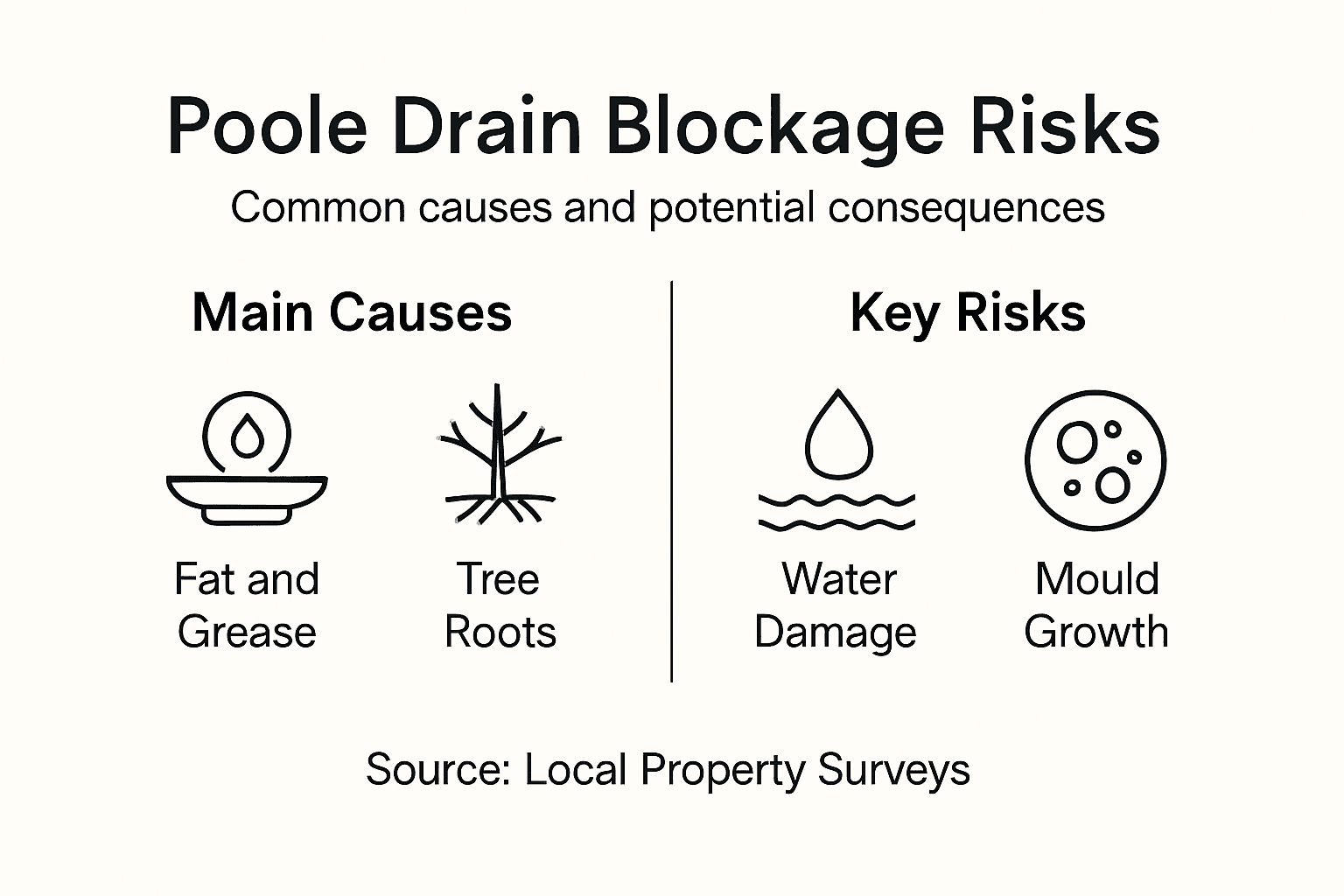
In Poole’s older properties, additional challenges arise from structural issues like pipe deterioration and tree root intrusion. These natural and man-made obstacles can significantly complicate drainage systems, creating persistent blockage risks.
Understanding the specific materials that cause problems is essential. Fats, oils, and grease (FOG) are particularly problematic, as they solidify within pipes, gradually building up and restricting water flow. Similarly, non-biodegradable items like wet wipes create significant obstructions, even when marketed as ‘flushable’.
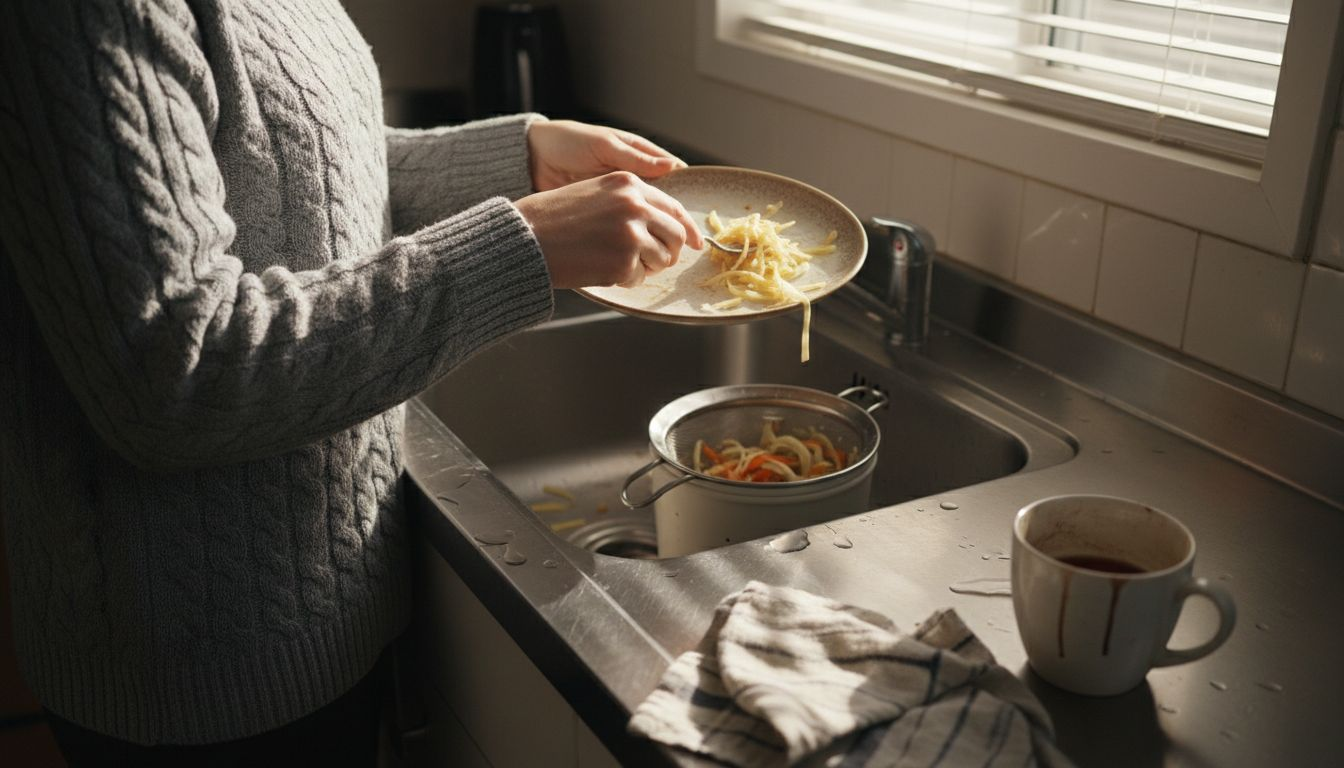
Pro-Tipp: Install sink strainers and implement a strict ‘no grease down the drain’ policy to dramatically reduce the risk of blockages.
Problems Unique To Older Poole Homes
Poole’s historic properties present distinctive challenges for drainage systems, particularly those dating back decades. Older homes frequently face structural vulnerabilities that can significantly impact their drainage infrastructure.
Key drainage challenges in older Poole homes include:
- Original clay pipe networks prone to cracking
- Deteriorating underground pipe connections
- Narrow pipe diameters restricting water flow
- Weak pipe joints vulnerable to tree root penetration
- Insufficient slope in drainage systems
The architectural heritage of Poole means many properties were constructed using traditional building techniques that predated modern drainage standards. These older structures often have intricate stonework and original plumbing systems that require specialist understanding and sensitive maintenance approaches.
The following table contrasts modern and older drainage systems, highlighting key vulnerabilities in historic Poole homes:
| Drainage System Age | Common Materials | Main Weaknesses |
|---|---|---|
| Modern (Post-1980) | PVC, plastic | Rare tree root issues |
| Early 20th Century | Cast iron, clay | Corrosion, cracking |
| Victorian or older | Clay, stone, lead | Narrow pipes, instability |
Traditional construction methods can create unique drainage vulnerabilities. Cast iron pipes, common in properties from the early 20th century, are particularly susceptible to corrosion and gradual structural deterioration. Tree roots can exploit even the smallest structural weaknesses, gradually infiltrating and compromising drainage infrastructure.
Pro-Tipp: Consider periodic professional drainage surveys to identify potential structural weaknesses before they become critical repair issues.
Risks And Costs Of Ignoring Blockages
Ignoring drainage issues can transform minor inconveniences into catastrophic and expensive emergencies for Poole homeowners. Drain blockages can quickly escalate into serious property damage if left unaddressed, potentially causing extensive structural and financial consequences.
The potential financial risks of neglecting drainage problems include:
- Structural damage to property foundations
- Flooding causing extensive interior damage
- Expensive emergency repair costs
- Potential reduction in property market value
- Health hazards from water contamination
Water backing up through blocked pipes can create significant pressure, potentially leading to pipe ruptures or complete system failures. Such catastrophic events might require complete drainage system replacement, which can cost thousands of pounds and disrupt household life for extended periods.
Moreover, prolonged blockages create secondary complications like mould growth, persistent dampness, and potential foundation weakening. These issues can compromise not just the drainage system, but the entire structural integrity of a property, leading to complex and expensive remediation efforts.
Pro-Tipp: Invest in annual professional drain inspections to catch potential issues early and prevent costly emergency repairs.
How To Prevent Blocked Drains Effectively
Preventing drain blockages requires a proactive approach to household maintenance and waste disposal. Practical prevention strategies can significantly reduce the risk of costly drainage problems in Poole homes.
Essential preventative measures include:
- Install sink and shower drain strainers
- Dispose of cooking fats in bin, not down drains
- Use biodegradable toilet paper
- Regularly clean drain pipes
- Avoid flushing non-biodegradable items
Kitchen practices play a crucial role in maintaining clear drainage systems. Scraping plates thoroughly before washing, using sink strainers, and avoiding pouring oils or food remnants down the drain can dramatically reduce blockage risks. These simple habits prevent debris accumulation and protect pipe integrity.
Additionally, homeowners should be mindful of what goes down their drains. Hair, food particles, wet wipes, and sanitary products can quickly create stubborn blockages. Implementing a household policy of careful waste disposal and regular maintenance can prevent expensive emergency repairs and preserve drainage system functionality.
Pro-Tipp: Create a visible kitchen poster outlining what should never be poured down the drain to help all household members understand proper disposal practices.
Protect Your Poole Home From Costly Drain Blockages Today
Blocked drains caused by old pipework, tree root infiltration and everyday debris pose serious risks to the structural integrity and comfort of your Poole home. If you are struggling with blocked drains, unpleasant odours or slow drainage, you need expert help that understands the unique challenges presented by historic properties and ageing drainage systems.
Blocked Drains Poole specialises in fast, reliable, and professional drain unblocking, inspection and repair services tailored to meet the needs of Poole residents. With no call-out fees, transparent pricing and 24/7 emergency response, our trusted team ensures your drainage system is cleared efficiently to prevent expensive damage and health hazards.

Do not wait for minor blockages to escalate into costly emergencies. Act now with confidence by visiting Blocked Drains Poole and exploring our professional drainage services. Get a free quote or emergency assistance today to safeguard your property and enjoy peace of mind.
Frequently Asked Questions
What causes blocked drains in homes?
Blocked drains are primarily caused by inappropriate materials being flushed or washed away, such as cooking fats, oils, hair, wet wipes, and food debris. Structural issues in older properties, like tree root intrusion and cracked pipes, also contribute to drain blockages.
How can I prevent drain blockages in my home?
To prevent blockages, implement practical measures like using drain strainers, disposing of cooking fats in the bin, and being mindful of what goes down the toilet. Regular maintenance and cleaning of drains also help keep systems clear.
What are the risks of ignoring a blocked drain?
Ignoring blocked drains can lead to serious issues such as structural water damage, flooding, health hazards from water contamination, and ultimately expensive repair costs. Prolonged blockages may also affect property value.
How often should I have my drains inspected?
It is advisable to have drains inspected at least once a year. Regular professional inspections can help identify potential issues early, preventing critical repairs and costly emergencies.