
Facing yet another stubborn drain blockage at your Poole home can feel exhausting and unpredictable. Drain jetting offers a powerful, targeted solution for the region’s unique drainage challenges, using intense water pressure to cut through roots and flush away sediment that standard methods cannot budge. This guide breaks down how high-pressure water jetting works, what professional techniques are used, and why local expertise matters for lasting pipe health.
Table of Contents
- Drain Jetting Explained: The Core Techniques
- How High-Pressure Water Jetting Works
- When Drain Jetting Is Essential in Poole
- Safety, Risks, and Pipe Compatibility Issues
- Drain Jetting Costs Versus Other Methods
Key Takeaways
| Point | Details |
|---|---|
| Effective Blockage Removal | High-pressure water jetting effectively cleans pipes by dislodging and flushing away various blockages, including sediment and roots. |
| Importance of Nozzle and Pressure Selection | Choosing the correct nozzle and pressure is crucial to prevent pipe damage and maximise cleaning efficiency. |
| Environmental Benefits | Modern jetting systems recycle water, reducing consumption and minimising environmental impact while maintaining effective drainage solutions. |
| Cost-Effectiveness of Jetting | Although initially more expensive, drain jetting is a long-term solution that prevents costly repeat interventions, making it financially beneficial. |
Drain Jetting Explained: The Core Techniques
Drain jetting is a powerful cleaning method that uses high-pressure water to blast through blockages and restore your pipes. Understanding how it works helps you appreciate why it’s often the best solution for Poole’s stubborn drainage problems.
How High-Pressure Water Works
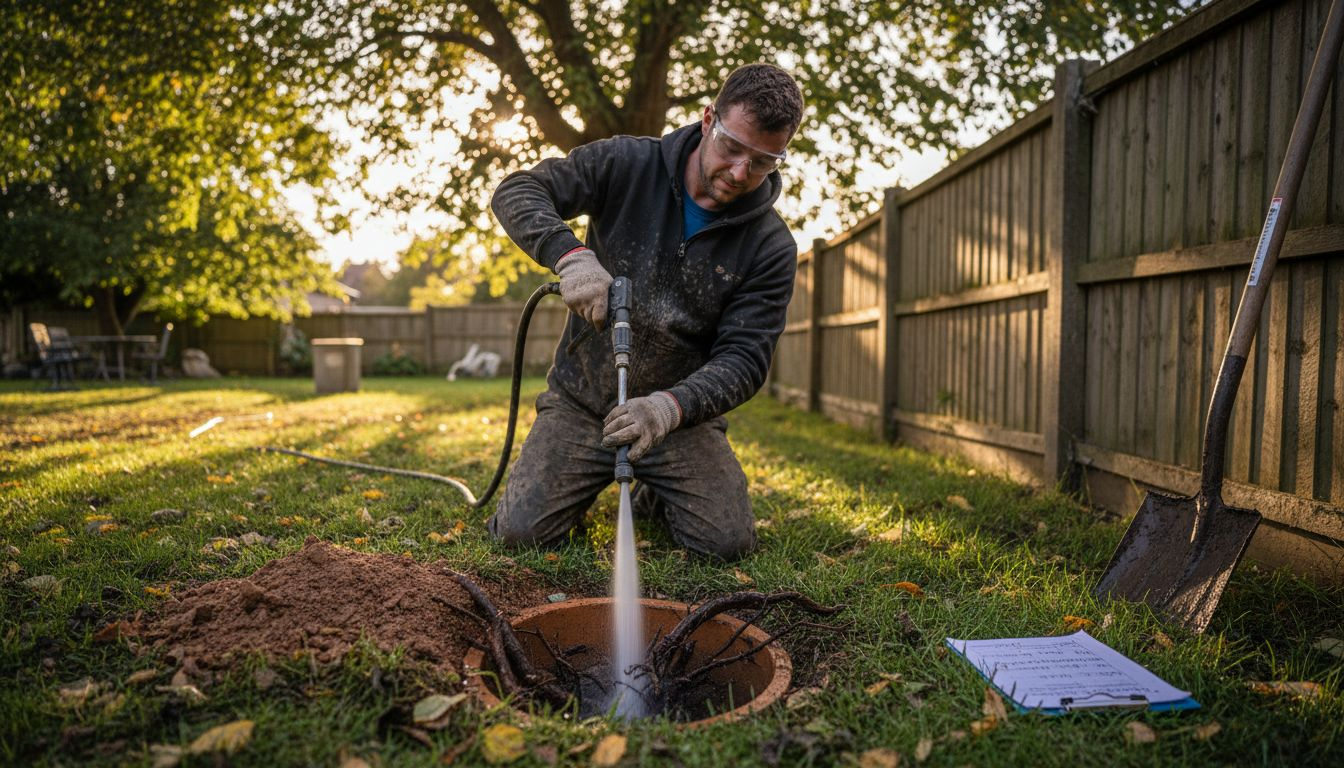
High-pressure water jetting uses specially designed nozzles fed from surface pumping units to deliver water at tremendous velocity through pipelines. The force impacts the inner pipe walls, dislodging debris, lifting sediment, and flushing everything out of the system.
The water doesn’t just push blockages—it cuts through them. Root intrusions that would require excavation elsewhere can often be tackled by the sheer force of the jet. It’s like having a precision tool rather than blunt force.
Key Techniques Used in Drain Jetting
Professionals select the correct nozzle type after inspecting your pipes to match the specific blockage and pipe material. Different deposits require different approaches:
- Forward-facing jets push debris downstream to clear the main line
- Rear-facing jets propel the nozzle forward whilst breaking up blockages behind it
- Rotating jets work in circular patterns to clean the entire pipe diameter
- Root-cutting jets slice through invasive tree roots with precision
For tougher jobs, advanced robotic systems can navigate challenging angles and damaged sections. After root cutting, additional jetting clears the debris left behind.
Why Nozzle Selection Matters
Choosing the wrong nozzle wastes time and money. Your drain engineer must understand whether your Poole property has gravity-fed sewers or pressure-based systems—they operate differently and require different techniques.
Older Poole properties often have clay or cast iron pipes that need careful pressure settings. Too aggressive, and you risk damaging the pipe walls. Too gentle, and stubborn deposits remain.
Selecting the correct nozzle type after thorough inspection is vital to effectively clean different types of pipes and deposits.
Environmental Considerations
Modern drain jetting equipment increasingly uses recycling jetters that recover, filter, and reuse jetting water. This reduces clean water consumption and minimises waste discharge—good news for Poole’s environment and your conscience.
Professional operators complete accredited training programs covering safety, technique, and environmental best practice. This training ensures your drains are cleared properly without unnecessary environmental impact.
The Complete Jetting Process
Here’s what happens when professionals jet your drains:
- CCTV inspection identifies the blockage location, type, and pipe condition
- Pressure and nozzle selection based on inspection findings
- The jetting unit positions at the drain access point
- Water is delivered at high pressure to clear the blockage
- A second inspection confirms the pipe is fully cleared
- Equipment is decontaminated and removed
The entire process typically takes 1-3 hours depending on blockage severity and pipe length.
Pro tip: Request CCTV before and after jetting so you have visual proof that your blockage is completely gone and your pipes are restored.
How High-Pressure Water Jetting Works
High-pressure water jetting is straightforward in concept but remarkably effective in practice. Water is forced through a tiny opening at extreme pressure, creating a jet that blasts away blockages and debris from your pipes.
The process sounds simple, but the engineering behind it is precise. A surface pump unit generates the pressure whilst water flows through specially designed nozzles positioned inside your pipes. The result is a cleaning force powerful enough to tackle Poole’s most stubborn drainage problems.
The Pressure Levels Explained
Water jetting uses controlled high pressures ranging from low to ultra-high depending on the blockage type. The Water Jetting Association defines four distinct categories:
- Low pressure (up to 207 bar) for gentle cleaning of delicate pipes
- High pressure (208 to 680 bar) for standard blockages and sediment
- High pressure water jetting (681 to 1,700 bar) for tough deposits and root intrusion
- Ultra-high pressure (above 1,700 bar) for cutting through hard encrustations
Choosing the right pressure prevents damage while maximising cleaning effectiveness. Too little pressure leaves blockages behind. Too much risks damaging your pipe walls.
How the Jet Impacts Your Pipes
The jetting head passes through your pipes, angled to strike the inner pipe surfaces at force. Water flows forward, dislodging sediments and picking up deposits as it travels through the line.
Jets can exert pressures exceeding 3,000 psi—enough to cut through tree roots and hard encrustations that would otherwise require excavation. The impact force literally breaks down what’s blocking your drain.
The debris doesn’t just get pushed around; it’s flushed out of the system entirely. This is why drain jetting works so well for older Poole properties with decades of accumulated deposits.
Jets can exert pressures exceeding 3,000 psi, sufficient to cut roots and hard encrustations.
The Complete System at Work
Here’s what happens during the jetting process:
- The jetting head enters your pipe through an access point
- The surface pump activates, pressurising water to the selected level
- Water exits through angled nozzles, striking pipe walls
- Blockages break apart and debris flows downstream
- The operator monitors progress and adjusts pressure as needed
- A second inspection confirms complete clearance
Why Nozzle Selection Is Critical
Not all nozzles work the same way. The role of drain jetting involves selecting the correct nozzle type based on your specific blockage and pipe condition.
Forward-facing jets push debris downstream. Rear-facing jets propel themselves forward whilst cleaning behind. Rotating jets clean the entire pipe diameter. Each serves a purpose.
Your drain engineer selects the nozzle after inspecting your pipes with CCTV. They understand whether your Poole property has gravity-fed sewers or pressure systems, and they adjust their approach accordingly.
Pro tip: Ask your drain engineer which pressure level and nozzle type they’re using before they start work—understanding these details helps you appreciate why drain jetting solved your problem.
When Drain Jetting Is Essential in Poole
Poole’s unique geography and drainage challenges make drain jetting not just useful—it’s often necessary. Understanding when and why this technique becomes essential helps you protect your property and avoid costly damage.
Your Poole home faces specific drainage pressures that properties in other areas rarely encounter. Coastal location, tidal influences, and aged infrastructure all create conditions where drain jetting becomes the most effective solution.
Poole’s Flood Risk and Drainage Demands
Flood risk from overwhelmed drainage systems is a significant concern for Poole residents. The Environment Agency advises that managing drainage infrastructure proactively is critical to prevent sewer overflows and surface water flooding.
Drain jetting helps prevent these overflows by keeping your pipes clear. When blockages accumulate, the system can’t handle heavy rainfall or tidal surge, leading to backing up into your home or garden.
Proper drainage management is critical in Poole to mitigate risks of flooding that can cause property damage and environmental harm.
When You Should Call for Drain Jetting
Certain warning signs mean drain jetting should be your first port of call:
- Recurring blockages in the same pipe section
- Slow drainage that plunging won’t fix
- Foul smells coming from drains or outdoor gullies
- Soggy patches in your garden indicating underground leaks
- Multiple drains backing up simultaneously
- Gurgling sounds from pipes when other taps run
- Visible tree roots emerging in your garden near the drain line
These symptoms suggest sediment buildup, root intrusion, or grease accumulation that only high-pressure cleaning can effectively remove.
Root Intrusion in Poole’s Older Properties
Many Poole homes were built in the Victorian and Edwardian era with clay pipes that crack over time. Tree roots seek moisture and penetrate these cracks, growing inside your pipes.
Drain jetting cuts through root intrusions with precision. The high-pressure jet slices the roots away without requiring excavation of your garden or driveway. One treatment often prevents regrowth for several years.
Sediment and Mineral Buildup
Poole’s water supply and coastal influences deposit minerals and sediment inside pipes over decades. This buildup narrows the pipe diameter, reducing flow capacity.
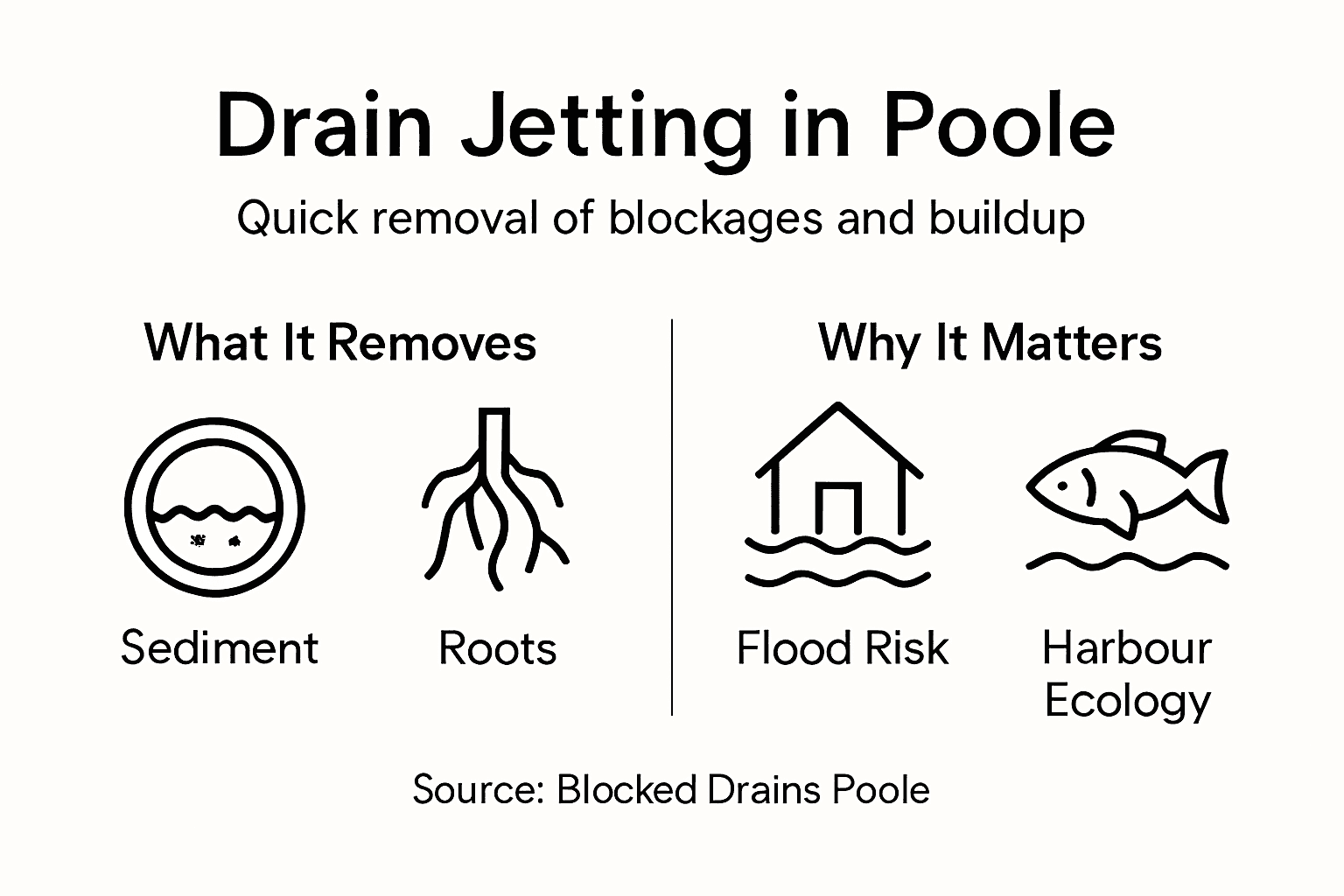
Traditional rodding pushes blockages rather than removing them. Drain jetting actually dislodges and flushes away accumulated deposits, restoring your pipes to near-original capacity.
Harbour Ecology and Your Responsibility
Poole Harbour’s sediment dynamics make drainage maintenance crucial for environmental protection. Regular drain jetting prevents blockages that could lead to sewer overflows into the harbour.
Keeping your drains clear protects both your property and Poole’s unique aquatic ecosystem. It’s a responsibility every homeowner shares in this distinctive location.
When Professional Help Becomes Mandatory
If your drains have failed CCTV inspection or you’ve experienced recurring blockages despite repeated unblocking, drain jetting is no longer optional—it’s essential.
Properties with known root problems, extensive sediment buildup, or damaged pipes benefit from regular preventative jetting rather than waiting for emergencies.
Pro tip: Request a CCTV survey before booking drain jetting so you understand exactly what needs clearing—this prevents unnecessary treatments and helps your engineer select the optimal pressure and nozzle type.
Safety, Risks, and Pipe Compatibility Issues
Drain jetting is powerful and effective, but it carries real risks if not handled correctly. Understanding these dangers and how professionals mitigate them helps you appreciate why hiring qualified experts matters.
High-pressure water isn’t something to improvise with. Professional operators follow strict safety protocols because the consequences of getting it wrong can be severe for both your pipes and the person operating the equipment.
The Danger of High-Pressure Water
High-pressure water jets can cause severe injuries including fluid injection wounds that penetrate skin and tissue. These aren’t surface cuts—they’re serious medical emergencies requiring immediate hospital treatment.
Operators require thorough training and proper personal protective equipment to work safely around pressurised water systems. This is why DIY drain jetting with hired equipment is genuinely dangerous.
The Water Jetting Association collaborates with the Health and Safety Executive to ensure strict codes of practice protect workers and the public. Professional operators follow these guidelines religiously.
High-pressure water jets can cause severe injuries including fluid injection wounds requiring immediate hospital treatment.
Pipe Material Compatibility
Not every pipe can tolerate the same jetting pressure. Correct pressure and equipment inspection are essential to avoid damage to pipes and ensure operator safety.
Compatibility concerns include:
- Clay pipes (common in Victorian Poole homes) are fragile and prone to cracking under high pressure
- Cast iron pipes can withstand high pressure but may have corroded sections that collapse easily
- Plastic pipes used in modern installations need moderate pressure to avoid damage
- Ceramic pipes require precise pressure settings to avoid cracking
- Asbestos cement pipes (found in some older Poole properties) need careful handling
Wrong pressure on the wrong pipe type causes permanent damage requiring costly excavation and replacement.
For quick reference, here is a summary of pipe materials regularly found in Poole and their compatibility with drain jetting:
| Pipe Material | Age/Occurrence | Jetting Pressure Tolerance | Common Risks |
|---|---|---|---|
| Clay | Victorian era | Low – cracks easily | Fracture and collapse |
| Cast Iron | Older properties | Moderate–High if corrosion-free | Collapse in corroded sections |
| Plastic | Modern homes | Moderate | Denting/deformation |
| Ceramic | Some older homes | Precise, low–moderate | Cracking |
| Asbestos Cement | Mid-20th century | Low, requires specialist care | Harmful fibre release |
Pre-Jetting Inspection Is Non-Negotiable
Professionals never jet without first inspecting your pipes using CCTV. This inspection identifies pipe material, condition, location of blockages, and any existing damage.
Assessing pipe condition before jetting is crucial to prevent damage and ensure compatibility with the jetting method. A cracked clay pipe section will collapse under high pressure. A corroded iron pipe may have thin walls where the blockage actually is.
Your engineer uses this information to select the correct pressure level and nozzle type for your specific situation.
Pressure Selection and Equipment Standards
The Water Jetting Association’s Red Code outlines current safety standards and pressure guidelines for drain jetting. Professionals know which pressure range suits which blockage type.
Equipment must be regularly inspected and certified safe for operation. Dodgy hire companies or untrained operators might skip these checks—another reason using professionals protects you.
Environmental and Overflow Risks
Jetting the wrong section or using too much pressure can rupture pipes, causing sewage to leak into your soil and groundwater. This creates environmental contamination and costly remediation.
Professional operators understand your drainage system’s layout and avoid creating new problems whilst solving existing ones.
Pro tip: Always verify that your drain engineer is Water Jetting Association trained and insured—this certification proves they understand safety protocols and won’t damage your pipes.
Drain Jetting Costs Versus Other Methods
Drain jetting costs more upfront than some alternatives, but it delivers far better value over time. Understanding the real cost of each method helps you make a decision based on long-term expenses, not just the initial invoice.
Cheap solutions often create expensive problems. A bargain unblocking today can lead to repeated call-outs, pipe damage, and emergency repairs that drain your bank account far more than professional jetting would have.
Mechanical Rodding Versus Drain Jetting
Traditional mechanical rodding costs less initially—sometimes £80 to £150 for a basic clear. But here’s the catch: it pushes blockages rather than removing them.
Rods can puncture pipes, especially fragile clay pipes common in Poole’s older homes. A ruptured pipe costs £1,500 to £3,000 to excavate and repair. You’ve saved £100 upfront only to spend thousands later.
High-pressure water jetting is often favoured as cost-effective due to its thorough cleaning capability, reducing the frequency of visits and pipe damage relative to other methods. Professional jetting typically costs £250 to £500 depending on blockage severity and pipe length.
To clarify the differences and effectiveness of common drain cleaning methods, see the table below:
| Method | Upfront Cost | Typical Effectiveness | Risk of Pipe Damage |
|---|---|---|---|
| Mechanical Rodding | £80–£150 | Partial – pushes blockage | High on older/clay pipes |
| Chemical Treatment | £10–£30 per use | Limited – dissolves soft debris | Can corrode pipe interiors |
| Drain Jetting | £250–£500 | Thorough – removes all types | Low (if professionally done) |
Chemical Treatments: The Hidden Problem
Chemical drain cleaners seem cheap at £10 to £30 per bottle. But they don’t actually remove blockages—they dissolve only soft debris whilst leaving roots, fat accumulation, and mineral deposits intact.
Chemical treatments also damage pipe interiors and harm the environment. You’ll repeat applications every few weeks, spending £50 to £100 monthly on temporary fixes.
Comparing True Long-Term Costs
Consider what happens over two years with each method:
- Mechanical rodding: Initial £150, followed by 3 repeat visits at £150 each = £600 total
- Chemical treatments: Monthly applications at £60 = £1,440 total
- Professional drain jetting: Single treatment at £400, with 2-year blockage prevention = £400 total
The maths are clear. Jetting costs less over time because it actually solves the problem.
Why Jetting Prevents Repeat Issues
Jetting removes accumulated sediment, mineral deposits, grease, and roots completely. Your pipes return to near-original condition with improved flow capacity.
Most Poole properties need jetting only once every 3 to 5 years after the initial treatment. Compare that to rodding or chemicals needed every few months.
Drain jetting’s ability to thoroughly clean pipes reduces the need for repeated interventions, potentially lowering long-term maintenance costs.
No Hidden Damage Costs
Unlike rodding, professional jetting doesn’t puncture or damage pipes. Your insurance won’t have exclusions for jetting damage because qualified professionals follow strict safety protocols.
Modern drain repair methods are sometimes necessary for severely damaged pipes, but jetting prevents most damage from occurring in the first place.
The Value of Professional Assessment
Professionals conduct CCTV surveys before and after jetting, giving you documentation of work completed. This protects your warranty and proves the blockage is genuinely gone.
Dodgy operators won’t inspect, meaning you never know if the job was done properly. One £400 professional jetting saves you thousands in preventable future repairs.
Pro tip: Request a written cost comparison before booking, including the estimated frequency of repeat treatments with each method—this shows the real financial advantage of professional jetting over time.
Expert Drain Jetting Solutions Tailored for Poole’s Unique Challenges
Dealing with persistent blockages, root intrusions, or sediment buildup in Poole’s historic drainage system can be a frustrating and costly experience. This article highlights the importance of selecting the right nozzle type and pressure levels for effective drain jetting to safely clear your pipes without causing damage. If you recognise recurring slow drainage, foul odours, or soggy garden patches, expert intervention is essential to prevent costly repairs and protect the local environment.
At Blocked Drains Poole, we specialise in comprehensive drainage services including professional drain jetting, CCTV inspections, and modern repair methods suited to Poole’s aged infrastructure. Our fully trained engineers adhere to strict safety protocols and use the latest equipment to ensure your drains are thoroughly cleared while preserving the integrity of your pipes. With transparent pricing, no call-out fees, and 24/7 emergency response, we offer peace of mind when it matters most.
Ready to restore your drains with confidence and avoid repeating costly treatments?

Book a professional drain jetting service today to safeguard your property and the Poole environment. Visit Blocked Drains Poole for a free quote or to request a rapid emergency response. Don’t wait until a minor blockage turns into a major problem—take action now.
Frequently Asked Questions
What is drain jetting?
Drain jetting is a powerful cleaning method that uses high-pressure water to blast through blockages and restore pipes. This technique effectively removes debris, sediments, and roots from your drainage system.
How does high-pressure water jetting work?
High-pressure water jetting employs specially designed nozzles that deliver water at high velocity through pipelines. The force not only pushes blockages out but also cuts through them, making it highly effective for tough obstructions like root intrusions and sediment buildup.
Why is nozzle selection important in drain jetting?
Choosing the correct nozzle type is crucial as different blockages and pipe materials require specific approaches. Using the wrong nozzle can waste time, increase costs, and potentially damage pipes. A thorough inspection helps ensure the right nozzle is selected to match the situation.
When should I consider drain jetting for my property?
You should consider drain jetting if you experience recurring blockages, slow drainage that plunging won’t fix, foul smells from drains, or multiple drains backing up simultaneously. These symptoms indicate sediment buildup, root intrusion, or grease accumulation that high-pressure cleaning can effectively remove.