Blocked drains in older Poole homes often return even after repeated fixes, leaving property owners frustrated and searching for lasting solutions. When stubborn pipe obstructions resist everyday treatments, understanding how high-pressure drain cleaning works is crucial for reliable results. Discover how powerful water jets and advanced cleaning methods deliver a comprehensive approach to restoring drainage performance, providing safer and more effective alternatives to traditional chemical treatments.
Table of Contents
- Defining High-Pressure Drain Cleaning Methods
- How Jetting Clears Stubborn Blockages
- Types of Drains and Blockages Treated
- Safety, Regulations, and Environmental Concerns
- Costs, Risks, and Comparing Alternatives
- Common Mistakes and Preventative Maintenance
Key Takeaways
| Point | Details |
|---|---|
| High-Pressure Drain Cleaning Benefits | This method is environmentally friendly, avoids chemical residues, and effectively removes diverse types of blockages without damaging pipes. |
| Adaptability of Pressure Settings | Technicians can adjust water pressure between 1,500 to 5,000 PSI to effectively target specific blockage types, ensuring comprehensive cleaning. |
| Importance of Professional Services | Engaging professionals for drain assessments and cleaning ensures optimal choice of techniques and adherence to safety and environmental standards. |
| Preventative Maintenance Strategy | Routine inspections and maintenance are crucial in identifying potential issues early, reducing costly repairs and maintaining system integrity. |
Defining High-Pressure Drain Cleaning Methods
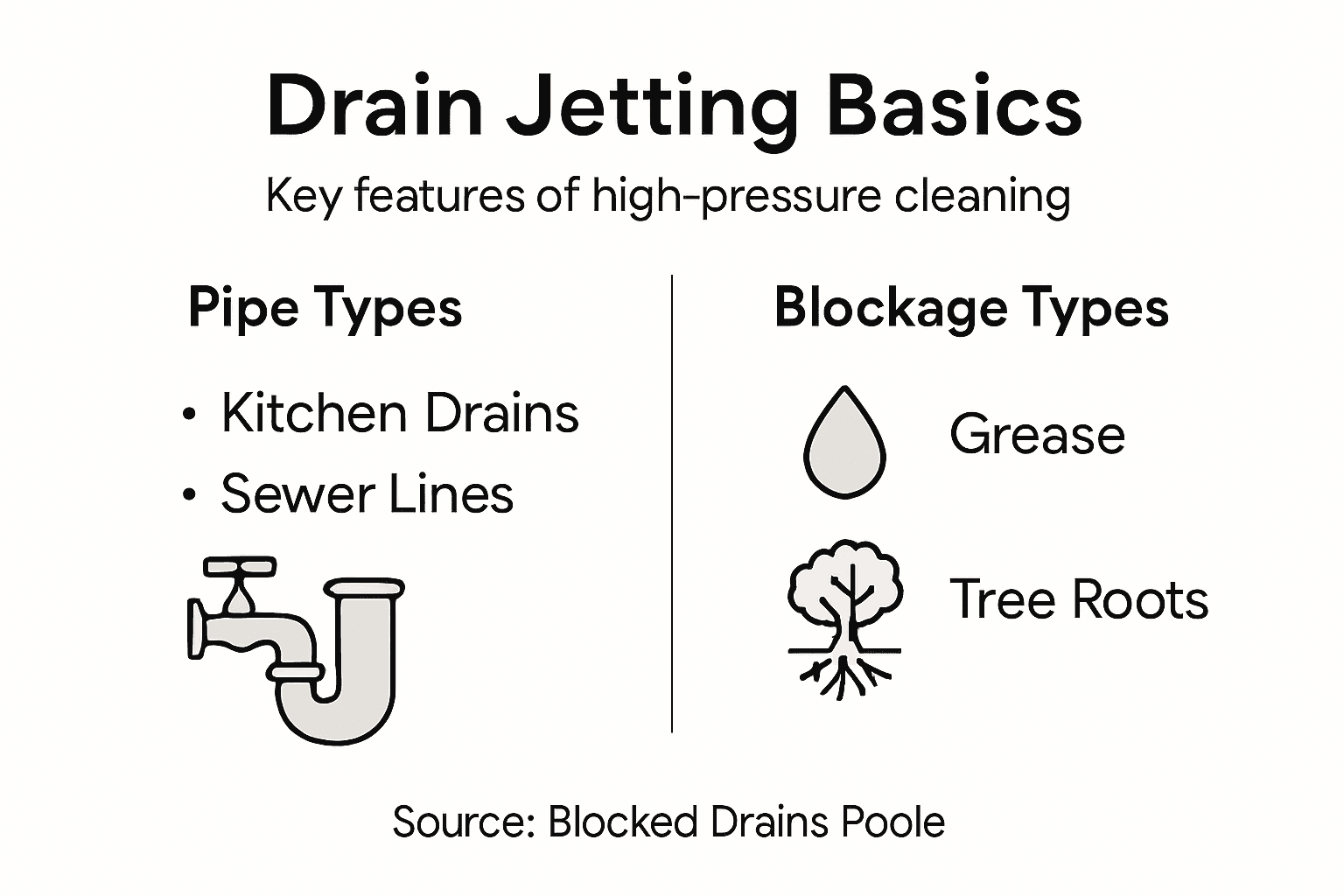
High-pressure drain cleaning represents a sophisticated mechanical approach to resolving complex pipe blockages in residential and commercial drainage systems. By utilising powerful water jets, this method mechanically clears blocked drainage infrastructure without relying on harsh chemical interventions.
The core principle of high-pressure drain cleaning involves directing concentrated water streams into pipe networks at significant pressures, effectively dislodging accumulated debris, grease, and organic materials. Unlike traditional chemical treatments, this technique provides several distinctive advantages:
- Environmentally friendly approach
- No chemical residue left in pipes
- Capable of reaching difficult pipe sections
- Removes multiple types of blockage materials
- Minimises potential pipe damage
Understanding the technical mechanics reveals how high-pressure water jets operate with remarkable precision. Water velocity becomes the primary cleaning mechanism, generating sufficient force to break apart stubborn blockages while simultaneously cleaning pipe interior surfaces. Specialised nozzles create targeted spray patterns that can navigate complex drainage geometries, ensuring comprehensive cleaning across different pipe configurations.
Pressure ranges typically vary between 1,500 to 5,000 pounds per square inch (PSI), allowing technicians to adjust intensity based on specific blockage characteristics. This adaptability makes high-pressure drain cleaning an incredibly versatile solution for addressing diverse drainage challenges.
Pro tip: Always consult professional drainage specialists who can assess your specific pipe infrastructure and recommend the most appropriate high-pressure cleaning approach.
How Jetting Clears Stubborn Blockages
High-pressure water jetting offers an incredibly sophisticated approach to tackling complex drainage blockages in Poole’s residential and commercial properties. Cavitation bubbles generate powerful micro-jets that effectively puncture and dislodge even the most challenging pipe obstructions.
The science behind jetting involves several remarkable mechanical principles that transform water into a precision cleaning tool. When high-velocity water streams are directed into drainage networks, they create extraordinary cleaning dynamics:
- Generate intense localised pressure
- Break apart compacted debris
- Navigate complex pipe geometries
- Remove accumulated organic materials
- Minimise potential pipe surface damage
Shear forces play a critical role in this cleaning mechanism. As water jets collapse near pipe boundaries, they produce transient liquid streams that generate significant mechanical stress. These forces are particularly effective in narrow drainage sections where traditional cleaning methods struggle to reach.
Pressure modulation becomes key in addressing different blockage types. Technicians can adjust water jet intensity between 1,500 to 5,000 pounds per square inch, allowing precise targeting of specific obstruction characteristics. This adaptability ensures that whether confronting grease accumulations, mineral deposits, or organic build-ups, high-pressure jetting provides a comprehensive solution.
Pro tip: Prioritise professional drain jetting services that can assess your specific pipe infrastructure and select the most appropriate pressure settings for optimal cleaning results.
Types of Drains and Blockages Treated
Drain cleaning technologies must address the diverse drainage systems found throughout Poole’s residential and commercial properties. Plumbing drains encompass multiple complex configurations) that accumulate unique blockage characteristics requiring specialised treatment approaches.
The primary drain types encountered in Poole’s infrastructure include:
- Foul water drains: Handling waste from toilets, sinks, and appliances
- Surface water drains: Managing rainwater and external runoff
- Combined sewer systems: Integrating multiple drainage networks
- Brownfield site drainage: Managing runoff from developed urban areas
- Greenfield drainage: Handling natural water absorption and movement
Blockage compositions vary significantly across these drainage systems. Common obstructions include organic materials like hair and grease, sedimentary build-ups, mineral deposits, and structural debris. These accumulations can create complex impediments that require precision high-pressure cleaning techniques to effectively remove.
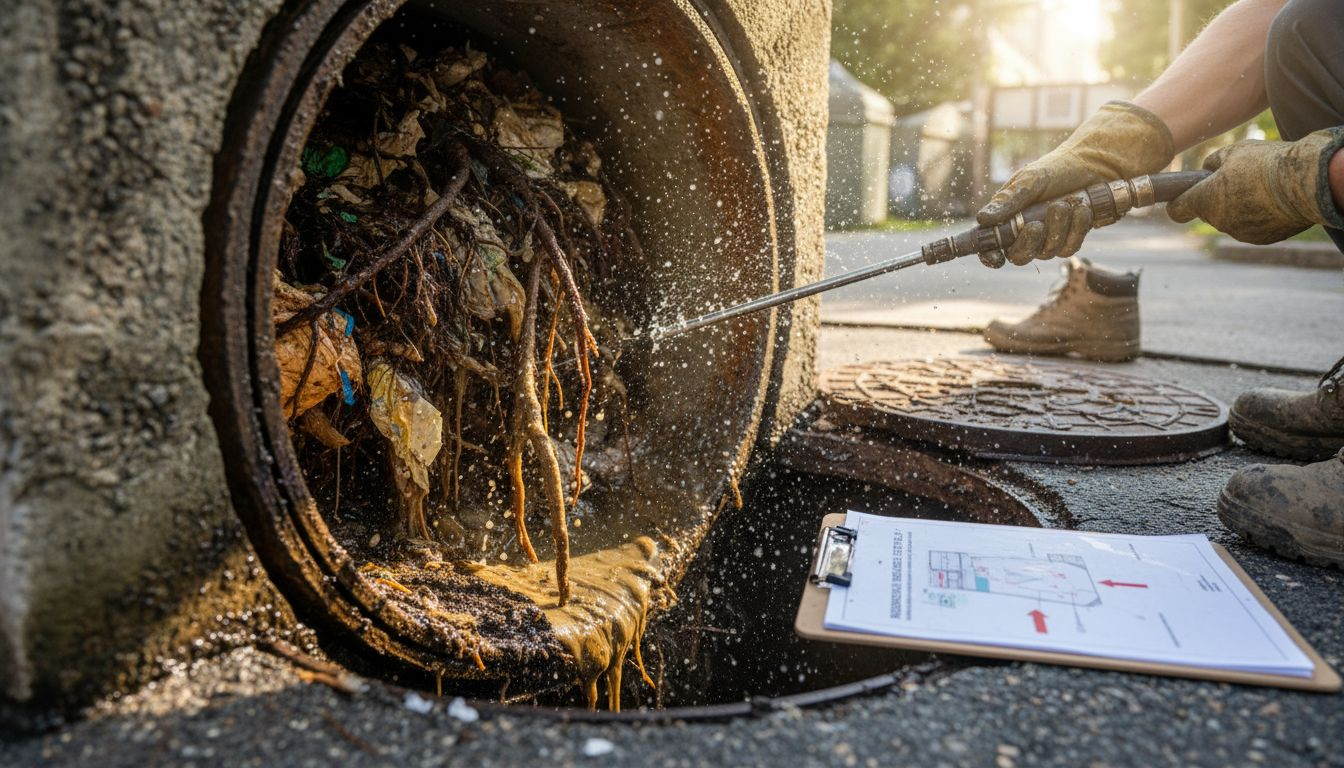
Technicians must understand the nuanced differences between drainage types to select appropriate cleaning methodologies. Residential properties often feature different drainage challenges compared to commercial or industrial sites, necessitating adaptable approach strategies that can navigate varying pipe geometries, material compositions, and obstruction densities.
For clarity, here is a reference overview of major drain types and typical blockage materials encountered:
| Drain Type | Typical Blockages | Cleaning Complexity |
|---|---|---|
| Foul Water Drains | Grease, hair, organic waste | Challenging; requires strong jetting |
| Surface Water Drains | Silt, leaves, debris | Moderate; often widespread |
| Combined Sewer | Mixed urban waste | High; many types combined |
| Greenfield Drainage | Sediments, plant matter | Lower; less urban material |
| Brownfield Drainage | Construction debris, chemicals | High; requires careful cleaning |
Pro tip: Request a comprehensive CCTV drainage survey to accurately identify your specific drain type and potential blockage characteristics before implementing cleaning solutions.
Safety, Regulations, and Environmental Concerns
High-pressure drain cleaning involves complex technical and regulatory considerations that extend far beyond mere pipe maintenance. Drainage regulations impose strict safety guidelines to protect both infrastructure integrity and environmental sustainability.
The critical safety parameters for high-pressure drain cleaning include:
- Adherence to Pressure Systems Safety Regulations
- Proper equipment maintenance protocols
- Personal protective equipment requirements
- Environmental contamination prevention
- Waste disposal compliance standards
Regulatory compliance demands meticulous attention to multiple legislative frameworks. Technicians must navigate complex requirements that govern pressure system operations, ensuring that high-pressure water jetting equipment meets stringent safety standards. This involves comprehensive documentation, regular equipment examinations, and robust maintenance protocols.
Environmental considerations remain paramount in modern drain cleaning practices. Professionals must minimise potential ecological impacts by selecting environmentally sensitive cleaning approaches, preventing chemical contamination, and ensuring responsible waste management. This holistic approach protects local water systems, prevents potential ground and surface water pollution, and maintains the delicate ecological balance of Poole’s urban and suburban environments.
Pro tip: Always request comprehensive documentation of safety certifications and environmental compliance from your drain cleaning service provider.
Costs, Risks, and Comparing Alternatives
Addressing blocked drains requires careful evaluation of sustainable drainage system approaches that balance cost-effectiveness, environmental impact, and long-term infrastructure preservation.
Comparing drain cleaning methodologies reveals distinct characteristics:
- Chemical Cleaning
- Lower upfront costs
- Higher environmental risks
- Potential pipe material damage
- High-Pressure Water Jetting
- Higher initial investment
- Minimal environmental contamination
- Comprehensive pipe cleaning
- Mechanical Rodding
- Limited effectiveness
- Risk of incomplete blockage removal
- Lower precision
Cost considerations extend beyond immediate financial outlay. High-pressure drain cleaning represents an investment in preventative maintenance, potentially avoiding expensive future repairs. The initial higher expense translates into reduced long-term infrastructure deterioration and more comprehensive cleaning outcomes.
Risk management demands thorough assessment of potential hazards associated with different drain cleaning techniques. Chemical methods introduce significant environmental and health risks, whereas high-pressure water jetting offers a more controlled, predictable approach with substantially reduced collateral damage potential. Technicians must carefully evaluate pipe material, blockage composition, and system complexity when selecting appropriate intervention strategies.
Here’s a summary comparing common drain cleaning techniques across key professional criteria:
| Method | Precision of Cleaning | Environmental Impact | Suitability for Complex Blockages |
|---|---|---|---|
| Chemical Cleaning | Moderate; may miss residue | Risk of chemical pollution | Not recommended for severe cases |
| Water Jetting | Highly precise; cleans thoroughly | Minimal; uses only water | Excellent for stubborn blockages |
| Mechanical Rodding | Low; risk of missed debris | Neutral; no chemicals | Limited; may not reach deep obstructions |
Pro tip: Request a detailed cost-benefit analysis and risk assessment before committing to any drain cleaning method to ensure optimal long-term infrastructure protection.
Common Mistakes and Preventative Maintenance
Professional drain maintenance requires understanding critical errors that can compromise drainage system integrity. Equipment maintenance protocols are fundamental to preventing costly and potentially dangerous failures in high-pressure cleaning systems.
Common mistakes homeowners and inexperienced technicians frequently make include:
- Ignoring early warning signs of blockages
- Using inappropriate chemical cleaning agents
- Attempting DIY repairs without proper knowledge
- Neglecting regular drainage system inspections
- Failing to understand pipe material limitations
- Overlooking potential structural vulnerabilities
Preventative maintenance demands a proactive approach to drainage system health. Regular inspections help identify potential issues before they escalate into major problems, reducing overall repair costs and minimising disruption to property infrastructure. Technicians recommend comprehensive assessments that examine pipe condition, potential structural weaknesses, and early indicators of potential blockage formations.
Technical expertise plays a crucial role in maintaining drainage systems effectively. Professional drain maintenance involves sophisticated diagnostic techniques, including CCTV surveys, pressure testing, and comprehensive system mapping. These advanced methodologies allow for precise identification of potential vulnerabilities, enabling targeted interventions that prevent extensive damage and costly emergency repairs.
Pro tip: Schedule annual professional drainage inspections to catch potential issues early and maintain your drainage system’s long-term performance and integrity.
Expert High-Pressure Drain Cleaning for Poole’s Toughest Blockages
Dealing with stubborn pipe blockages in Poole requires precision and expertise. If you are facing issues like grease accumulations, root ingress, or complex blockages within ageing drainage systems, understanding the power of high-pressure drain cleaning is just the start. The combination of professional jetting technology and local knowledge ensures your drains are cleared effectively without causing damage to delicate pipework.
Blocked Drains Poole specialises in delivering these advanced drain cleaning solutions tailored to Poole’s unique infrastructure. Our team uses adjustable pressure settings and specialised nozzles that reach even the most challenging sections of your drainage network. We also offer thorough inspection and CCTV surveys to identify precise blockage locations before treatment, helping prevent repeat problems and costly repairs.
Looking for fast, reliable, and eco-friendly drain jetting services?
Take action now to restore your drainage system’s health with Blocked Drains Poole. Get in touch today for transparent pricing and a professional assessment that suits your home or business needs. Our expert team is ready 24/7 to tackle any drainage emergency effectively and safely. Explore our comprehensive range of blocked drain solutions and experience the difference specialist care can make.
Frequently Asked Questions
What is high-pressure drain cleaning and how does it work?
High-pressure drain cleaning uses powerful water jets to clear blocked pipes by directing concentrated streams of water into the drainage system, dislodging debris, grease, and organic materials without chemicals.
What types of blockages can high-pressure water jetting effectively remove?
High-pressure water jetting can tackle a variety of obstructions, including grease, hair, sediment, mineral deposits, and structural debris, making it versatile for different types of drainage systems.
How do I know if my drains need high-pressure cleaning?
Signs that your drains may need high-pressure cleaning include slow drainage, foul odours, repeated clogs, and gurgling noises. Regular inspections can help identify potential issues before they become serious.
What are the advantages of high-pressure drain cleaning over chemical methods?
High-pressure drain cleaning is environmentally friendly, does not leave chemical residues, can effectively reach difficult pipe sections, and minimizes potential damage to the pipes compared to chemical cleaning methods.