
Persistent drainage issues can turn daily routines into frustrating challenges for homeowners and property managers in Poole. When blocked pipes or hidden leaks threaten your property, CCTV drain inspection offers a rapid, non-invasive method to spot the exact problem without unnecessary digging or disruption. This advanced diagnostic approach brings peace of mind by quickly identifying pipe defects, supporting targeted repairs, and keeping you in line with local rules before small concerns become expensive emergencies.
Table of Contents
- What CCTV Drain Inspection Involves
- Types of CCTV Drain Survey Equipment
- How CCTV Identifies Drainage Problems
- Benefits for Older Drains in Poole
- Regulations and Compliance for CCTV Inspections
Key Takeaways
| Point | Details |
|---|---|
| CCTV Drain Inspection | Utilises advanced camera technology for non-invasive assessment of drainage systems, allowing for precise diagnostics. |
| Types of Equipment | Various tools like push-rod cameras and robotic crawlers offer tailored solutions for different drainage conditions. |
| Problem Identification | CCTV inspections can reveal structural defects, blockages, and environmental intrusions, enabling proactive maintenance. |
| Regulatory Compliance | Inspections must adhere to strict legal and technical standards to ensure environmental protection and infrastructure integrity. |
What CCTV Drain Inspection Involves
CCTV drain inspection is a sophisticated diagnostic technique that allows professionals to visually examine drainage systems without invasive excavation. By utilising specialised cameras mounted on flexible rods, technicians can navigate through pipes and access hard-to-reach areas of your drainage network.
The process involves several key stages of investigation:
- Inserting a high-resolution camera into drainage pipes
- Transmitting real-time video footage to an external monitoring screen
- Recording comprehensive visual documentation of pipe conditions
- Identifying potential structural defects or blockages
Advanced camera systems can traverse complex pipe networks, providing precise diagnostic capabilities that traditional inspection methods cannot achieve. These robotic cameras are designed to manoeuvre through tight bends, assess joint alignments, and detect microscopic structural issues that might compromise drainage performance.
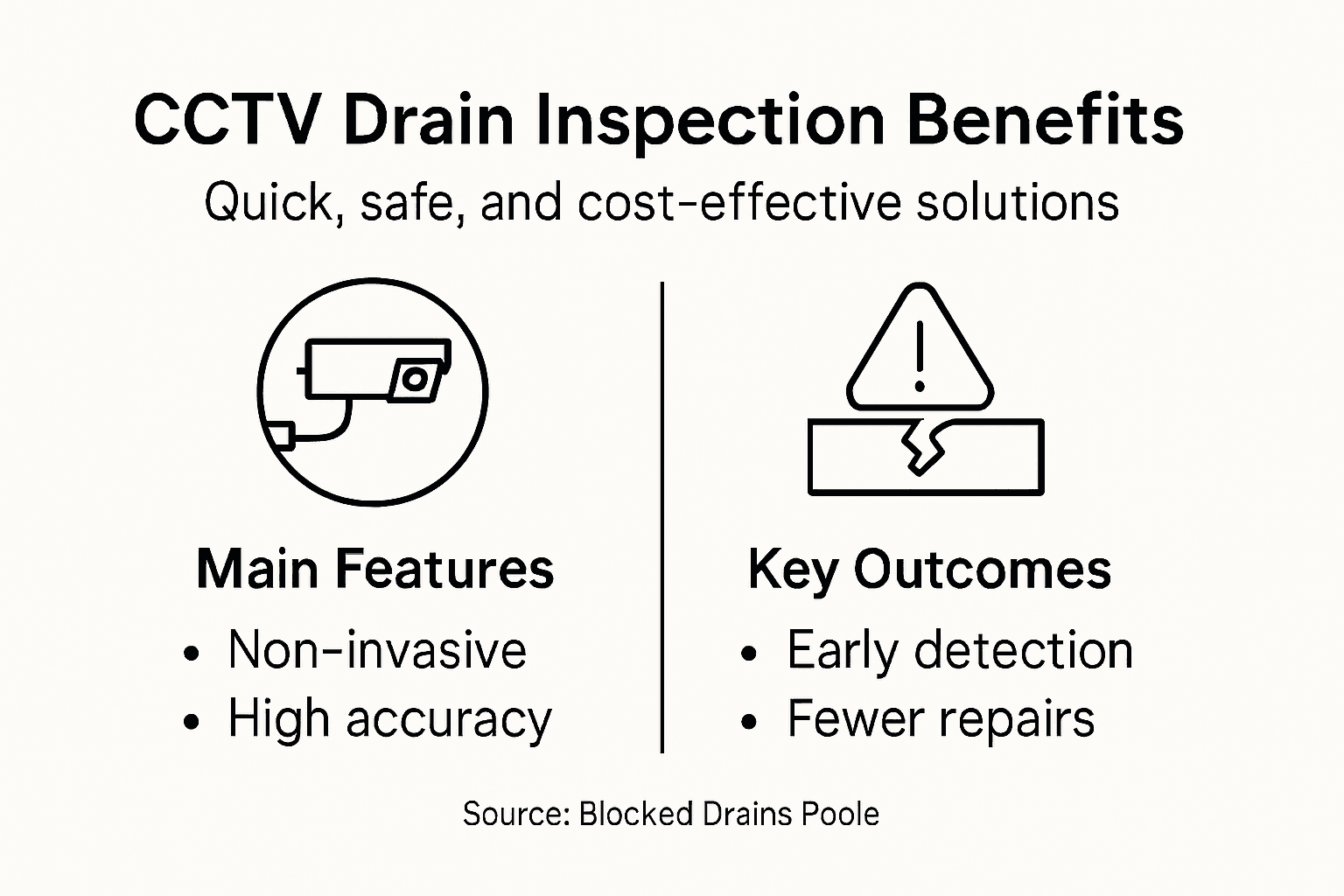
Modern CCTV drain inspections offer multiple benefits for property owners. The non-invasive assessment technique enables rapid diagnostics without disrupting landscaping or requiring extensive digging. By capturing high-definition imagery, technicians can pinpoint exact locations of potential problems such as root intrusion, pipe fractures, or sediment build-up.
Pro Tip: Always request a recorded copy of your CCTV drain inspection footage for future reference and potential insurance documentation.
Types of CCTV Drain Survey Equipment
Drain survey equipment has evolved significantly, offering technicians a range of sophisticated tools to investigate complex drainage networks. Waterproof camera technologies have transformed how professionals diagnose underground pipe conditions with unprecedented precision and detail.
The primary categories of CCTV drain survey equipment include:
- Push-rod Cameras
- Manually operated
- Suitable for shorter pipe runs
- Cost-effective solution
- Robotic Crawler Cameras
- Motorised units
- Ideal for complex, lengthy pipelines
- Advanced positional tracking
- Advanced Sonde Transmitters
- Underground location tracking
- Precise positioning technology
- Compatible with multiple camera systems
Each equipment type serves distinct purposes within drainage investigations. Motorised inspection systems offer varying capabilities depending on pipe complexity, diameter, and accessibility. Push-rod cameras work brilliantly in residential settings with straightforward pipe configurations, while robotic crawlers excel in navigating intricate municipal or industrial drainage networks.
Here is a comparison of key CCTV drain survey equipment and their ideal applications:
| Equipment Type | Optimal Use | Typical Pipe Environment |
|---|---|---|
| Push-rod Camera | Domestic short runs | Straight, narrow residential pipes |
| Robotic Crawler | Large or complex networks | Wide municipal or industrial drains |
| Sonde Transmitter | Underground positioning | Deep or hard-to-locate pipelines |
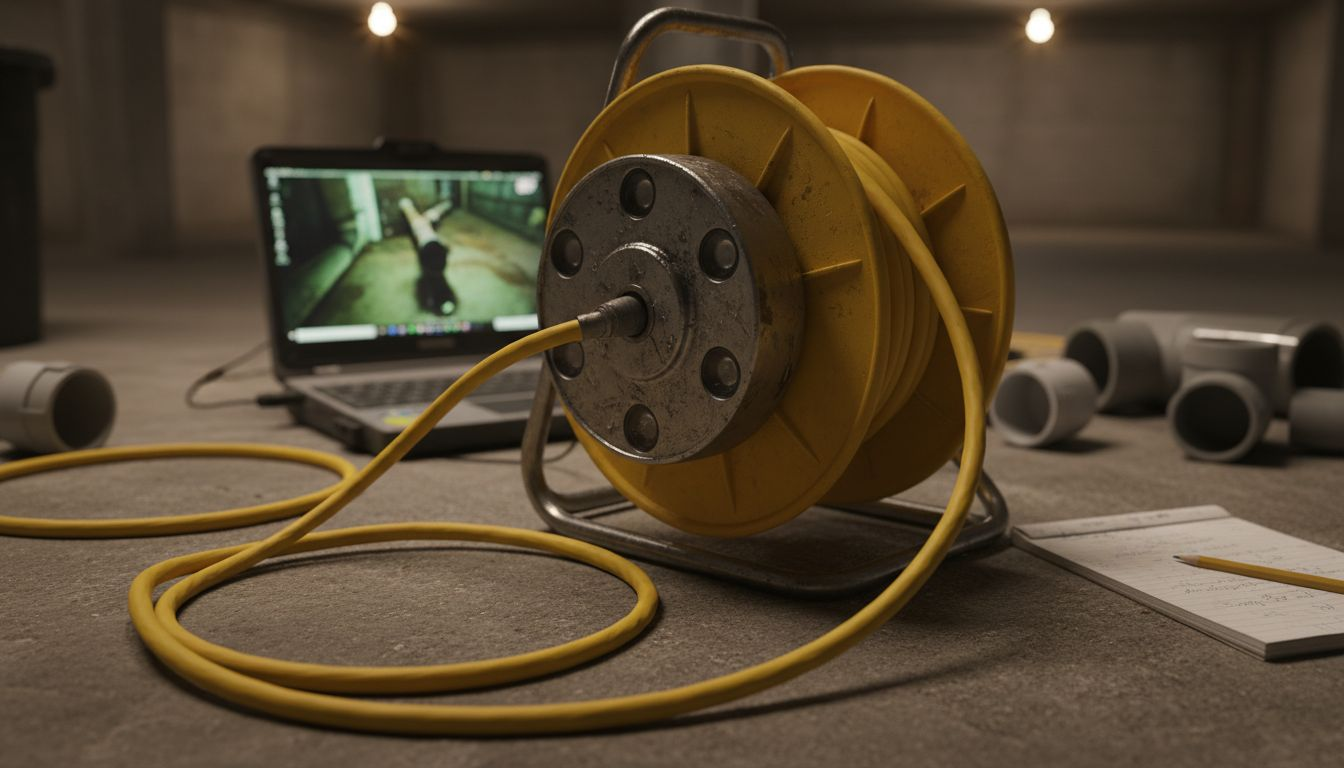
Professional-grade cameras typically feature high-resolution imaging, integrated lighting systems, and robust waterproof designs capable of withstanding challenging underground environments. These sophisticated devices can capture detailed footage in pipes ranging from 50mm to 600mm in diameter, providing comprehensive visual diagnostics.
Pro Tip: Ensure your chosen drainage professional uses calibrated, modern CCTV equipment appropriate for your specific pipe infrastructure.
How CCTV Identifies Drainage Problems
CCTV drain inspections revolutionise diagnostics by providing unprecedented visibility into underground drainage networks. Advanced camera technologies enable drainage professionals to detect a comprehensive range of potential issues that would remain invisible through traditional inspection methods.
The primary drainage problems identified during CCTV inspections include:
- Structural Defects
- Pipe cracks and fractures
- Joint misalignments
- Structural wall deterioration
- Blockage Identification
- Debris accumulation
- Grease and fat deposits
- Foreign object intrusion
- Environmental Intrusions
- Root system penetration
- Soil displacement
- Mineral build-up and corrosion
Waterproof camera systems provide live footage that allows technicians to assess the precise location, extent, and severity of drainage issues. This real-time visual evidence enables targeted interventions, preventing potential emergencies like flooding or significant structural damage.
The following table outlines major drainage faults and the risk they present to property owners:
| Fault Category | Potential Risk | Recommended Action |
|---|---|---|
| Structural Damage | Water leakage, collapse | Repair or pipe replacement |
| Severe Blockage | Overflow, flooding | Mechanical removal |
| Root Intrusion | Pipe deformation | Root cutting, pipe lining |
Advanced diagnostic techniques transform drainage maintenance from reactive problem-solving to proactive infrastructure management. By capturing high-resolution imagery of pipe interiors, professionals can develop comprehensive repair strategies that address underlying issues before they escalate into costly emergencies.
Pro Tip: Request a detailed video report alongside your CCTV drain inspection to understand the exact condition of your drainage system.
Benefits for Older Drains in Poole
Poole’s historic properties often feature aged drainage infrastructure that requires specialised maintenance approaches. Precise diagnostic techniques enable property owners to address potential vulnerabilities before they escalate into significant structural problems.
The key benefits for older drains in Poole include:
- Early Problem Detection
- Identifying hidden structural weaknesses
- Revealing microscopic pipe damage
- Tracking progressive deterioration
- Preventative Maintenance
- Reducing unexpected repair costs
- Extending drainage system lifespan
- Minimising potential infrastructure failures
- Compliance and Documentation
- Meeting local building regulations
- Creating comprehensive maintenance records
- Supporting property valuation processes
Drainage system surveys are particularly crucial in Poole, where many properties feature historic pipework potentially impacted by soil movement, tree root intrusion, and decades of gradual environmental stress. These comprehensive assessments provide property owners with actionable insights into their underground infrastructure’s precise condition.
Advanced diagnostic technologies transform drainage maintenance from reactive problem-solving to strategic infrastructure management. By capturing detailed imagery of pipe interiors, professionals can develop targeted repair strategies that address underlying issues efficiently and cost-effectively.
Pro Tip: Schedule annual CCTV drain inspections for properties over 30 years old to proactively manage potential drainage complications.
Regulations and Compliance for CCTV Inspections
CCTV drain inspections in the United Kingdom operate within a complex framework of legal and regulatory requirements designed to ensure environmental protection and infrastructure integrity. Statutory drainage regulations mandate comprehensive standards that professionals must follow when conducting underground pipe assessments.
Key regulatory compliance elements include:
- Legal Framework
- Water Industry Act 1991 guidelines
- Procurement Act 2023 requirements
- Environmental protection standards
- Technical Standards
- Certified equipment specifications
- Documented inspection protocols
- Quality assurance benchmarks
- Reporting Requirements
- Detailed survey documentation
- Defect identification protocols
- Comprehensive condition reporting
S104 drainage survey standards play a crucial role in ensuring drainage systems meet minimum design and operational criteria. These statutory requirements are particularly important for developers and contractors seeking water authority approval, as they provide a systematic approach to assessing underground infrastructure.
Compliance mechanisms serve multiple purposes beyond mere regulatory adherence. They protect property owners, ensure environmental standards are maintained, and provide a structured methodology for identifying and addressing potential drainage system vulnerabilities before they become critical issues.
Pro Tip: Always request a formal compliance certificate alongside your CCTV drain inspection to verify regulatory standards have been met.
Protect Your Poole Property with Expert CCTV Drain Inspections
If you are managing an older property or complex drainage system in Poole, understanding the full condition of your drains is critical. This article highlights how CCTV drain inspections reveal hidden structural defects, blockages, and root intrusions that could otherwise lead to costly emergency repairs. Identifying these issues early means you can prevent damage and maintain the integrity of your drainage with confidence.
Blocked Drains Poole specialises in advanced CCTV surveys tailored to the unique challenges of Poole’s historic and ageing pipe infrastructure. Our experienced technicians use modern, waterproof camera technology to provide precise diagnostics and clear video reports. We offer transparent, upfront pricing with no call-out charges and a rapid 24/7 response for urgent problems. Visit our main website to discover how our comprehensive blocked drain solutions can keep your drainage system in top condition.

Don’t wait until a minor drain issue becomes a major disruption. Book your professional CCTV drain inspection today and gain peace of mind with expert analysis and practical repair advice. Contact us now through Blocked Drains Poole to secure your property’s drainage health before damage worsens.
Frequently Asked Questions
What is a CCTV drain inspection?
CCTV drain inspection is a non-invasive technique that uses specialised cameras to visually examine drainage systems, helping to identify blockages, structural defects, and other issues within pipes.
How does CCTV technology identify drainage problems?
CCTV technology captures high-resolution video footage of the inside of drainage pipes, allowing professionals to detect issues such as cracks, blockages, and environmental intrusions in real time.
What are the benefits of CCTV drain inspections for older drains?
CCTV drain inspections provide early problem detection, enabling property owners to address hidden issues before they escalate. They also support preventative maintenance, ensuring that older drainage systems remain functional and compliant with local regulations.
Are there specific regulations for CCTV drain inspections?
Yes, CCTV drain inspections must comply with legal frameworks and technical standards set out by regulatory bodies, ensuring environmental protection and infrastructure integrity during assessments.